A well-fitting hoodie should sit cleanly at the shoulders, leave enough room through the chest to move without ballooning, finish around the hips, and keep the sleeves close to the wrist without swallowing the hands. That is the short answer. The more useful answer is to judge the result by a handful of practical checkpoints instead of one rigid rule.
The goal is not to make a hoodie look tailored. It is to keep the relaxed character while removing the two things that make it look careless: excess volume and poor proportions. Modern Men HQ’s approach is simple: use rules as a starting point, then test whether the result works on a real body, in a real schedule, or in the real situation the advice is meant to solve.
Quick answer
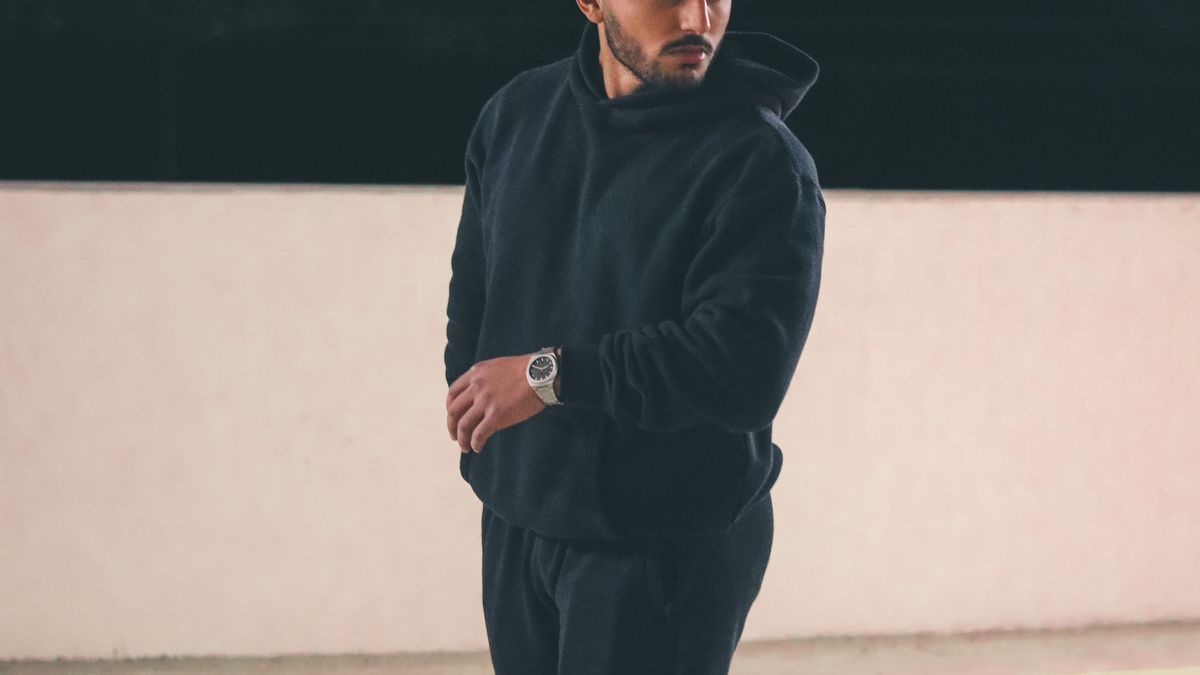
A well-fitting hoodie should sit cleanly at the shoulders, leave enough room through the chest to move without ballooning, finish around the hips, and keep the sleeves close to the wrist without swallowing the hands.
What should you actually look for?
Start with shoulders. The shoulder seam lands close to the natural shoulder point. A seam hanging far down the upper arm usually makes a standard hoodie look oversized. Do not overcorrect one detail in isolation. The point is to see whether it supports the overall function and proportion of the item or routine.
The next check is chest. You can pinch some fabric and move your arms freely without a large pouch of fabric at the sides. Straining across the chest or a deep tent of fabric both distort the silhouette. Treat that as a signal rather than an absolute law. Build, materials, body proportions, and the intended use can change where the ideal point sits.
Pay attention to body length. The hem generally reaches the upper to mid hip and covers the waistband. Very long hems shorten the legs; very short hems ride up when you raise your arms. If this one check looks wrong, compare it with the neighboring checks before changing size, technique, or routine. Several weak signals together are more useful than one imperfect landmark.
Use sleeves as a practical checkpoint. Cuffs sit at the wrist with a little natural stacking at most. Cuffs covering much of the hand usually mean the sleeve is too long unless the piece is intentionally oversized. This is also where real-world use matters. A result that looks acceptable while standing still may fail once you walk, sit, move, sweat, or wear the item for several hours.
Start with hood. The hood lies flat enough when down and does not pull the neckline backward. A heavy hood that constantly drags the front collar back can make the whole garment sit poorly. Do not overcorrect one detail in isolation. The point is to see whether it supports the overall function and proportion of the item or routine.
| Check | What good looks like | What should make you pause |
|---|---|---|
| Shoulders | The shoulder seam lands close to the natural shoulder point. | A seam hanging far down the upper arm usually makes a standard hoodie look oversized. |
| Chest | You can pinch some fabric and move your arms freely without a large pouch of fabric at the sides. | Straining across the chest or a deep tent of fabric both distort the silhouette. |
| Body length | The hem generally reaches the upper to mid hip and covers the waistband. | Very long hems shorten the legs; very short hems ride up when you raise your arms. |
| Sleeves | Cuffs sit at the wrist with a little natural stacking at most. | Cuffs covering much of the hand usually mean the sleeve is too long unless the piece is intentionally oversized. |
| Hood | The hood lies flat enough when down and does not pull the neckline backward. | A heavy hood that constantly drags the front collar back can make the whole garment sit poorly. |
A practical way to get it right
You do not need a complicated system. Work from the highest-leverage check to the smallest detail, then test the result under normal conditions. That keeps you from fixing a minor detail while missing the bigger problem.
- Start with the shoulder seam
Shoulder position is the quickest way to tell whether you are looking at your size or at an intentionally oversized cut. Give this step enough attention to tell you something useful, then move on. The goal is a repeatable decision process, not perfectionism. - Check the hem with your arms down and raised
A useful hoodie should cover the waistband at rest without climbing halfway up the torso during normal movement. Give this step enough attention to tell you something useful, then move on. The goal is a repeatable decision process, not perfectionism. - Look at the side view
Side volume reveals whether the chest and stomach area is clean or whether fabric is pooling away from the body. Give this step enough attention to tell you something useful, then move on. The goal is a repeatable decision process, not perfectionism. - Test it over your usual base layer
A hoodie that fits over a thin T-shirt but becomes restrictive over your normal layer is not actually versatile for you. Give this step enough attention to tell you something useful, then move on. The goal is a repeatable decision process, not perfectionism. - Judge the whole silhouette, not the size tag
Different brands use different blocks, so visual balance matters more than S, M, or L. Give this step enough attention to tell you something useful, then move on. The goal is a repeatable decision process, not perfectionism.
Common mistakes that make the result worse
Most problems come from overcorrecting. Men often learn one rule, push it too far, then create a new problem somewhere else. These are the mistakes worth watching because they change the outcome rather than merely breaking a style preference.
Sizing down until the hoodie clings
That removes the relaxed function and often creates pulling at the pocket and chest. A better approach is to return to the main purpose of the advice and adjust only as much as that purpose requires.
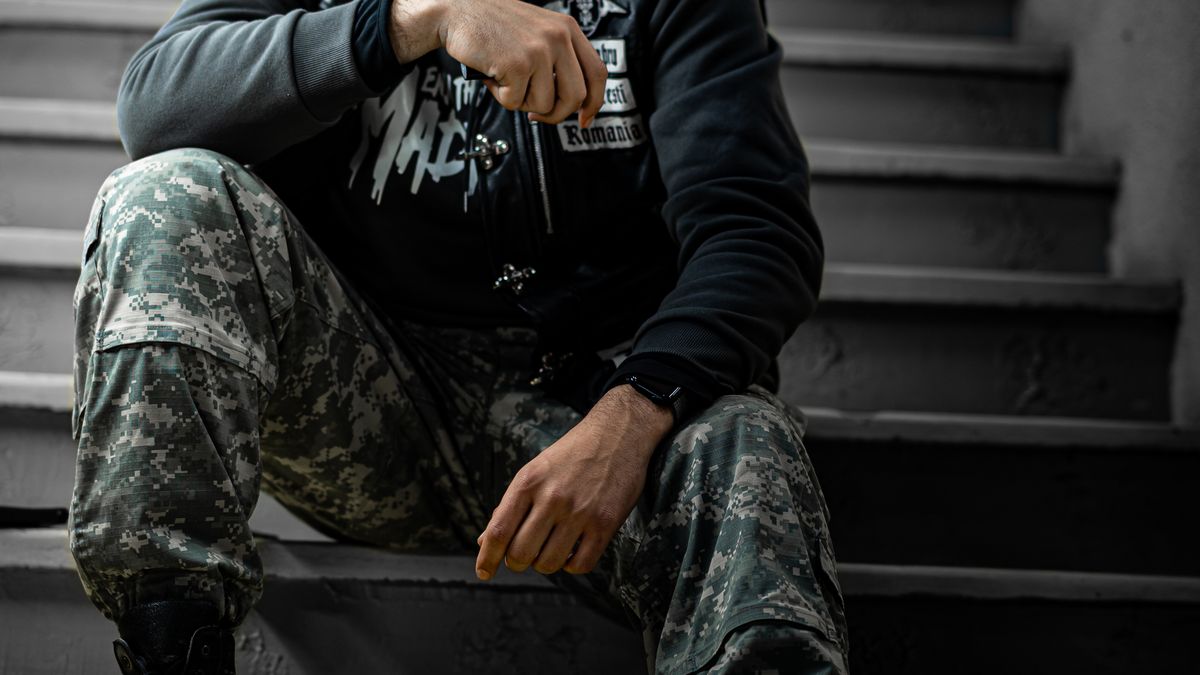
Assuming every dropped shoulder is too big
Dropped shoulders can be deliberate. The rest of the proportions tell you whether the design works. A better approach is to return to the main purpose of the advice and adjust only as much as that purpose requires.
Ignoring the hood weight
A heavy hood can change how the neckline and upper back sit. A better approach is to return to the main purpose of the advice and adjust only as much as that purpose requires.
Choosing length by torso alone
The hem has to work with your leg proportions and the rise of the trousers you actually wear. A better approach is to return to the main purpose of the advice and adjust only as much as that purpose requires.

How should you adjust for different situations?
A useful rule should survive context. That does not mean the answer is identical in every situation; it means the reason for changing it is clear. Use these adjustments instead of treating the default as a commandment.
| Situation | Adjustment |
|---|---|
| Under a jacket | Keep body and sleeve volume controlled so the layers do not bunch. Keep the core principle intact and change only what the context genuinely demands. |
| With straight jeans or chinos | A regular fit hoodie with a clean hip-length hem is usually the easiest balance. Keep the core principle intact and change only what the context genuinely demands. |
| With wide trousers | A slightly roomier or cropped hoodie can work because the lower half already carries more visual weight. Keep the core principle intact and change only what the context genuinely demands. |
| For training | Prioritize movement and hem stability over a sharp silhouette. Keep the core principle intact and change only what the context genuinely demands. |
The decision rule
The goal is not to make a hoodie look tailored. It is to keep the relaxed character while removing the two things that make it look careless: excess volume and poor proportions.
What should you do next?
Use the checklist once, make the smallest change that fixes the real problem, and then stop tinkering long enough to evaluate the result. Good decisions get easier when you compare against a stable baseline instead of changing three variables at once.
If the issue keeps returning, treat that as information. The fit, product, routine, schedule, or technique may be mismatched at a more basic level. Revisit the first two checkpoints before buying more, adding more steps, or blaming yourself for not forcing the current approach to work.
For the rest of the outfit, see our T-shirt fit guide, sweater fit guide, and smart casual guide.

Frequently Asked Questions
Should a men’s hoodie be loose or fitted?
Usually relaxed rather than tight. You want movement room without enough spare fabric to make the body look shapeless.
Where should a hoodie end on a man?
For a standard fit, around the upper to mid hip is a useful starting point, with the waistband covered at rest.
Should hoodie sleeves cover your hands?
Not on a standard fit. The cuff should normally meet the wrist, with only modest stacking.
How do you know if a hoodie is too big?
Look for shoulder seams far below the shoulder, sleeves swallowing the hands, and large amounts of unused fabric through the torso.
Can a hoodie be intentionally oversized?
Yes. In that case the extra volume should look deliberate and balanced with the hem, sleeves, and trousers rather than simply resembling the wrong size.
Bottom line
A well-fitting hoodie should sit cleanly at the shoulders, leave enough room through the chest to move without ballooning, finish around the hips, and keep the sleeves close to the wrist without swallowing the hands. Use that as the baseline, then let comfort, proportion, performance, and the actual context decide the final adjustment. The point is not to obey a rule perfectly. It is to make a better decision with less guesswork.