Men’s sweatpants should stay secure at the waist without over-tightening the drawcord, leave room through the seat and thighs, taper in a way that matches the cut, and break cleanly at the ankle rather than stacking in a heavy pile. That is the short answer. The more useful answer is to judge the result by a handful of practical checkpoints instead of one rigid rule.
Sweatpants look best when comfort comes from the fabric and cut, not from buying so much extra size that the waistband, seat, and ankle lose structure. Modern Men HQ’s approach is simple: use rules as a starting point, then test whether the result works on a real body, in a real schedule, or in the real situation the advice is meant to solve.
Quick answer
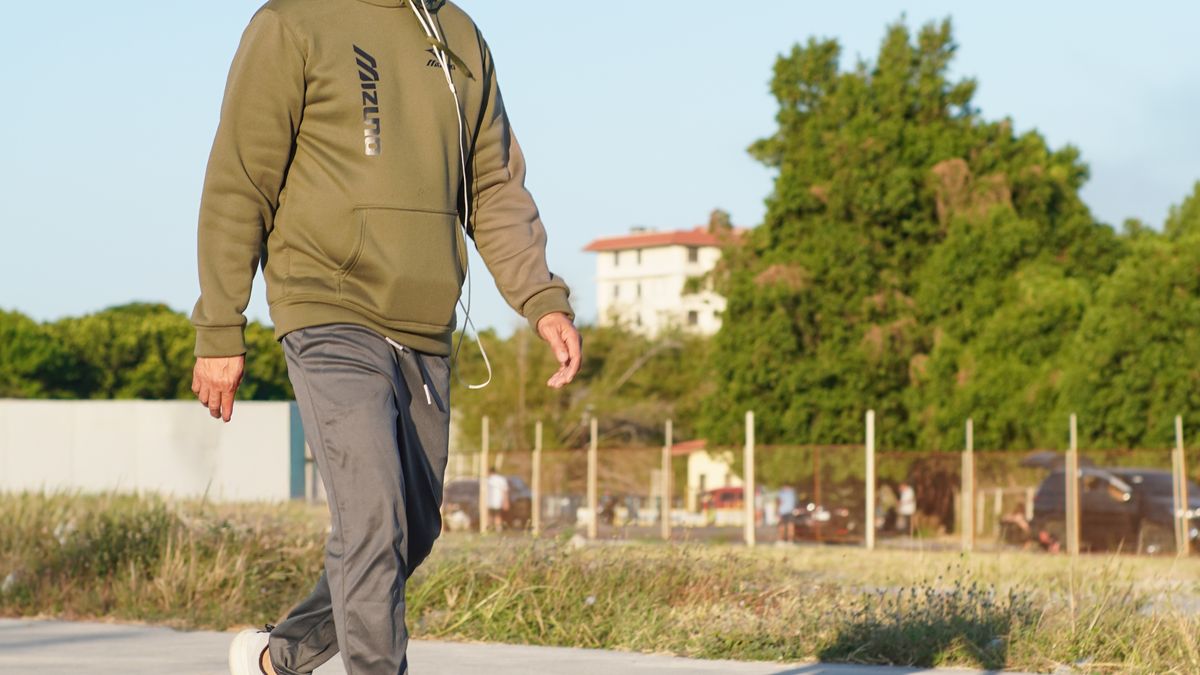
Men’s sweatpants should stay secure at the waist without over-tightening the drawcord, leave room through the seat and thighs, taper in a way that matches the cut, and break cleanly at the ankle rather than stacking in a heavy pile.
How Should Men’s Sweatpants Fit at the Waist, Thighs, and Ankles?
The next check is waist. The elastic holds the trousers in place before the drawcord is cinched hard. If the drawcord is doing all the work, the waist is probably too large.
Pay attention to seat. Fabric follows the shape without stretching across the seat or sagging low. Pull lines mean too tight; a hanging seat means too loose or too long in the rise.
Use thigh as a practical checkpoint. There is enough room to sit and squat naturally. Fabric gripping the thigh like leggings changes the look and restricts movement. This is also where real-world use matters. A result that looks acceptable while standing still may fail once you walk, sit, move, sweat, or wear the item for several hours.
Start with taper. The leg narrows gradually if the style is tapered. An aggressive taper can catch on the calf and create bunching above it.
The next check is length. Cuffed pairs finish at the ankle; open-hem pairs should have only a small break. Multiple folds of fabric at the shoe make the leg look shorter and untidy.
| Check | What good looks like | What should make you pause |
|---|---|---|
| Waist | The elastic holds the trousers in place before the drawcord is cinched hard. | If the drawcord is doing all the work, the waist is probably too large. |
| Seat | Fabric follows the shape without stretching across the seat or sagging low. | Pull lines mean too tight; a hanging seat means too loose or too long in the rise. |
| Thigh | There is enough room to sit and squat naturally. | Fabric gripping the thigh like leggings changes the look and restricts movement. |
| Taper | The leg narrows gradually if the style is tapered. | An aggressive taper can catch on the calf and create bunching above it. |
| Length | Cuffed pairs finish at the ankle; open-hem pairs should have only a small break. | Multiple folds of fabric at the shoe make the leg look shorter and untidy. |
How to Check Sweatpants Fit Before You Buy
You do not need a complicated system. Work from the highest-leverage check to the smallest detail, then test the result under normal conditions. That keeps you from fixing a minor detail while missing the bigger problem.
- Set the waistband first
Do not evaluate the rest of the fit while the trousers are hanging too low or being held up by a tight drawcord. - Sit and squat
Sweatpants are comfort clothing, so the fit has failed if normal seated movement creates strong pulling. - Check the rear view
This catches sagging in the rise and excess fabric behind the thighs that the front mirror hides. - Put on your normal shoes
Ankle opening and length make more sense once you see how the leg meets footwear. - Compare both legs after walking
Some fabrics creep upward on the calf, which tells you the taper is too narrow for your build.
Common Sweatpants Fit Mistakes
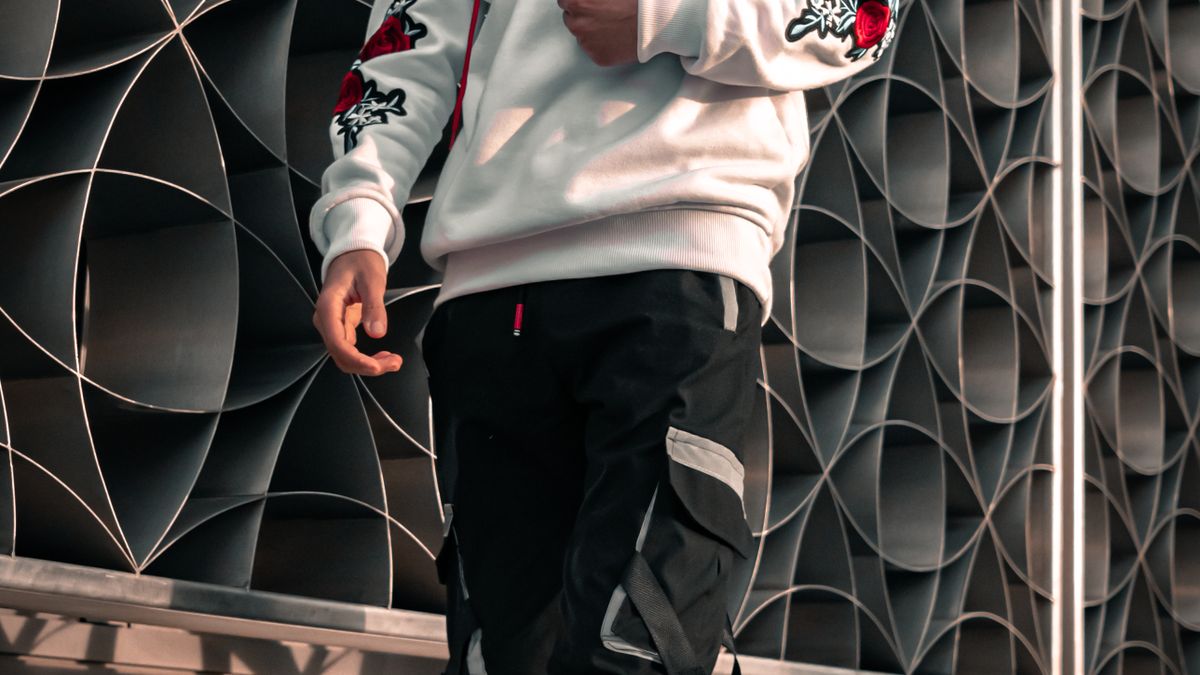
The biggest fit mistakes are buying a longer inseam to get thigh room, choosing a loose waist that needs constant drawcord tension, and judging a pair only while standing. Cuffed joggers and open-hem sweats also need different lengths, so compare them with the shoes you actually wear.
Buying longer for more comfort
Length and ease are different measurements. Extra inseam mostly creates stacking.
Sizing for the waist only
Men with larger thighs often need a cut with more thigh room rather than a larger waist.
Treating joggers and open-hem sweats as the same fit
Cuffs change where fabric can go, so the ideal break is different.
Ignoring shrinkage instructions
Cotton-rich sweats can change after washing, so care directions matter.
How Should Sweatpants Fit for the Gym, Errands, and Travel?
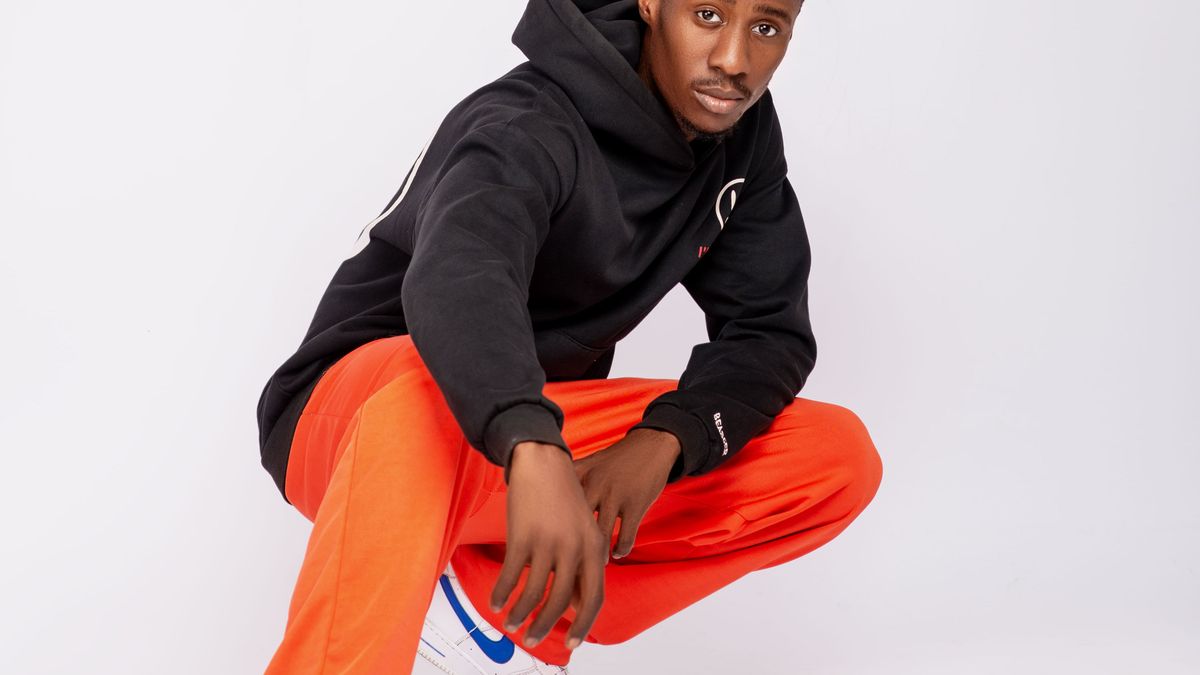
Different activities call for different amounts of room and structure. Keep the waistband secure, then adjust the leg cut and fabric for training, everyday wear, or long periods of sitting.
| Situation | Adjustment |
|---|---|
| At home | More room is fine, but the waistband and hem should still stay controlled. |
| Running errands | A cleaner taper and minimal stacking make sweatpants read as intentional casualwear. |
| Gym use | Prioritize unrestricted hip and knee movement and fabric that does not catch on equipment. |
| Travel | A secure waistband and pockets often matter as much as the silhouette. |
The decision rule
Sweatpants look best when comfort comes from the fabric and cut, not from buying so much extra size that the waistband, seat, and ankle lose structure.
What If One Part of the Fit Is Wrong?
If the waist stays put but the fabric pulls when you squat, try a relaxed or athletic-taper cut rather than automatically sizing up. If the legs stack over your shoes, try a shorter inseam or a different cuff. If the waist slips without a tightly cinched drawcord, the top of the cut is too loose.
Try sitting, climbing stairs, and walking before committing to a pair. Cuffed joggers should sit near the ankle without gripping the calf; open-hem sweatpants can have a slight break over the shoe. Check the care label, since some cotton-rich fabrics can change fit after washing.
For the rest of the outfit, see our T-shirt fit guide, sweater fit guide, and smart casual guide.
Frequently Asked Questions
Should sweatpants be baggy?
They can be relaxed, but the waist, seat, and ankle should still look controlled rather than simply oversized.
Where should sweatpants sit on the waist?
Usually around the natural waist or slightly below it, depending on the rise, without needing the drawcord pulled extremely tight.
How much should joggers stack at the ankle?
Very little. Cuffed joggers look cleaner when the cuff sits at the ankle and the leg has only light pooling above it.
Should sweatpants be tight around the calves?
They can taper, but they should not grip so tightly that the fabric catches and stays pulled up after you walk.
What if the waist fits but the thighs are tight?
Look for an athletic or relaxed-taper cut instead of simply sizing up and creating a loose waist.
Bottom line
Men’s sweatpants should stay secure at the waist without over-tightening the drawcord, leave room through the seat and thighs, taper in a way that matches the cut, and break cleanly at the ankle rather than stacking in a heavy pile. Use that as the baseline, then let comfort, proportion, performance, and the actual context decide the final adjustment. The point is not to obey a rule perfectly. It is to make a better decision with less guesswork.