Why do clothes still smell after washing? Common causes include too much detergent, an overloaded or dirty washing machine, sweat residue and fabric that stays damp too long. First notice whether the smell appears straight out of the wash, after drying or only once you wear the clothes. The timing helps identify what to fix.
A shirt can come out of the washing machine looking perfectly clean and still smell like yesterday’s workout. Sometimes the odor is sour. Sometimes it resembles a damp towel that has been left in a closed room. And occasionally everything seems fine until the fabric warms up against your skin.
The solution is not automatically a stronger detergent, more fragrance, or a hotter wash. Those choices can make the problem worse, especially when residue is already part of the issue. The useful question is when the smell appears and what conditions allow it to remain.

If clothes smell immediately after washing, first look at detergent dosage, washer cleanliness, wash load size, and whether the load was cleaned thoroughly. If they smell only after drying, investigate moisture and drying time. If they smell after you wear them for an hour, focus on body oils and residue held within the fabric.
What Does the Timing of the Smell Tell You?
A laundry odor is a symptom, not a diagnosis. You can narrow the possibilities by noticing exactly when it appears. That is more useful than trying three household remedies at once and never learning which one worked.
- Smells when you open the machine
- Check the washer drum, detergent drawer, door seal and how long the wet load sat.
- Smells while drying
- Check airflow, indoor humidity and whether thick garments are drying all the way through.
- Smells only when worn
- Check underarms, collars and synthetic sportswear for sweat and body-oil residue.
- Smells strongly of product
- Check detergent and softener dosage, and whether the rinse cycle is clearing them.
- One item smells but the rest do not
- Treat that garment separately rather than rewashing the entire load.
These clues are not exclusive. A washing machine can need cleaning while a particular synthetic shirt also holds odor. Start with the simplest evidence before choosing a treatment.
Why Can Clothes Smell Even After a Full Wash?
Washing works when water, detergent, time and movement act together. Reduce any one of those factors too much and soil may remain. A crowded drum keeps garments compressed, while an unsuitable cycle can leave heavily worn clothing less thoroughly cleaned than it needs.
Detergent has a similar balance. Using too little for a heavily soiled load may not remove body oils effectively. Using too much may leave residue that is difficult to rinse away. A visible line of suds is not proof of better cleaning.
The Good Housekeeping Home Care & Cleaning team identifies excess detergent, overloaded loads, delayed drying and dirty washers as recurring explanations for persistent odors. Its July 2026 guidance also advises measuring detergent to the machine, soil level, load size and water conditions rather than pouring generously by eye.
Most important, never use fabric fragrance to declare a problem solved. Scent can hide a musty smell for a short time, but it does not tell you whether the wash or dry process actually succeeded.
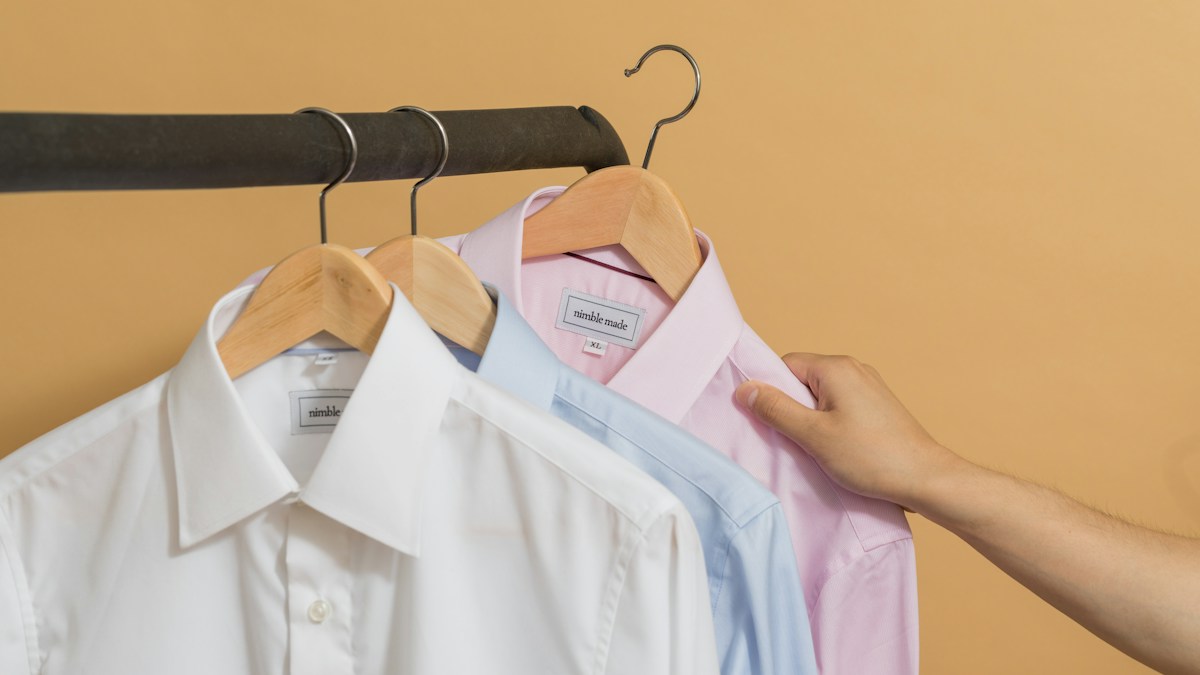
Find the Source Before Adding More Detergent
Run one controlled test. Select a small load of ordinary washable garments with a familiar odor problem. Check the labels, use the manufacturer-recommended amount of detergent, choose an appropriate cycle and remove the load promptly at the end. Dry it with good air circulation.
If the small load smells fresh but your usual packed load does not, the amount of laundry or the ordinary cycle may be part of the problem. If the small load still smells stale even with carefully measured detergent, inspect the machine and the particular fabrics.
A second test helps separate washer odor from garment odor. Smell an empty, dry drum and the detergent drawer, then compare a normally washable towel to one troublesome shirt. Do not press your face into a visibly moldy machine. Persistent visible growth or a strong unexplained odor warrants cleaning according to the manufacturer’s instructions.
This is not a laboratory experiment. It is simply a way to change one or two things instead of introducing five products at once. That approach saves time and reduces the chances of damaging something you actually wear.
Can Too Much Detergent Make Clothes Smell Worse?
Yes. When detergent does not rinse away well, it can leave clothing coated rather than truly refreshed. Residue may hold onto soil and create an unpleasant feel or persistent smell, especially if the laundry is washed with too much product repeatedly.
The correction is to measure according to the detergent label and machine instructions. Some high-efficiency machines require compatible low-sudsing detergent. The right amount depends on load size, dirtiness, product concentration and local water conditions. A single household measurement is not appropriate for every machine and detergent.
Avoid adding extra fabric softener in response. Softeners can leave their own deposits and are unnecessary for many items. Performance garments and absorbent towels may be especially poor candidates for unnecessary coating products.
If clothes already feel waxy or slippery, rewash them using a suitable cycle and no extra softener. In some cases an additional rinse helps. Follow the garment label and the washer manual rather than treating hot water as an all-purpose fix.
Why Do Overloaded Washers Leave Clothes Smelling Dirty?
A full machine is not always an overloaded machine, but there must be enough room for the wash action that model requires. Clothes need to move through water and detergent. When garments are packed tightly, some surfaces remain folded against each other for much of the cycle.
Heavy jeans, towels and bedding can make the situation worse because they absorb water and become bulky. A load that seemed manageable when dry can be harder for the machine to move once saturated.
Look for clues after washing: clothing still twisted into large knots, detergent patches that have not rinsed away, or one side of a load that smells less clean than another. Consult the machine’s load-capacity instructions rather than using a universal hand-width rule.
Smaller loads use more separate cycles, but washing an overloaded load twice is not economical either. Aim for the amount that your actual machine can clean properly.
How to Clean a Washing Machine That Smells Musty
Start with the manufacturer’s cleaning instructions. Many machines have a self-clean or tub-clean cycle and specify which cleaner, if any, can be used. Follow those instructions instead of combining homemade chemicals.
For a front loader, examine the rubber door gasket and the detergent dispenser, which can hold water, fibers and product deposits. Wipe accessible surfaces as directed, clean removable parts as permitted, and avoid forcing tools into sealed or electrical areas.
After use, let the drum and dispenser dry when the manual allows. Move finished laundry promptly rather than leaving wet fabric in the closed drum. Check any drain filter only according to the model’s procedure. A filter can release trapped water, so preparation matters.
Do not mix bleach with vinegar, ammonia, acids or other cleaners. If there is a persistent leak, recurring visible mold, unexplained standing water or a mechanical fault, stop experimenting and use professional appliance service.
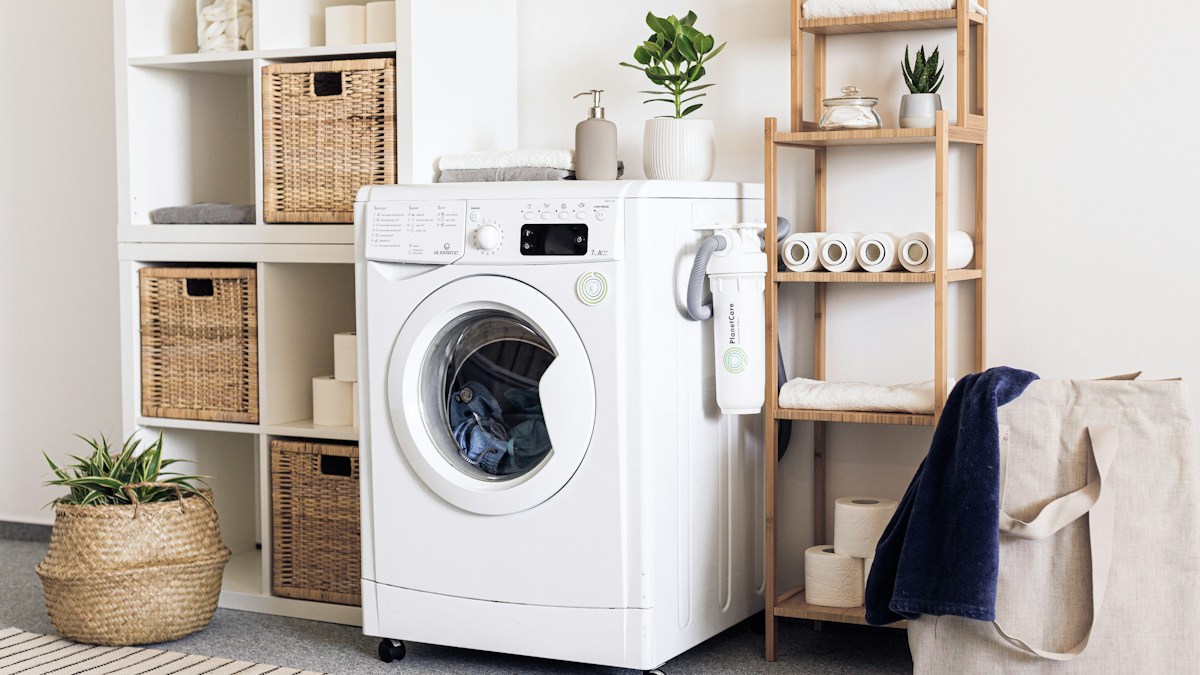
Why Do Clothes Smell Sour After Air Drying?
A garment can leave the washer clean and develop a stale odor while it stays damp. This is more likely when several layers overlap, indoor air does not circulate, or a crowded drying rack traps moisture between fabrics.
Separate items on the rack. Open out sleeves and waistbands rather than allowing thick sections to bunch. Use a well-ventilated space and, where necessary, a dehumidifier appropriate to the room. If you use a dryer, match the temperature and drying method to the garment label.
Thick cotton, denim and pocket linings often take longer to dry than thin sections of the same garment. Check those areas before putting clothes away. A garment that feels dry at the shoulder but damp at the waistband is not ready for a closed closet.
If the odor has already appeared, completely drying the garment may not be enough to remove it. Rewash appropriately and address the drying conditions that caused the problem.
Why Do Workout Clothes Smell Again as Soon as You Wear Them?
Some workout fabrics can retain body-oil and sweat residue even when they appear clean. The smell becomes noticeable again as body heat and moisture return. Adding perfume does not remove the underlying soil.
Turn washable garments inside out when the care instructions allow. Pay attention to underarms and fitted areas where residue is most concentrated. Avoid storing sweaty gear in a sealed bag for extended periods before washing. Use an appropriate detergent and the temperature permitted by the label.
Not all technical fabrics tolerate high heat, chlorine bleach or softener. Those treatments can affect stretch, coatings and performance properties. Check the maker’s instructions before using stain pretreatments or specialized odor removers.
For cotton dress shirts, localized underarm residue has a different solution from general washer odor. Our guide to removing deodorant buildup from dress shirts addresses the fabric and product deposits without treating the entire garment as though it were equally dirty.
Can Hot Water Fix Laundry Odors?
Not always. Higher temperatures can be useful for certain machine-safe loads when the washer and fabric instructions permit them, but high heat can also shrink, fade or damage sensitive garments. It is not a substitute for sufficient detergent movement, correct dosing and complete drying.
Read the permanent care label first. The Federal Trade Commission requires relevant care instructions for many garments sold in the United States. The label explains acceptable washing and drying methods for the finished garment, which may have trims, stitching or components that need different treatment from the main fabric.
For delicate wool knitwear, heat and agitation deserve particular caution. Woolmark recommends following the wool garment’s care claim and drying knitwear flat unless the care label expressly permits another method.
Treat the label as the boundary, not as an optional suggestion you can override because something smells. This also explains why everyday jeans and dress shirts may require different care patterns even when both are made largely from cotton.
What Should You Do With a Single Stubborn Smelly Shirt?
When just one item fails the sniff test repeatedly, separate it from the rest of the load. Notice the location and type of odor. An underarm problem suggests a different source from an overall mustiness that appears after storage.
Pretreat only when the product and material instructions allow it. Test unfamiliar products in an inconspicuous location. Avoid aggressive scrubbing that raises fibers, damages dye, or causes a worn patch that is more noticeable than the original smell.
Try one appropriate wash, followed by prompt and thorough drying. If that does not help, investigate the actual material and construction. Some garments hold residue differently; others may be permanently altered by age or previous treatments. Repeated strong chemical experiments are rarely sensible for an expensive garment.
When a garment is special, fragile or labeled for professional cleaning, ask a qualified cleaner rather than improvising.

How to Stop Laundry Smells From Returning
A reliable routine is usually simpler than a shelf full of products. Sort clothing by care needs and level of soil. Do not leave wet laundry sitting in the washer. Measure detergent. Give the wash load room to move. Dry garments fully before storage.
Our guides on how often to wash jeans and how often to wash dress shirts can help you avoid both over-washing and leaving garments too long between cleans. Maintenance should protect useful clothing, not make it harder to own.
Frequently Asked Questions
Can I leave clothes in the washer overnight?
It is better to move wet laundry promptly. A closed, damp washer gives a load more opportunity to become stale. If it smells off, rewash it before drying.
Will an extra rinse help clothes that smell like detergent?
It can help when excess product has not rinsed away, but first correct the detergent dosage. An extra rinse does not fix a dirty washer or insufficient cleaning.
Does air drying always prevent musty smells?
No. Air drying works only when clothes dry thoroughly in reasonable time with good airflow. A humid, crowded room can prolong dampness.
Should I use vinegar to make laundry smell fresh?
Do not treat vinegar as a universal laundry additive. Follow your washer manufacturer’s guidance, and never mix acids with chlorine bleach or other reactive cleaners.
Why do only the armpits of a shirt smell after washing?
Body oils, perspiration and product deposits concentrate there. A fabric-appropriate, localized treatment is more relevant than cleaning the entire washer.
Can clothes smell bad even after a hot wash?
Yes. Heat alone cannot compensate for trapped residue, overloaded loads, machine contamination or slow drying. Use the garment’s stated care limit and address the actual cause.
The Bottom Line
When laundry smells bad after washing, the key is identifying whether the odor comes from the wash process, the machine, drying, or one stubborn garment. Test a smaller load, measure detergent, clean the machine properly and dry clothes without delay. The right diagnosis will protect your wardrobe better than adding more fragrance.