A shirt fits properly on Friday. You wash it over the weekend and suddenly the hem sits higher, the sleeves feel tighter, or the whole garment seems a size smaller. When that happens, the dryer is an obvious suspect. Sometimes it is the cause. Sometimes the fabric was already changing during the wash, and the dryer made the difference more noticeable.
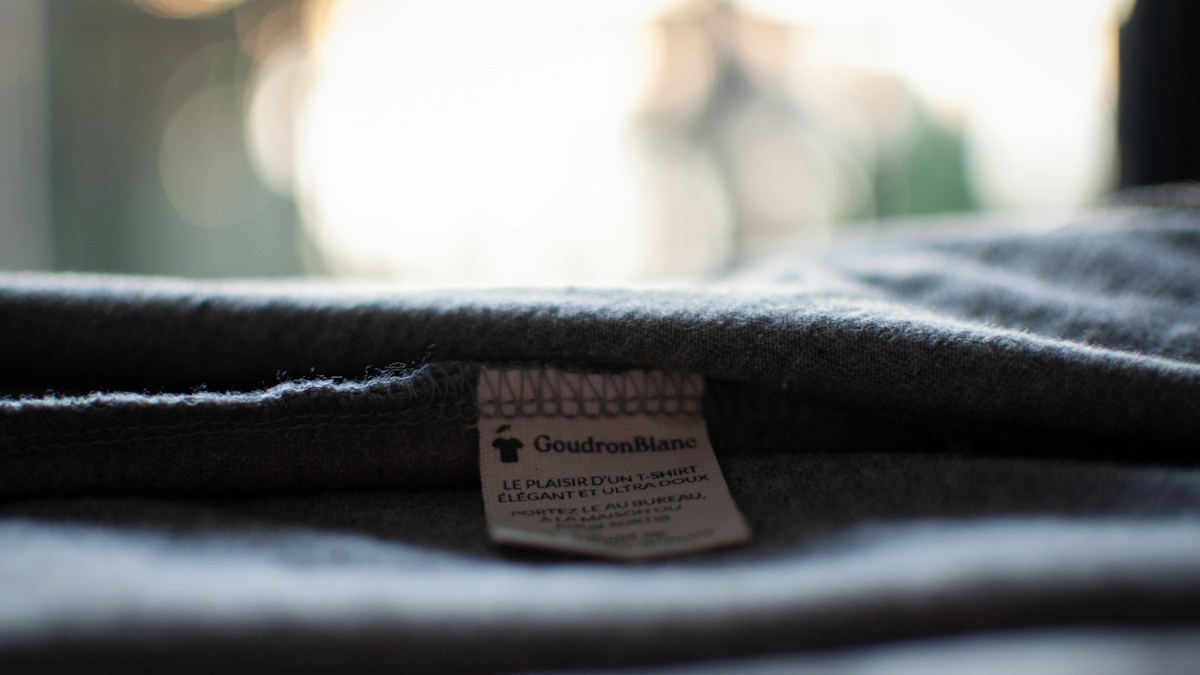
The safest way to prevent dryer shrinkage is to read the garment’s care label, use the lowest heat setting that meets those instructions, avoid excessive drying time, and remove clothing before it becomes over-dried. If the label says not to tumble dry, line dry or flat dry as instructed instead. Good fabric care begins before the dryer is switched on.
This is not about being afraid of a machine. Dryers are practical, and many garments are designed for them. The goal is to understand which clothes tolerate heat and mechanical movement, and which ones need a more restrained method.
Why Do Clothes Shrink in the Dryer?
Clothing is made from fibers assembled into yarns and fabrics, and the production process can leave tension in the material. When water, heat and movement relax that tension, some garments change size. The final amount depends on fiber, fabric construction, finishing and whether the garment has already been pre-shrunk.
Different kinds of shrinkage should not be confused. An ordinary cotton knit may shorten after early washes because its fabric relaxes. Wool exposed to the wrong combination of moisture, heat and agitation can felt, meaning the fibers become entangled and the structure contracts. Some garments simply distort when heavy, wet areas pull out of shape.
The American Cleaning Institute identifies over-drying as a cause of shrinkage and warns that the resulting dimensional loss may be irreversible. That is an important distinction: prevention is reliable in a way that Internet “unshrinking hacks” often are not.
The right solution depends on what you own. A stable synthetic blend is not the same as a loosely knit sweater. The care label is a more useful guide than a blanket rule based on a fabric’s appearance.
The Three Controls That Protect Your Clothes
A good drying decision comes down to three checks. First, whether the label permits tumble drying. Second, the heat level the label permits. Third, how long the garment stays in the dryer after it is already dry.
These controls work together. Lower heat is usually kinder to clothing, but it is not a license to tumble an item with a clear “do not tumble dry” instruction. Likewise, a permitted cycle can still be harsher than necessary if it runs far beyond the point the load has dried.
A dryer has more influence over clothing fit than most people realize because it combines heat, motion and changing moisture. The best routine respects all three.
Which Fabrics Are Most Likely to Shrink?
Fiber type is only one part of the story, but it helps narrow the risk. Natural cellulose fibers such as cotton may change dimensions when their structure relaxes. Wool requires particular caution because felting can be permanent. Some synthetics are dimensionally stable under ordinary care, yet others can be damaged by inappropriate heat or have stretchy components that lose resilience.
| Fabric Decision Table | |
|---|---|
| Cotton T-shirts | Follow the label; prevent over-drying and remove when just dry or slightly damp if you can finish drying safely. |
| Denim | Use the permitted drying method; avoid aggressive heat if preserving fit is important. |
| Wool knitwear | Follow wool-specific instructions and dry flat when required; never assume any sweater can tumble. |
| Polyester and technical blends | Follow product-specific limits, especially where stretch or coatings are present. |
| Lined or tailored garments | Use whole-garment care instructions; different components can react to heat differently. |
This is why two “cotton” shirts can behave differently. One might have been pre-shrunk and made with a stable weave, while another has a looser knit that changes after laundering. A printed graphic or elastic trim may impose a lower safe temperature than the main fiber suggests.
If the label is missing or unreadable, investigate the manufacturer first. Expensive or complex pieces are poor candidates for an experiment with hot air.
Does Using Low Heat Prevent Shrinkage Completely?
Low heat generally reduces thermal stress compared with high heat, but it cannot guarantee zero shrinkage. Some fabrics change after getting wet or through mechanical action alone. Initial relaxation can occur even with careful laundering, especially in garments that were not stabilized during production.
The practical target is to minimize avoidable change. Respect the cycle and temperature listed on the care label, use an appropriate load size, and do not leave items tumbling unnecessarily after they dry.
If a shirt has an ideal fit, measure its chest width and length before the first wash. That gives you a useful comparison later and helps distinguish a minor change from a genuinely poor-quality garment. Flat measurements also make it easier to spot if the shape is stretching rather than shrinking.
Do not assume a dryer setting named “delicate” is suitable for all delicate garments. Dryer programs vary by manufacturer, and a label that calls for flat drying still rules out a normal tumble program.
How Much Does Over-Drying Matter?
Over-drying means keeping garments exposed to mechanical movement or heat longer than needed. It can increase wrinkling, stress fabrics and contribute to shrinkage. The American Cleaning Institute specifically recommends reducing drying time and removing knitwear, especially cotton, while a trace of moisture remains.
That recommendation does not mean putting wet clothing into a closed wardrobe. Finish drying it completely on a hanger or flat surface, as the care label allows, before storage. Otherwise, the moisture that protects fit during drying can turn into an odor problem later.
For a mixed load, consider removing lighter garments first and letting heavier towels continue separately. A thick towel and a lightweight T-shirt rarely need identical drying times. Letting the T-shirt keep tumbling until the towel is done adds unnecessary treatment.
If you cannot watch the dryer closely, use the machine’s moisture-sensing cycle when it functions properly and suits the garments. Check the result rather than assuming the sensor works perfectly on every fabric and load size.
How to Dry Cotton T-Shirts Without Ruining the Fit
Cotton T-shirts are everyday clothes, which makes repeated minor shrinkage particularly frustrating. Start by sorting shirts according to their labels rather than mixing all of them with heavy denim and towels. The shirt’s collar, side seams and printed graphic may need as much consideration as the cotton itself.
Wash according to the care instructions, avoid packing the dryer tightly, then choose the recommended drying setting. Pull the shirt out as soon as it is ready and lay it flat briefly to check the dimensions. If the label permits and it is slightly damp, smooth the seams and finish drying it without extra machine heat.
Avoid hanging a very wet, heavy knit by thin shoulder points for long periods. That can stretch or distort the shoulders. A flat drying rack or well-supported hanger may be better depending on the fabric and label.
If you want a consistent personal standard for fit, revisit our guide to how a T-shirt should fit a man. Knowing the fit you actually want makes it easier to notice when a garment needs a gentler routine.
What About Jeans and Chinos?
Denim can tolerate plenty of real-world wear, but that does not make every pair suitable for a hot dryer. The treatment depends on the wash, dye, elastane content and care label. Raw and specialty denim can respond differently from ordinary prewashed jeans.
For jeans you want to keep at a stable length and waist, avoid unnecessary high heat and prolonged tumbling. If tumble drying is permitted, remove the pair promptly and let any remaining slight dampness dry according to its instructions.
Stretch denim deserves extra caution. High heat can affect elastic components and lead to fit changes that are not easily reversed. A garment that feels tighter straight out of the dryer may relax slightly with wear, but that is not the same as repairing permanent shrinkage.
Our separate guide on how often to wash jeans explains why washing frequency should depend on actual wear, soiling and odor instead of a universal schedule. Fewer unnecessary cycles can also mean fewer opportunities for avoidable wear.
Why Are Wool Sweaters Different?
Wool behaves differently from an ordinary cotton T-shirt. Depending on its treatment, wool can be washable, machine washable, or suitable only for specific methods. What matters is the finished garment’s label and whether its wool has been treated to tolerate the intended wash.
When wool felts, fiber scales can interlock under moisture and agitation, changing the fabric itself. Once severe felting has occurred, a quick soak or stretching trick cannot reliably return it to its original structure.
Woolmark recommends laying many wool knit garments flat to dry, unless the garment’s instructions specifically permit a different process. Flat drying supports the sweater’s shape and reduces the pull of its wet weight.
If you own wool knitwear, our guide to washing a wool sweater without shrinking it covers the full washing process. Do not substitute advice for cotton laundry when the wool label requires a gentler method.
Can Clothes Shrink in the Washing Machine Before Drying?
Yes. Washing introduces water, temperature and mechanical movement, all of which can affect fabric dimensions. A garment may change before it ever reaches the dryer. The dryer can add more heat and motion, making an earlier change easier to notice.
To separate the causes, try flat measurements before washing, after washing while carefully smoothed and after final drying. Handle wet fabrics gently while measuring. That is especially useful if you are investigating an expensive garment or repeated fit changes.
A dramatic change after one hot wash is not evidence that the dryer alone is responsible. Review the entire process, from wash temperature to load size to agitation and final drying time.
Never deliberately repeat a harmful cycle to “prove” what caused shrinkage. Once a garment is clearly vulnerable, choose the gentler permitted route going forward.
A Five-Step Routine to Prevent Shrinkage
You do not need a complicated laundry system. You need a few deliberate habits that make mistakes less likely and protect the clothes you actually want to keep.
The fourth step is often the one that gets ignored. Mixed loads create a false choice between drying everything for the heaviest item and leaving everything damp. You can simply remove dry garments, then continue with the pieces that need more time.
Do not use fabric softener, vinegar, hair conditioner or another additive as a substitute for the correct drying method. The settings and fabric construction determine the shrinkage risk; chemical additions are not a dependable way to cancel it.
Can You Fix a Shirt That Already Shrunk?
Sometimes you can improve its shape, but you cannot count on restoring the original dimensions. If a knit has merely drawn up slightly after washing, gentle reshaping while damp may recover some apparent length or width. If it is permanently shrunk or felted, stretching can damage fibers and seams without delivering a stable fit.
Be skeptical of instructions that guarantee an exact percentage of size recovery. They rarely account for fabric construction, finishing or how the garment was damaged.
It may be worth asking a tailor whether a piece can be altered, but alterations cannot create fabric that is no longer there. Sometimes choosing a better-preshrunk replacement is more sensible than turning one ruined shirt into a weekend project.
Frequently Asked Questions
Does cold water stop clothes from shrinking?
Cold washing may reduce some risks, but it does not eliminate fabric relaxation or damage from an unsuitable drying cycle. Follow the complete care label.
Can a shirt shrink on low dryer heat?
Yes. Low heat reduces stress but cannot guarantee zero shrinkage, especially with long drying times or vulnerable fabrics.
Why did only one shirt shrink in the same load?
That shirt may have different fibers, knitting, finishing, pre-shrinking or trims from its neighbors. Garment construction matters.
Should I take cotton shirts out while slightly damp?
If their care labels permit that approach, it can help avoid over-drying. Finish them completely on an appropriate surface before storing.
Can I tumble-dry a wool sweater on delicate?
Only if its care label permits tumble drying and the cycle meets those requirements. Many wool knit garments call for flat drying.
Do dryer balls prevent shrinkage?
They can affect how a load moves or dries, but they do not replace the need to follow temperature, timing and garment-care restrictions.
The Bottom Line
A dryer should make laundry easier, not change the fit of your wardrobe. Check the label, select a suitable low-stress cycle, avoid over-drying, and remove the right garments before the machine keeps heating them unnecessarily. Those habits are more dependable than trying to stretch clothes back into shape after damage has already happened.