Beach packing has a simple blind spot: the suitcase fills with swim shorts while the actual trip includes airport transfers, dinners, rain, sun exposure and evenings away from the shore. Keep a dry change of clothes accessible for the return trip rather than burying everything beneath wet beach gear. You do not need five resort outfits. You need a plan for wet and dry conditions and enough clean clothing to move comfortably between them.
Quick answer
- Separate beach hours from the rest of the trip
- Choose swimwear that will dry in time
- Pick footwear for terrain, not photographs
Start with swimwear, breathable casual clothing, footwear for the beach and walking, sun protection, basic grooming, dry underwear, a light layer and a separate way to carry wet items. Add activity-specific gear only for the excursions you have actually booked, and respect local cultural or venue dress expectations.
Start With the Constraints That Actually Matter
Your route, accommodation, weather and scheduled activities should determine the bag, not a social-media packing photograph. Check the allowance attached to your specific ticket, including dimensions, weight, personal item and possible gate-check conditions. Aviation rules can change by airline, airport and country. If anything involves liquids, batteries or restricted gear, use the current official guidance for your journey instead of a universal assumption.
Separate beach hours from the rest of the trip
Write down when you will swim and when you will be in restaurants, transport or town. A wet shirt and swim shorts should not become your only option for dinner. Pack one clean versatile combination that works away from the beach.
Choose swimwear that will dry in time

Two swimsuits may be useful if you swim repeatedly and drying conditions are poor; one may suffice for a shorter trip. Consider fit, comfort and the activities planned. A sealed bag should be a temporary transport solution for wet swimwear, not long-term storage.
Pick footwear for terrain, not photographs
Flip-flops or sandals may work near a pool, but uneven streets and long walks often need supportive shoes. Water-specific footwear may be justified around rocky shores. Pack the shoe types your route requires, not several versions of the same casual sandal.
Keep sun protection within reach
A hat, sunglasses and suitable sunscreen should not be buried under clothes after arrival. Use reliable sun-protection guidance for your skin and planned exposure. Remember that sunscreen and other liquids may need compliant packing when flying. For decisions about sun protection, see our sunscreen guide for men.
Protect electronics from sand and moisture
Use appropriate water-resistant storage where useful, but do not assume an ordinary zip pouch is waterproof. Saltwater and sand can damage devices and charging contacts. Keep clean dry storage for electronics and avoid charging gear while it is wet.
Plan a small dry-clothes reserve

Fresh underwear, one clean shirt and a suitable pair of bottoms can protect your return journey after a beach day. Place them apart from wet towels and gear. If there is no laundry or dryer, pack with enough time for clothes to air out before departure.
Check cultural and venue expectations
Some beaches are relaxed while nearby religious sites, local neighborhoods or restaurants require more coverage. Read current destination-specific guidance instead of assuming resort dress applies everywhere. A lightweight overshirt or long trousers may earn their space for this reason alone.
When a Technical Shirt Is Not the Right Beach Layer
Warm-weather packing often attracts technical fabrics promising to work in every condition. A beach trip still asks basic questions: will the shirt feel comfortable in humid air, can it dry properly, and does it suit the places you intend to visit? A heavier thermal merino long sleeve may work on an air-conditioned flight but offer little value during a hot day on the sand.
Choose the pieces that you already know you can wear in the destination’s humidity. A lightweight overshirt can cover a cooler evening or a place that expects more modest clothing without turning into another heavy base layer. If you need a long sleeve for sun coverage, pay attention to the fabric’s actual coverage, fit and comfort rather than assuming any wool garment provides adequate sun protection.
For a short beach break, build outfits around a dry change after swimming and footwear that handles the ground. Bring a specialized shirt only when it answers a real activity or venue requirement. If it would stay in the bag most of the trip, leave it at home.
Limit specialized extras to actual plans
Snorkeling, trekking and boating may each require different equipment. Confirm what the operator provides before you pack a second bag. Do not buy or carry equipment solely because a generic beach checklist includes it. Leave room for a safe water bottle and the everyday items you’ll use.
A Three-Day Beach Packing Example
An optional travel T-shirt

Merino Tech Men’s Merino T-shirt 180 Olive Green
A clean olive green T-shirt can work with lightweight trousers or shorts when you leave the beach. This is an optional casual top, not sun protection or a substitute for a dry change of clothes. Travelers who find merino wool uncomfortable in humidity may prefer another material. The merchant’s product page lists $42.99 USD; prices and availability can change.
Wear comfortable casual clothing and walking shoes during travel. Pack swimwear, two additional breathable tops, shorts or light trousers, clean underwear and any activity-specific gear confirmed by the itinerary. If dinner is planned at a restaurant away from the beach, include one clean outfit that is suitable for the venue. Do not assume beachwear is accepted everywhere. A lightweight overshirt can sometimes cover casual evening requirements without introducing another full set of clothing.
Two swimsuits can be useful when swimming each day and drying is slow. On a shorter trip, one may be enough. The correct number depends on when you swim, where you can rinse and dry items, and whether you have time to change before travel. Avoid packing multiple nearly identical sets purely because they take little space.
Managing Wet Gear on Departure Day

The most difficult packing moment may be the last beach visit before your flight. You have wet swimwear, sandy sandals and clean travel clothes that must remain usable. Designate a pouch for damp items, rinse as appropriate and allow drying time where possible. The pouch limits contact with other belongings; it does not prevent odor or moisture damage when wet clothes are sealed for long periods.
Keep chargers, travel documents and electronics in dry compartments. If a device is damp, follow its manufacturer guidance before charging or using it. A water-resistant bag does not mean every zipper and seam will keep saltwater out. Treat water protection as a rated property of the actual product, not an assumption based on how a bag looks.
Footwear Beyond the Beach
A pair of sandals is convenient for short trips to the pool, but an afternoon exploring a city may require better support and traction. Consider the ground surfaces, walking distance and any excursion requirements. If the itinerary includes a rocky shoreline or a boat, check the operator’s footwear and safety recommendations rather than assuming flip-flops are suitable.
The second pair should serve a real purpose. A comfortable sneaker worn during travel and a light sandal packed for the beach can cover many casual trips. A formal dinner may change that arrangement, but a third pair for an imaginary event probably will not. For the trip itself, our solo travel guide for men covers planning and practical logistics.
Sun Protection and Daily Comfort
Build sun protection around the duration and intensity of exposure. A hat, suitable sunglasses, skin protection and access to water may be more useful than another fashion accessory. Follow credible local and health guidance for outdoor activities. When flying, sunscreen in cream or spray form may be subject to security and hazardous-material rules, so check the route before departure.
After a long afternoon outside, change into clean clothing before dinner when practical. Put the used garments in their proper compartment and avoid letting sand spread into the suitcase. A small, disciplined daily reset keeps the trip comfortable without requiring an elaborate wardrobe.
How to Keep the Bag Clean on the Return Flight
Before checkout, empty sand from footwear, check towels or swimwear for moisture and protect clean travel clothes from direct contact. A simple laundry pouch prevents the shirt you plan to wear on the aircraft from smelling like used beach gear. Check the hotel bathroom, balcony and charging points before leaving, because small accessories are particularly easy to forget after an active beach day.
If your luggage is already full, remove unused clothing before squeezing wet items beside electronics. The return journey is part of the packing plan, not an afterthought. A few minutes of sorting at the hotel can prevent a difficult unpacking session at home.
Four Worked Packing Situations
Two days at a resort
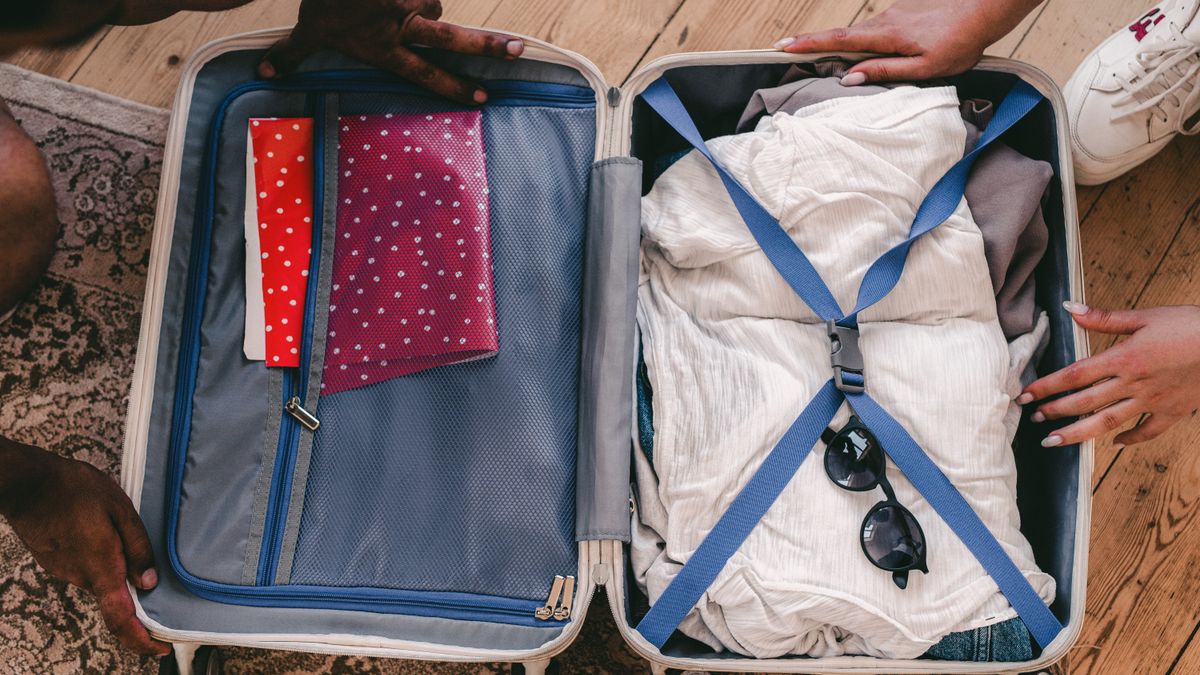
Swimwear, one pair of versatile shorts, two or three tops and fresh daily basics may cover most needs. Add appropriate dinner clothing only if the venue requires it. Keep a separate compartment for wet items, and don’t assume the hotel can dry everything overnight.
Beach town with city walks
Comfortable closed shoes and a clean collared shirt may be more valuable than a third pair of swim shorts. Plan outfits around the hours spent exploring, not just the coastline. Sun protection remains useful away from the beach.
Snorkeling or boat excursion
Check the operator’s equipment, safety and luggage requirements. A dry bag or protective case may be helpful, but its rating and closure matter. Keep irreplaceable documents and electronics secured rather than bringing everything onto the boat.
Travel on the day of swimming
Pack dry travel clothes where you can reach them before leaving the beach. Allow time to rinse and dry necessary items, and protect your carry-on from damp fabric. Avoid putting a still-wet swimsuit directly against chargers or papers. For documents and everyday accessories, see the travel kit every man should own.
The Final Pre-Departure Check
Lay out everything in one place and remove items with no specific purpose. Keep required documents, medication, valuables and electronics under your control and accessible. Test the bag’s zipper, weight and handling before leaving. Look at the first day’s agenda and make the first outfit easy to retrieve. The best packing arrangement works when you are tired at the other end, not only when you carefully fold it at home.
Frequently Asked Questions
How many swimsuits should a man pack?
One or two depending on trip length, frequency of swimming and drying time.
Are sandals enough for a beach vacation?
Not for every itinerary; town walks and activities may need supportive footwear.
Should I pack a beach towel?
Check the accommodation or tour first; a full towel may be unnecessary bulk.
How do I pack wet swimwear?
Separate temporarily, then rinse and dry as soon as practical.
Do I need dress clothes at a beach resort?
Only if actual restaurants, events or local expectations call for them.
The Bottom Line
Packing well means choosing what actually supports the trip. A bag that is lighter but omits essential documents or suitable clothing is not a success. A bag that has every imaginable backup but makes travel difficult is not a success either. Decide from the itinerary, keep the essentials accessible and accept that the best kit changes with the destination and the work you plan to do.
Affiliate Disclosure: This article contains affiliate links. Modern Men HQ may earn a commission if you purchase through them, at no additional cost to you. Read our full Affiliate Disclosure.