A warm destination invites overpacking because nearly every light shirt seems easy to add. Check whether each extra piece works with at least two bottoms before it goes in the bag. The problem is not weight alone. More pieces create more mismatched outfits, more laundry and less clarity when you’re leaving the hotel in a hurry. A concise kit should handle heat, walking and one evening plan without pretending every hour needs a new look.
Quick answer
- Check heat and humidity separately
- Build around breathable fabrics you actually tolerate
- Choose a short, useful color palette
For a casual two or three-day hot-weather break, start with breathable tops, one comfortable bottom worn in transit, a spare bottom or shorts, fresh underwear and socks, sun protection, comfortable walking shoes and an optional smarter evening layer. Adjust for humidity, rain, cultural expectations and real activities.
Start With the Constraints That Actually Matter
Your route, accommodation, weather and scheduled activities should determine the bag, not a social-media packing photograph. Check the allowance attached to your specific ticket, including dimensions, weight, personal item and possible gate-check conditions. Aviation rules can change by airline, airport and country. If anything involves liquids, batteries or restricted gear, use the current official guidance for your journey instead of a universal assumption.
Check heat and humidity separately
High humidity makes heavier fabrics feel uncomfortable and slows drying. Read the forecast for rainfall and evening temperature, not only the afternoon high. A lightweight overshirt may be more useful than a heavy hoodie. If you expect air-conditioned buses or offices, keep an easily accessible layer.
Build around breathable fabrics you actually tolerate
An optional travel T-shirt
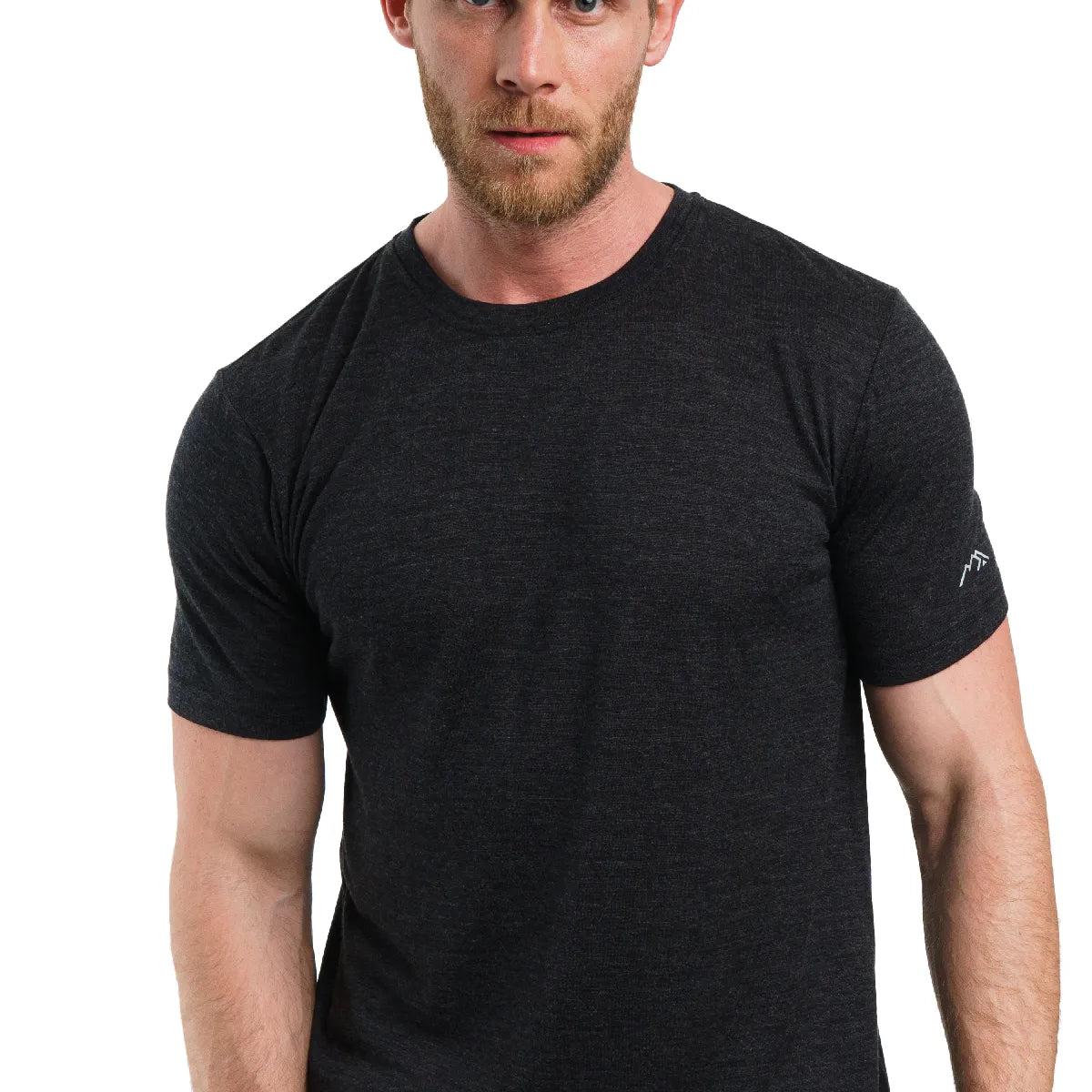
Merino Tech Men’s Merino T-shirt 180 Charcoal
A neutral short-sleeve merino shirt can work with shorts or chinos during a weekend away. Merino is not always the most comfortable choice in hot humidity, so consider fabric preference, fit, and care instructions. The merchant’s product page lists $42.99 USD; prices and availability can change.
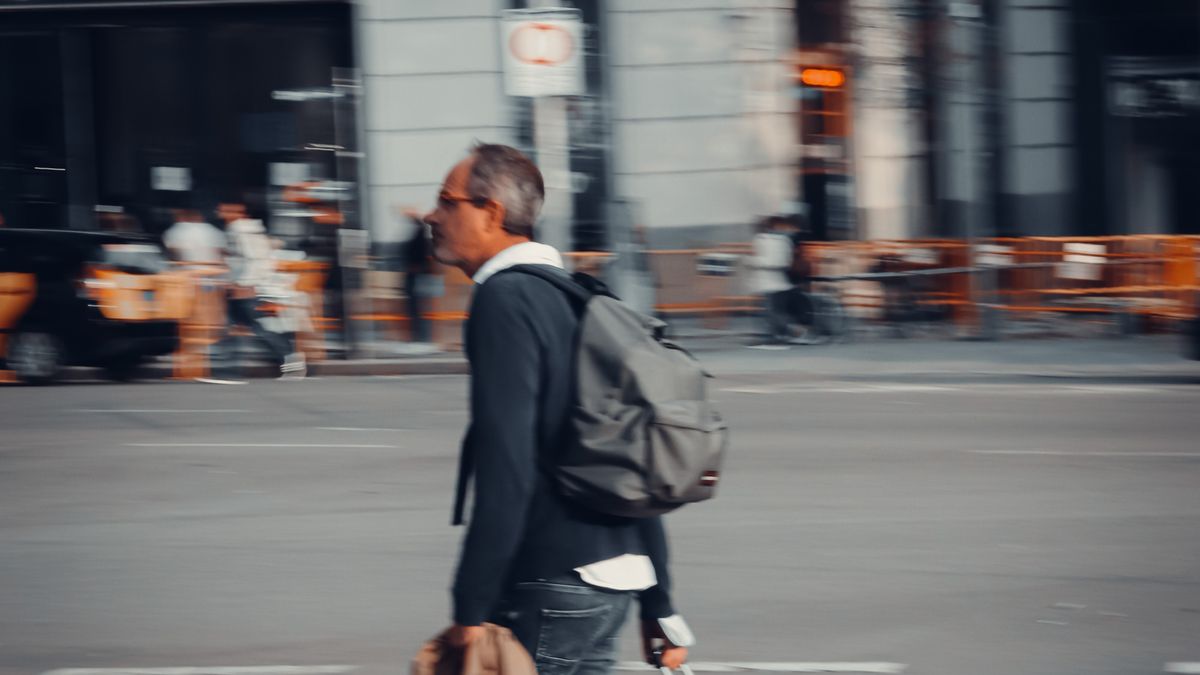
Linen and lightweight cotton can feel comfortable, but wrinkles and drying behavior differ by weave. Some synthetics can work well for hiking or active travel. Choose garments you have worn successfully in similar conditions instead of trying untested clothing on a trip.
When a Merino Long Sleeve Belongs at Home
Merino is not automatically the best fabric for a warm weekend. A long-sleeve top can be useful for a cool flight, air-conditioned office or breezy evening, but a midweight base layer also occupies space in a bag that may otherwise hold one more fresh T-shirt. Decide from the forecast and itinerary rather than packing technical clothing because the label promises versatility.
Merino Tech sells 165-weight and 250-weight long sleeves in colors such as Windsor Blue, Natural Merinos and Deep Teal. Those are different weight and color choices within one garment category, not a reason to take all three. For a humid destination where you will mostly walk outdoors, your comfortable lightweight cotton, linen or synthetic shirt may be easier to wear. A 250-weight thermal layer earns a place only if there is a substantial indoor-cold or evening requirement that a thin overshirt cannot meet.
If you bring a merino T-shirt instead, make the same practical checks you would with any other travel top. Look for a neckline that stays flat, a hem that works untucked, and enough airflow for your own tolerance of humidity. Perfect Gray, Metal Grey and Charcoal 180-weight options are largely color alternatives; a buyer should pick just one when fit and availability justify it. The listing may mention complimentary socks, but whether a bundle applies to a selected size needs checkout verification.
For a three-day weekend, do the outfit test at home. Lay out two daytime combinations, a dinner option if needed, and the exact jacket you will use on the plane. Remove any item that duplicates the job of something else. If a long sleeve appears in only one hypothetical outfit and the weather is warm throughout, it may be better left behind. That simple edit does more for luggage space than buying another technical shirt.
Choose a short, useful color palette
Neutral shorts or chinos can work with multiple tops, which reduces the need for separate day and evening outfits. Try combinations before departure. A well-fitting white, navy or earth-tone shirt may be versatile, but choose colors that work with your own wardrobe rather than copying a rigid menswear formula. If you are unsure which inseam to pack, our men’s shorts length guide explains how to judge the hem against your leg proportions.
Give footwear a clear job
If the itinerary involves hours of walking, footwear comfort should lead the decision. Sandals may suit a pool or beach, but not every street, activity or dinner venue. A second pair earns space only if it meets a requirement the first cannot cover. For decisions about sun protection, see our sunscreen guide for men.
Keep skin protection accessible
Include suitable sunscreen, a hat where useful and enough water access for the setting. Follow health guidance appropriate to your exposure, and verify your destination’s weather and activity demands. Sunscreen in carry-on baggage may fall under local liquid limits; use compliant packaging and do not assume exemptions.
Plan for sweat and drying time

Pack clean underwear and socks for each day, plus a small separation pouch for used clothes. If you plan to hand wash anything, confirm that it can dry in the climate and the time available. A damp shirt sealed overnight inside luggage can create odor.
Use one evening upgrade
A clean collar, restrained watch and better-fitting shirt may shift a casual outfit toward dinner without adding a whole second pair of trousers. Check actual venue requirements. A seaside restaurant and a formal private event do not share one universal dress code.
Leave room for wet weather
A packable rain layer or small umbrella may be useful where sudden showers are common. Avoid carrying multiple bulky coats for a forecast that needs only one simple barrier. Dry wet garments before closing the bag when possible, and protect papers and electronics in their own compartments.
An Actual Warm-Weather Outfit Plan
For a Friday-to-Sunday weekend, wear breathable trousers and walking shoes in transit. Pack one pair of shorts, two additional tops and clean daily essentials. A lightweight collared shirt can double as an evening option if the venue is casual enough. Choose colors that work with the trousers and shorts rather than treating each top as part of a separate outfit. Pack swimwear only if swimming is on the itinerary. A pool at the hotel does not necessarily mean you will use it, particularly on a short trip filled with work and city activities.
Test the fabrics against the conditions. Some linen garments wrinkle readily, while certain quick-drying blends can hold their shape better during sweaty walks. Neither category is automatically superior. You may prefer the appearance and comfort of linen and accept that it will look more relaxed later in the day. If your schedule requires crisp presentation, select an appropriate shirt that can be packed without excessive pressure.
What Humidity Changes About the Packing List
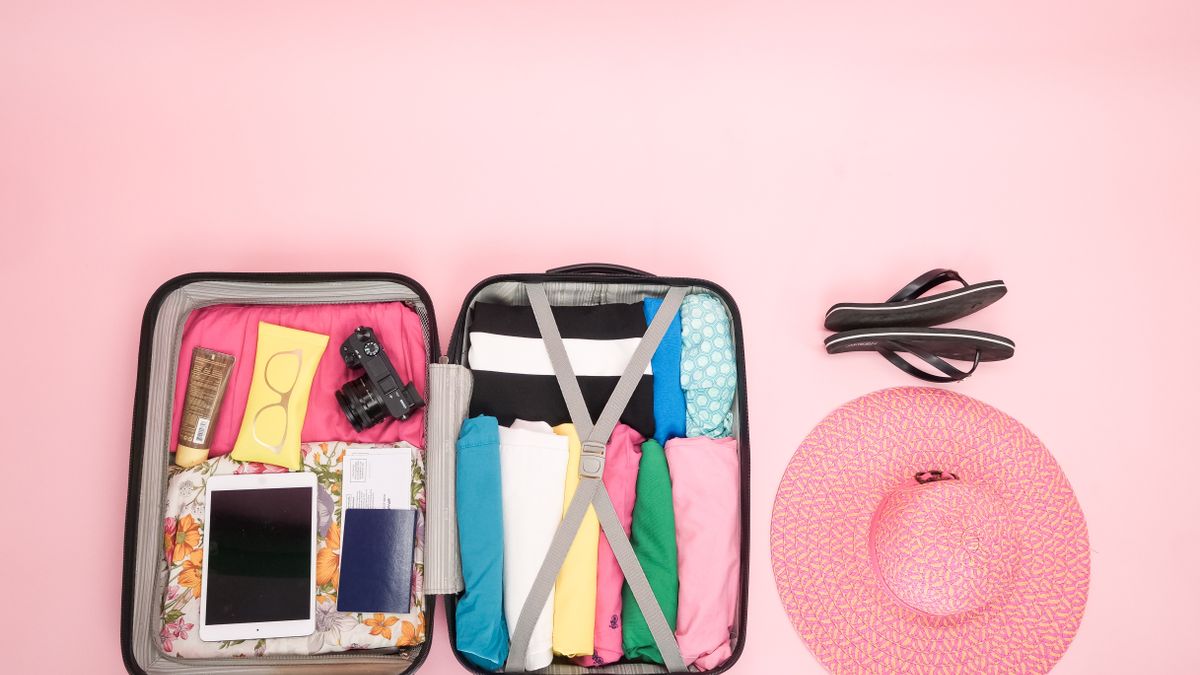
Humidity can make clothing take longer to dry, including workout wear and swim shorts. A plan that assumes washing a shirt in the sink each evening may fail if the fabric remains damp the following morning. In a humid destination, consider bringing enough fresh next-to-skin layers rather than relying on an unverified laundry routine. A breathable separation pouch helps organize worn clothing, but you should still dry anything wet when possible.
Footwear also deserves attention. Sandals may be comfortable by the pool but unsuitable for several hours on uneven streets. If you plan long walks, prioritize shoes that have already proved comfortable. A second pair of footwear is justified when there is a real dress code, rocky beach or water activity, not because it looks better in a packing photograph.
Sun and Rain Without the Bulky Gear
A hat and suitable sunscreen can be important for outdoor days; place them where you can actually reach them. If flying with liquids, check the relevant airport’s limits, including those for creams and sprays. A lightweight rain layer may earn its space during a forecast of scattered showers. Do not confuse a fashion overshirt with adequate protection for a serious outdoor route.
The best protective items are chosen from planned exposure. A long afternoon hiking in direct sun needs a different approach from walking a few blocks between air-conditioned buildings. Read the weather and activity guidance for the actual destination rather than using a generic summer lookbook as the sole source of planning.
Keeping Evening Clothes Presentable
A dinner outfit works best when it has been protected from the beach or daytime sweat. Keep a clean shirt separate from used clothes, and don’t store damp swimwear on top of it. Even a carefully chosen outfit can look poor if it comes out smelling stale or crushed under shoes. When you reach the accommodation, remove the evening item and hang it so it is ready when needed. For coordinating fewer versatile pieces, our men’s capsule wardrobe guide offers a useful framework.
The finishing details should be practical: clean shoes, a suitable belt if the trousers need one, and a groomed appearance appropriate to the venue. You rarely need a whole second wardrobe to look put together. You do need clothing that fits, is clean and meets the setting’s expectations.
Four Worked Packing Situations
Two nights in a city
Wear lightweight trousers and sneakers on the journey. Pack two tops, shorts, fresh essentials and a clean casual shirt for dinner. The goal is to be dressed comfortably for long walks and presentable for a planned restaurant without carrying an outfit for every possible invitation.
Beach and dinner combination

Pack swimwear and a dedicated pouch for wet items, but include dry clothes for restaurants and transit. Avoid leaving a wet swimsuit next to clean shirts. If the destination has dress expectations beyond beachwear, account for those before you leave. For the trip itself, our solo travel guide for men covers planning and practical logistics.
Outdoor activity day
An active day may justify quick-drying material and more functional footwear. Keep clothes suited to the actual route rather than adding equipment based on imagined adventures. Check sun exposure, terrain and water access; do not conflate fashionable summer outfits with technical outdoor gear.
Business-casual lunch in hot weather
A breathable polo or linen blend shirt and a tailored chino may work, depending on the venue. Review the meeting context and choose clean shoes. Heat is not a reason to ignore a professional dress code; it is a reason to choose appropriate fabrics and carry a spare undershirt.
The Final Pre-Departure Check
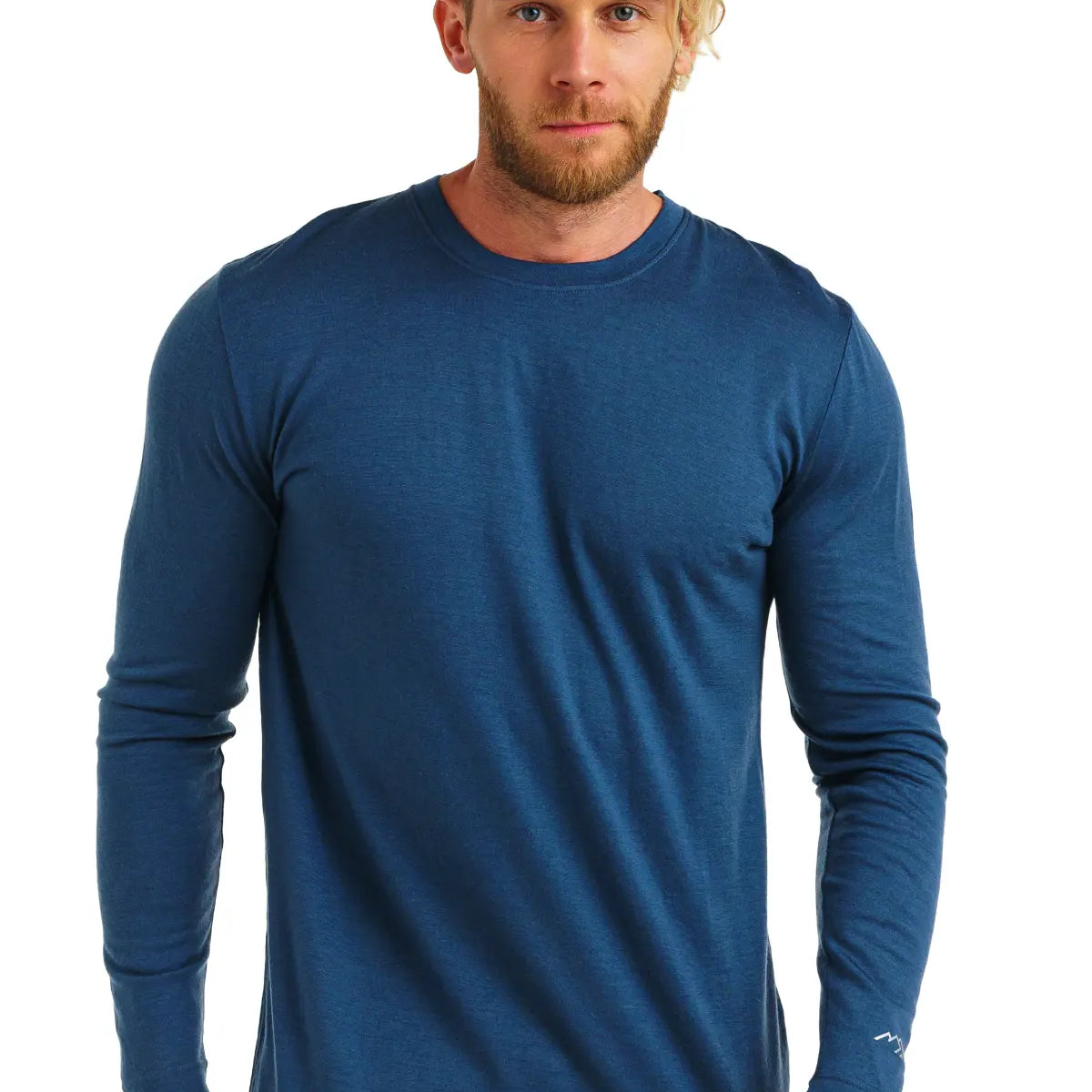
Optional example for this situation
Merino Tech Denim Blue Merino Long Sleeve 165
Merchant listed $49.99 USD on October 19, 2026. Check size, current price and stock.
A lightweight 165 gsm long sleeve can cover cooler mornings or an air-conditioned journey without adding a bulky second jacket. This denim-blue merino option is worth comparing with a cotton overshirt you already own. In hot, humid conditions a light woven layer may feel more comfortable, so do not assume wool is always the answer.
Lay out everything in one place and remove items with no specific purpose. Keep required documents, medication, valuables and electronics under your control and accessible. Test the bag’s zipper, weight and handling before leaving. Look at the first day’s agenda and make the first outfit easy to retrieve. The best packing arrangement works when you are tired at the other end, not only when you carefully fold it at home.
Frequently Asked Questions
How many shirts for a warm weekend?
For two or three days, plan from the itinerary and include an extra only if heavy sweat or activities justify it.
Are linen shirts practical for travel?
They are breathable but may crease; choose them when you accept that finish.
Do I need sandals?
Only if the beach, pool or another activity requires them.
Should I bring a jacket?
A lightweight rain or cool-room layer can be useful; heavy outerwear is usually unnecessary in consistent heat.
How do I keep clean shirts fresh?
Separate used clothes and allow damp garments to dry before sealing them.
The Bottom Line
Packing well means choosing what actually supports the trip. A bag that is lighter but omits essential documents or suitable clothing is not a success. A bag that has every imaginable backup but makes travel difficult is not a success either. Decide from the itinerary, keep the essentials accessible and accept that the best kit changes with the destination and the work you plan to do.
Affiliate Disclosure: This article contains affiliate links. Modern Men HQ may earn a commission if you purchase through them, at no additional cost to you. Read our full Affiliate Disclosure.