Strength training after 50 does not need to become timid.
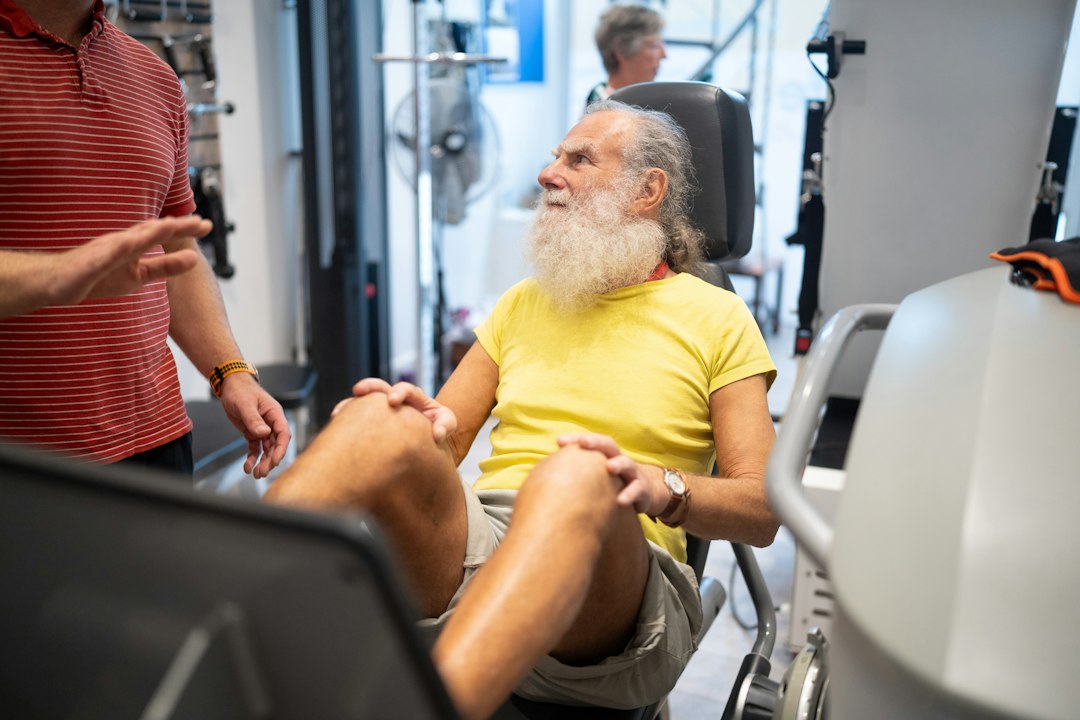
It does need to become more selective.
You still need enough resistance to challenge muscle.
You still need progressive overload.
You still need exercises that make you stronger.
The difference is that you get less benefit from repeatedly choosing movements your joints hate just because they looked good in someone else’s program.
The goal is to build strength you can keep using.
What Joint Friendly Actually Means
Joint friendly does not mean effortless.
It means the movement fits your current mobility, injury history, structure, and tolerance.
A joint friendly exercise can still be hard.
A split squat with dumbbells can be brutally difficult.
A machine press can train the chest hard.
A trap bar deadlift can build serious strength.
The phrase simply means the exercise lets you load the target muscles without repeatedly provoking unnecessary joint pain.
Pain Is Not the Same as Effort
A working muscle can burn.
A hard set can feel uncomfortable.
Breathing can become heavy.
Those are normal signs of effort.
Sharp pain inside a joint is different.
So is a sudden catch, instability, or a pain that worsens every set.
Do not turn joint pain into proof that you are training hard.
If one variation repeatedly hurts, change it.
Your body does not care that the exercise has a famous name.
Start With Patterns, Not Exercises
Think in movement patterns.
Squat.
Hinge.
Push.
Pull.
Carry.
Rotate or resist rotation.
Then choose the version of each pattern that feels best.
For a squat pattern, that might be a goblet squat, leg press, box squat, or split squat.
For a press, it might be push ups, a machine press, dumbbells, or landmine pressing.
For a hinge, it might be Romanian deadlifts, hip thrusts, cable pull throughs, or trap bar deadlifts.
The pattern matters.
The exact tool is negotiable.
Use Machines Without Apology

Machines are useful.
They provide stability.
That can make it easier to load a muscle without requiring as much balance or joint control.
For men over 50, that can be a strength rather than a weakness.
A chest press machine may let you train hard without worrying about a shoulder position that feels unstable under a barbell.
A leg press may let you load the legs without needing the ankle or hip mobility required for a deep barbell squat.
Free weights are useful too.
This is not a team sport.
Use the equipment that helps you train consistently.
Dumbbells Give You More Freedom
Dumbbells allow each arm to move independently.
That can feel better for shoulders and elbows.
A neutral grip dumbbell press often feels more comfortable than a fixed straight bar.
Single arm rows can be adjusted around shoulder position.
Split squats with dumbbells let you change stance naturally.
The extra freedom does not make dumbbells automatically safer.
Technique still matters.
It simply gives you more ways to find a comfortable path.
Consider the Trap Bar for Hinge Training
Traditional deadlifts are not mandatory.
A trap bar can make the hinge pattern easier to learn for some people.
The load sits closer to the body’s center.
The handles may be higher.
You can often keep the torso more upright.
That does not make the exercise risk free.
It makes it one option.
If the trap bar feels good and lets you train the legs and hips hard, use it.
If another hinge feels better, use that instead.
Landmine Pressing Can Be Shoulder Friendly
Some shoulders dislike vertical overhead pressing.
Landmine presses use a diagonal pressing path.
That can feel more comfortable because the arm moves between horizontal and vertical.
You can perform them standing, half kneeling, or with one arm.
They also let the shoulder blade move naturally.
If overhead pressing feels consistently painful, a landmine press is one variation worth trying before deciding all pressing is off limits.
Rows Should Be a Staple
Rows train the upper back, rear shoulders, and arms.
They also complement pressing.
Chest supported rows are especially useful because they reduce lower back fatigue.
Cable rows provide adjustable grip options.
One arm dumbbell rows are simple and effective.
Choose a grip that feels comfortable at the wrists and elbows.
The goal is controlled shoulder blade movement, not heaving the weight with the entire body.
Use Split Squats for Single Leg Strength
Split squats train the legs without requiring huge external loads.
They also expose side to side differences.
Start with bodyweight.
Use support if balance is the limiting factor.
Then add dumbbells.
You can adjust stance length and torso angle to find a comfortable pattern.
If the front knee feels irritated, change the range, step length, or exercise.
Do not assume one setup is correct for everyone.
What About Knee Pain?
- Reduce range temporarily
- Use a box or leg press
- Change foot position
- Slow the tempo
- Lower the load and rebuild gradually
Knee pain does not automatically mean stop training the legs. If training discomfort is hard to classify, our joint pain vs muscle soreness guide gives you a clearer decision framework.
It means the loading strategy may need adjustment.
Reduce range temporarily.
Use a box.
Try a leg press.
Change foot position.
Use slower tempo.
Lower the load.
Build capacity gradually.
If pain is sharp, swollen, unstable, or persistent, get it assessed.
Training around a manageable issue is different from ignoring an injury.
What About Shoulder Pain?
The same principle applies.
Change grip.
Use dumbbells.
Try neutral grip pressing.
Use a machine.
Reduce range.
Add controlled pulling.
Avoid repeatedly forcing the exact angle that hurts.
Persistent shoulder pain, night pain, weakness, or pain after a specific injury deserves professional evaluation.
A movement modification is useful.
It is not a diagnosis.
Warm Up for the Movements You Are Doing
You do not need a 25 minute warm up.
Start with several minutes of easy movement.
Then use lighter versions of the first exercise.
If you are leg pressing, start with easy sets.
If you are rowing, use a lighter row first.
If one joint consistently needs a mobility drill, include it.
The warm up should make the workout better.
It should not become the workout.
Train Two to Four Days Per Week
Two full body sessions can work extremely well.
Three sessions give you more room to distribute volume.
Four sessions can work if you prefer shorter workouts.
The correct frequency is the one that lets you recover.
Current physical activity guidance recommends muscle strengthening work on at least two days per week.
That is a floor.
You can do more when recovery and schedule allow.
Use Repetition Ranges That Feel Good
You do not need to live in sets of five.
Moderate repetition ranges often feel better on joints.
Eight to fifteen repetitions works well for many exercises.
Some isolation movements can go higher.
Heavy lower repetition work can still fit when technique and tolerance are good.
Do not use a repetition range as an identity.
Use it as a tool.
Stop Short of Failure Most of the Time
Training to failure can be useful.
It is not necessary on every set.
Leaving one to three good repetitions in reserve often gives you plenty of stimulus with less technical breakdown.
That matters especially on compound exercises.
Push a machine curl harder if you want.
You do not need every deadlift set to become a survival test.
Consistency beats drama.
Volume Should Be Recoverable
More sets are not automatically better.
A useful program gives the muscles enough work to adapt without creating soreness and joint irritation that ruin the next session.
Start with fewer work sets.
Add volume only when the current amount is easy to recover from.
This is especially important when you are returning after a long break.
Do not resume the volume you handled five years ago on day one.
Earn it back.
Protein Supports the Work
Strength training needs nutrition behind it.
Protein supports muscle maintenance and growth.
Build meals around reliable protein sources.
Eggs.
Dairy.
Fish.
Poultry.
Lean meat.
Beans.
Lentils.
Tofu.
Other options that fit your diet.
Older adults may benefit from paying more deliberate attention to protein intake because maintaining muscle becomes increasingly important.
You do not need a perfect number at every meal.
You need enough consistently.
Sleep Is a Training Variable
Poor sleep affects recovery, energy, motivation, pain sensitivity, and performance.
If sleep falls apart, training quality usually follows.
Do not respond by adding more stimulants and forcing the same workload.
Adjust the week.
Keep the habit.
Use a lighter session if needed.
Then return to progression when recovery improves.
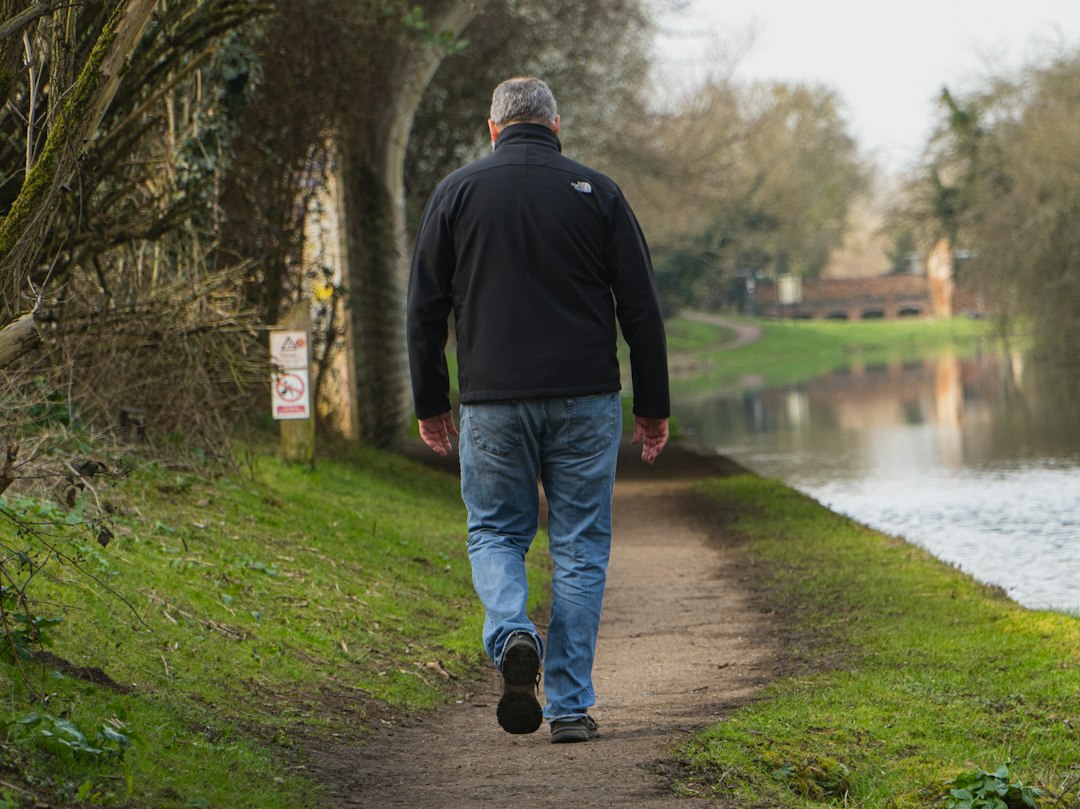
Cardio Helps Your Joints Too

Aerobic work supports circulation, work capacity, body weight management, and general health. Our cardio fitness after 40 guide covers low impact conditioning options in more detail.
Walking is the simplest option.
Cycling and swimming provide lower impact alternatives.
You do not need to choose between cardio and strength.
Use both.
Better aerobic fitness can also make strength sessions easier to recover from.
A Simple Two Day Joint Friendly Program
Day One
Goblet squat or leg press
Neutral grip dumbbell press
Chest supported row
Romanian deadlift
Farmer carry
Plank
Day Two
Split squat or step up
Landmine press
Lat pulldown
Hip thrust
Cable row
Side plank
Use two to four work sets depending on experience.
Choose a repetition range that keeps form clean.
Progress gradually.
When to Change an Exercise
Change the exercise when pain keeps recurring, technique breaks down because the movement does not fit you, or progress has stalled despite good recovery.
Do not change exercises every week out of boredom.
Give useful movements time.
The sweet spot is enough consistency to improve without becoming loyal to something that clearly does not suit you.
Frequently Asked Questions
Are squats bad for knees after 50?
No. Squat patterns can be useful. The appropriate variation, range, and load depend on the person.
Should men over 50 avoid deadlifts?
No. Hinge training is valuable. Choose a deadlift or hinge variation you can perform well.
Are machines better than free weights?
Neither is universally better. Machines offer stability, while free weights offer more movement freedom.
How often should I lift after 50?
Two to four sessions per week works well for many men.
Should I train through joint pain?
Do not repeatedly push through sharp or worsening pain. Modify the movement and get persistent problems assessed.
Can I still build muscle after 50?
Yes. Resistance training and adequate nutrition can build muscle and strength at older ages.
The Bottom Line
Joint friendly strength training is not weaker training.
It is smarter exercise selection.
Keep the patterns.
Change the tools.
Use enough load to improve.
Avoid movements that repeatedly punish the same joint.
Recover well enough to come back.
Your best program is not the one that looks hardest on paper.
It is the one you can still progress next year.
Sources reviewed for this article: CDC physical activity recommendations; National Institute on Aging exercise guidance; American College of Sports Medicine resistance training principles.