“Improve blood flow” is one of the most common promises in men’s wellness marketing.
It is vague enough to sound scientific and broad enough to attach to almost anything.
Exercise actually does influence cardiovascular fitness, blood vessel function, blood pressure, metabolic health, and sexual function.
The useful question is what those changes mean in real life.
Better circulation is not one switch.
It is the result of a cardiovascular system that becomes more capable over time.
How Blood Flow Works
The heart pumps blood through arteries.
Blood vessels expand and contract to help regulate flow and pressure.
The endothelium, a thin layer of cells lining blood vessels, plays an important role in that regulation.
Nitric oxide is one of the signaling molecules involved in blood vessel relaxation.
This is why exercise, endothelial function, and nitric oxide often appear together in cardiovascular research.
It is also why supplement companies use the language.
The biological system is real.
That does not mean every product claiming “nitric oxide support” produces the same effect as regular training.
Aerobic Exercise Trains the Cardiovascular System
Walking, cycling, swimming, running, rowing, and other aerobic activities repeatedly ask the heart and blood vessels to deliver more oxygen to working muscles.
Over time, the body adapts.
The heart can become more efficient.
Muscles become better at using oxygen.
Blood vessel function can improve.
Resting heart rate may decrease.
Blood pressure can improve in many people.
This is actual cardiovascular training.
It does not require a proprietary formula.
Start With Walking
Walking is underestimated because it looks ordinary.
That is exactly why it works.
You can do it often.
Recovery demand is low.
It does not require equipment.
You can scale duration and pace.
If you are inactive, start with ten or twenty minutes.
Walk fast enough that breathing increases but conversation remains possible.
Then add time.
Then add pace.
Consistency matters more than making the first week impressive.
Use Cycling When Joints Need Less Impact

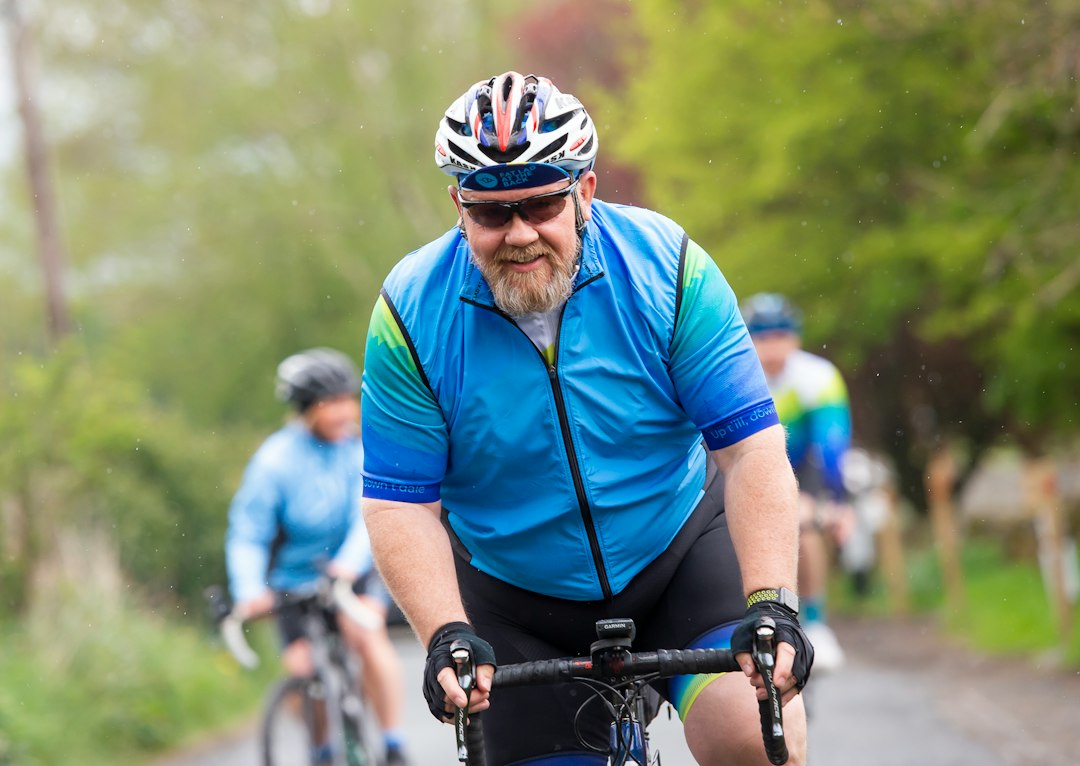
Cycling is useful when you want more cardiovascular work without repeated impact from the ground.
Stationary bikes make intensity easy to control.
Increase resistance.
Increase cadence.
Increase duration.
Intervals can be added later.
Bike fit matters.
A poor saddle position can make knees, hips, or back uncomfortable.
If the setup feels wrong, adjust it before deciding cycling does not suit you.
Strength Training Helps Too
Strength training is not only about muscle size.
It challenges the cardiovascular system differently.
It improves muscular capacity, supports body composition, and can improve insulin sensitivity.
Those changes matter to vascular health.
Resistance training also supports the ability to perform daily work with less relative effort.
A stronger body needs a smaller percentage of its maximum capacity to handle normal tasks.
That creates physical reserve.
Exercise and Blood Pressure
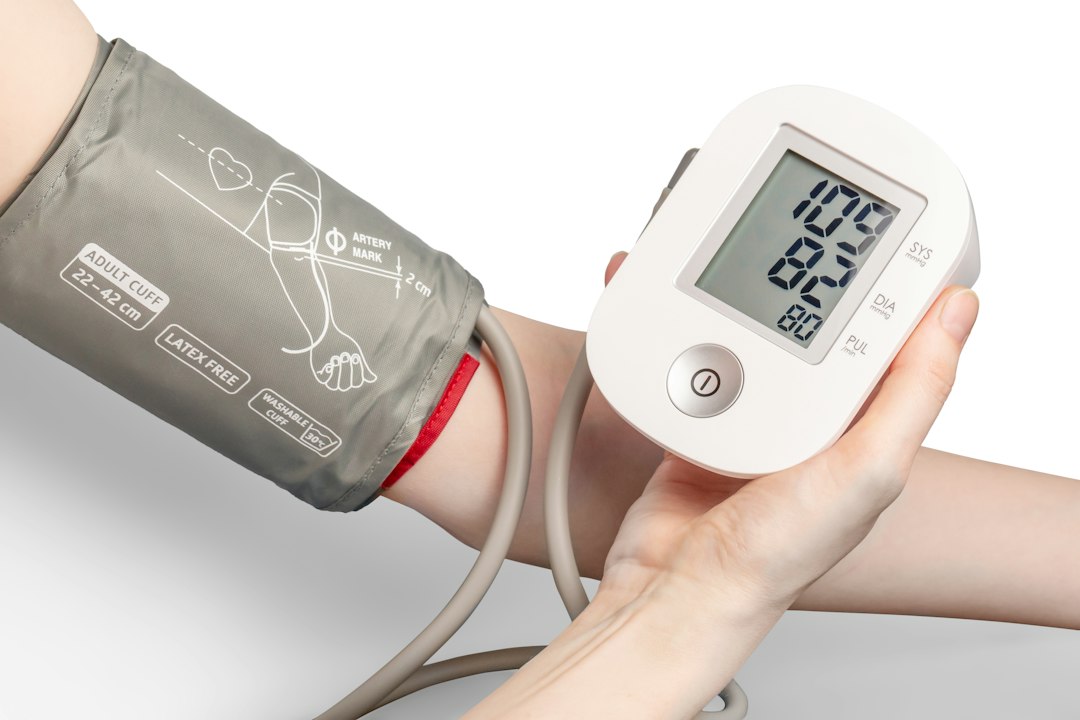
Regular physical activity can help lower blood pressure.
The effect varies between people.
Exercise does not replace medication when medication is needed.
It works alongside other factors such as diet, body weight, sodium intake, alcohol, sleep, and medical treatment.
If you have very high blood pressure or cardiovascular disease, discuss exercise intensity with a healthcare professional.
The goal is building capacity safely.
Exercise and Erectile Function
An erection depends partly on blood flow.
That creates a real link between cardiovascular health and sexual function.
Research has found associations between physical activity and erectile function, especially when vascular risk factors are involved.
That does not mean a jog works like an erectile dysfunction drug.
It means the systems overlap.
Conditions that damage blood vessels can affect the penis too.
High blood pressure.
Diabetes.
Smoking.
Atherosclerosis.
Obesity.
Low activity.
Improving cardiovascular health can therefore support sexual health as part of a broader picture.
Erectile Dysfunction Can Be a Health Signal
Persistent erectile dysfunction deserves attention.
It can sometimes appear alongside cardiovascular risk.
Do not panic.
Do not assume every difficult erection predicts heart disease.
But do not treat a persistent change as purely a bedroom problem either.
A clinician can review blood pressure, cholesterol, blood sugar, medications, hormones, smoking, sleep, mental health, and other factors.
That evaluation gives you more information than buying a blood flow supplement first.
Nitric Oxide Supplements vs Exercise
Products containing L citrulline, L arginine, beetroot, and other ingredients are often marketed around nitric oxide.
Some ingredients have research behind them in specific contexts.
But a supplement and an exercise program are not equivalent.
Exercise changes multiple systems.
Cardiac output.
Muscle oxygen use.
Insulin sensitivity.
Body composition.
Blood pressure.
Endothelial function.
Aerobic capacity.
Mood.
Sleep.
A supplement may influence one pathway.
Training changes the environment around the pathway.
That is a major difference.
What About Beetroot?
Beetroot contains nitrate.
The body can convert dietary nitrate through pathways that eventually contribute to nitric oxide production.
This is why beetroot is used in sports performance research.
Some athletes use beetroot juice or concentrated products before endurance events.
That is different from claiming beetroot permanently fixes poor circulation.
It can be one dietary tool.
It does not replace aerobic fitness.
What About L Citrulline?
L citrulline can increase arginine availability and is commonly used in pre workout and circulation focused supplements.
Some research has explored its effects on blood pressure, exercise, and erectile function.
The evidence depends on the outcome, dose, and population.
If you use medication affecting blood pressure or erectile function, discuss supplements with a healthcare professional.
Stacking several vasodilating products without considering interactions is not a smart experiment.
Smoking Directly Works Against the Goal
If the goal is healthier blood vessels, smoking matters more than a nitric oxide supplement.
Smoking damages the cardiovascular system and is associated with erectile dysfunction.
Quitting is difficult.
It also has an unusually broad payoff.
If sexual performance gives you another reason to stop, use that reason.
The motivation does not need to sound noble.
It needs to be strong enough to change behavior.
Alcohol Can Work Against Performance
Small amounts of alcohol may reduce inhibition.
Larger amounts can interfere with erection quality and sexual performance.
Regular heavy use also affects blood pressure, sleep, body weight, and broader cardiovascular health.
If performance problems are worse after drinking, listen to the pattern.
Do not try to counteract alcohol with another product.
Reduce the factor creating the problem.
Sleep Affects the System
Sleep influences energy, appetite, blood pressure, stress, hormone regulation, and training recovery.
Sleep apnea is especially relevant for men.
It is associated with cardiovascular risk and can contribute to daytime fatigue and sexual health problems.
Loud snoring, gasping, witnessed pauses in breathing, or severe daytime sleepiness deserve evaluation.
A supplement cannot outwork repeatedly poor sleep.
Body Weight and Metabolic Health
Excess abdominal fat often travels with insulin resistance, high blood pressure, abnormal lipids, and lower fitness.
Those factors affect vascular health.
Weight loss is not required for every man.
When it is appropriate, even modest changes can improve several risk factors together.
Use sustainable habits.
Protein.
Fiber.
Regular activity.
Strength training.
Adequate sleep.
A calorie intake you can maintain.
Crash diets create a different problem.
Stress and Performance Anxiety Matter Too
Not every erection problem is vascular.
Anxiety can interfere with sexual response even when the cardiovascular system is healthy.
One difficult experience can create worry about the next one.
Then the worry becomes part of the problem.
Exercise can help stress and mood, but it does not automatically solve performance anxiety.
Communication and counseling may matter more in that situation.
Do not reduce every sexual issue to blood flow.
How Much Exercise Do You Need?
Current guidelines recommend at least 150 minutes of moderate intensity aerobic activity per week for adults, or an equivalent amount of vigorous activity, plus muscle strengthening on at least two days.
That is a useful target.
You can split it into smaller sessions.
Thirty minutes on five days.
Three ten minute walks in a day.
Two longer weekend sessions plus shorter weekday work.
The structure matters less than accumulating enough movement.
A Simple Weekly Blood Flow Fitness Plan
- Monday: Full body strength
- Tuesday: 30 to 40 minute brisk walk
- Wednesday: Easy movement or rest
- Thursday: Full body strength plus short cycling
- Friday: 30 minute walk
- Saturday: Longer cardio session you enjoy
- Sunday: Easy recovery movement
Monday: Full body strength.
Tuesday: 30 to 40 minute brisk walk.
Wednesday: Easy movement or rest.
Thursday: Full body strength plus 15 minutes of cycling.
Friday: 30 minute walk.
Saturday: Longer cardio session you enjoy.
Sunday: Easy recovery movement.
That plan is not special.
It simply covers strength and aerobic work repeatedly.
The body adapts to what you repeat.
What to Track

Resting heart rate.
- Blood pressure when relevant.
- Walking pace.
- Cycling output.
- Waist circumference.
- Strength benchmarks.
- How difficult stairs feel.
- How quickly you recover after exercise.
Those markers show whether cardiovascular capacity is improving.
You do not need a specialized circulation score.
What Exercise Cannot Guarantee
Exercise cannot guarantee a specific erection.
It cannot eliminate every cardiovascular risk.
It cannot replace medical treatment when disease is present.
It cannot fix a structural problem.
It cannot diagnose low testosterone.
It cannot remove all anxiety.
What it can do is improve several systems that influence male performance and long term health.
That makes it one of the highest value habits available.
Frequently Asked Questions
Does cardio improve blood flow?
Aerobic exercise trains the cardiovascular system and can improve blood vessel function and fitness over time.
Can strength training help circulation?
Yes. Resistance training supports cardiovascular and metabolic health in addition to building muscle.
Does better fitness improve erectile function?
It can support erectile function, especially when vascular risk factors are involved, but ED has many possible causes.
Are nitric oxide supplements necessary?
No. Some ingredients may have specific effects, but supplements are not required to improve cardiovascular fitness.
How quickly can fitness improve?
Some changes begin within weeks, but meaningful improvements depend on starting fitness, consistency, intensity, sleep, and other factors.
When should erectile problems be checked?
When they persist, represent a significant change, or occur alongside other health concerns.
The Bottom Line
Blood flow is not a marketing phrase you need to outsource to a supplement.
Train the system that moves blood.
Walk.
Cycle.
Swim.
Lift.
Control blood pressure.
Do not smoke.
Sleep.
Manage metabolic health.
Then use supplements, if you use them at all, as additions rather than substitutes.
Better cardiovascular fitness gives you something broader than one performance benefit.
It gives you more physical capacity across your entire life.
Sources reviewed for this article: American Heart Association physical activity guidance; CDC cardiovascular and physical activity information; National Institute of Diabetes and Digestive and Kidney Diseases information on erectile dysfunction.