Affiliate disclosure: Modern Men HQ may earn a commission if you purchase My Shed Plans through links in this article.
If you are new to shop projects, begin with our weekend woodworking guide before comparing kits.
A shed kit removes decisions. Building from plans gives you control. Neither is automatically cheaper or easier once delivery, site work, tools, modifications, and your own time are included.
Why choose a kit?
A kit can simplify material sourcing and may include precut or preselected components. That reduces planning and can make the build sequence easier for a first time builder.
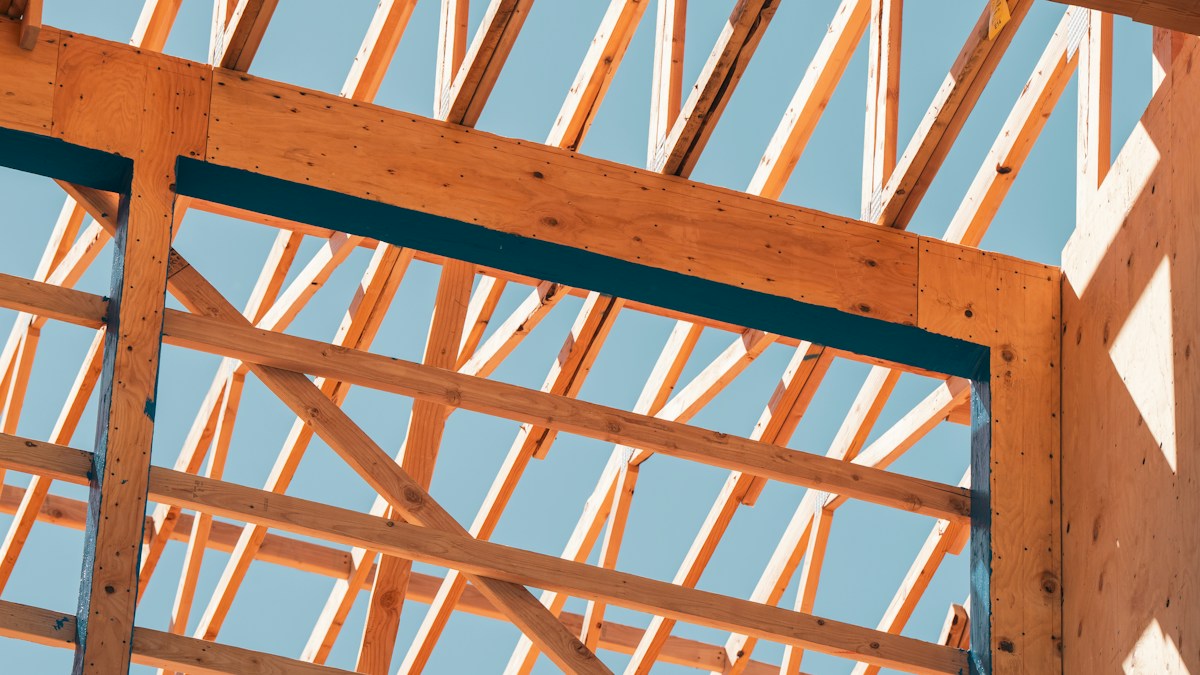
Why build from plans?
Choosing among complete plans can give you more control over dimensions, layout and finishes. Moving openings or changing materials, spans, foundations or roof structure can affect structural performance; a purchased plan is not permission to make those changes without qualified review. They are better when the site or purpose does not match standard kit sizes.
Compare the full cost
For a kit, include delivery, foundation, roofing if excluded, paint, anchors, permit cost, and tools. For a plan build, include lumber, sheet goods, hardware, waste, delivery, and the time required to source and cut everything.
Which route is easier?
A well designed kit usually reduces decision load. A plan build requires more measuring, sourcing, cutting, and adaptation.
Where My Shed Plans fits
If customization and design choice matter, My Shed Plans is a paid plan-library option to evaluate. Check the current contents, sample plans, specifications and seller terms rather than assuming that a large archive will include a suitable design.
Ask what is actually included before comparing prices
For a kit, ask the supplier for a complete packing list and identify what is excluded. Roofing, flooring, anchors, foundations, weatherproofing, doors, hardware, delivery and assembly equipment can all change the real price. Check how damaged or missing parts are handled and whether replacement parts are available. For a plan-built shed, request a complete materials schedule and check local availability before assuming it will cost less.
Compare the demands on your time and skills
A kit reduces some design and sourcing work, but you still need a suitable site, a compliant foundation and competent assembly. A plan-built shed gives more control, but also makes you responsible for coordinating material quantities, deliveries and construction stages. Neither route removes the need to verify structural suitability, local permits, setback rules and electrical requirements when relevant.
A practical supplier comparison
Before comparing final prices, work through our backyard shed planning checklist to establish the required footprint, access, drainage questions and local approval constraints for your site.
Record the usable interior dimensions, door clearance, roof and floor specifications, site preparation, delivered price, excluded components, estimated professional work and the support available after purchase. Compare the same completed outcome, not a kit advertised price against a lumber-only estimate. If the location is unusual or you want to change structural openings, have the design evaluated by a qualified local professional before ordering.
The Modern Men HQ standard
Choose the route that reduces the kind of uncertainty you are least equipped to handle. Convenience has value. So does control.