Modern Men HQ may earn a commission if you buy through links in this article. That does not change our assessment or what you pay.
If you are considering building a tiny house yourself, Tiny House Made Easy has one obvious appeal: it puts a large amount of beginner focused planning material in one place for a relatively low one time price. The current ClickBank checkout we verified lists the digital product at $47, and the merchant advertises a 60 day money back guarantee.
That makes it easy to compare with a weekend workshop, a consultant, or buying several separate planning books. The harder question is whether a $47 digital package should be trusted with decisions that affect structural safety, zoning, electrical work, plumbing, trailers, permits, and thousands of dollars in materials.
Our view is simple. Tiny House Made Easy can be useful as an orientation package for a motivated beginner. It is not a substitute for current local building codes, engineering advice, permit requirements, or a licensed professional when your project calls for one.
Quick Verdict
Tiny House Made Easy is most defensible as a planning and education product, not as an all authority building manual.
The value is strongest if you are still trying to understand the sequence of a tiny house project: choosing a trailer or foundation, planning the layout, thinking about storage, estimating tools, and avoiding obvious beginner mistakes. The program also includes floor plans and several digital bonuses that can save research time.
The weak point is the sales language. The merchant makes broad statements about avoiding expensive mistakes, finding land, navigating zoning, and using what it calls loopholes. Rules for tiny houses vary by jurisdiction, and model code provisions only matter where a local authority has adopted them. A digital guide cannot know the requirements of your city, county, state, province, or country.
For $47, that limitation does not make the guide useless. It simply changes what the product should be used for.
What is Tiny House Made Easy?
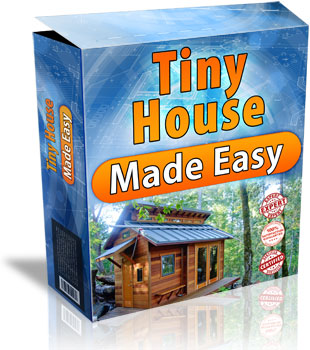
Tiny House Made Easy is a digital training package sold through ClickBank. The sales page attributes the program to Adam Ketcher, who says he has spent about 20 years building tiny houses and has worked on more than 300 projects. The program is positioned as a step by step guide for people who want to build a tiny house without hiring a builder for every part of the process.
The merchant says the package covers topics such as:
- planning a tiny house layout
- choosing tools and materials
- trailer selection for mobile tiny houses
- storage and space planning
- electrical options
- land, zoning, and permitting considerations
- avoiding common construction mistakes
- floor plans from previous builds
It is delivered digitally, so there is no printed book or physical kit in the base purchase. The important distinction is that this is educational material. You are buying information, examples, and plans. You are not buying engineering drawings stamped for your jurisdiction, a permit service, construction supervision, or a guarantee that a specific plan will be legal where you live.
What do you get for $47?
Before choosing a plan library, compare how other downloadable DIY plans handle the distance between instructions and an actual build.
The current ClickBank checkout we checked on October 8, 2026 showed a $47 subtotal for the digital product. The merchant page also lists several bonuses. These include a collection of tiny house floor plans and a trailer focused guide, along with additional material around planning and building.
At this price, the package is competing less with professional advice and more with books, video courses, paid plan libraries, and the time you would otherwise spend collecting scattered information yourself. That is the right comparison. A building consultant can cost far more, but a consultant also gives project specific advice. Tiny House Made Easy does not. A free YouTube playlist can cost nothing, but you have to judge the quality of each creator and organize the information yourself.
The practical value of this package is convenience. It gives you a structured starting point.
The seller-linked ClickBank item displayed a $47 subtotal, with $0 tax in the tested checkout context; your location’s total may differ.
| What you get | What remains your responsibility |
|---|---|
| A digital program with designs and bonus references | Site-specific structural engineering and professional review |
| Floor-plan ideas and suggested materials | Local zoning, permit and occupancy approval |
| Beginner-friendly project sequences | Accurate site conditions, trades, utilities and budget |
The part of the sales page you should not take literally
The sales page makes some claims that deserve more caution than the promotional copy gives them. It talks about avoiding huge mistakes, finding inexpensive land, and using lesser known approaches to zoning and parking. Those ideas may be useful as prompts for further research, but they are not universal rules.
Tiny house legality depends on factors such as whether the home is on a foundation or trailer, whether it is treated as a dwelling or recreational vehicle, local minimum dwelling standards, setbacks, utility connections, occupancy rules, and adopted building codes. The International Residential Code contains provisions and appendices that can apply to tiny houses, but local adoption matters. An appendix in a model code does not automatically become law everywhere.
Before spending money on a trailer, framing package, windows, plumbing, or electrical materials, confirm the rules with the authority having jurisdiction where the house will actually sit. That should happen before you rely on any online plan.
Are the floor plans useful?
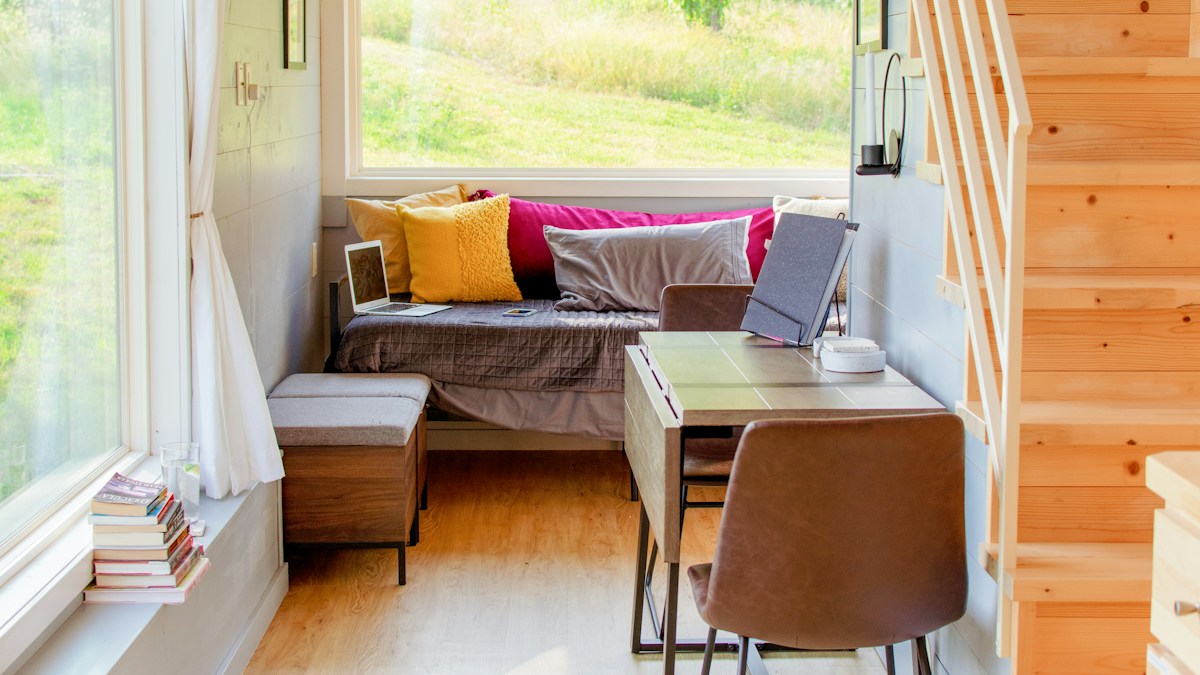
They can be useful for layout ideas and early planning. A floor plan can help you think through bed placement, kitchen clearance, storage, bathroom access, stairs or ladders, windows, and how much open space remains once furniture is added. What it cannot automatically tell you is whether the design satisfies your local structural, fire, egress, energy, snow load, wind load, seismic, electrical, or plumbing requirements.
That matters because tiny houses compress many building systems into a small space. A design that looks efficient on paper can create problems once real wall thickness, insulation, wiring, plumbing, ventilation, appliances, and required clearances are added. Use the plans as references. Do not treat them as permit ready simply because they are included in a paid package.
Where the program can save a beginner time
A first time builder often loses time before construction starts. The hard part is not only cutting lumber. It is deciding what to build, how heavy it can be, what systems it needs, which tools are necessary, how much storage is realistic, and what work must be inspected. A structured guide can help by giving you a checklist of decisions you did not know you needed to make.
That is where Tiny House Made Easy makes the most sense. If a $47 guide helps you catch one planning mistake before you order materials, it can pay for itself. The same is true if it gives you enough context to ask a contractor, engineer, electrician, or local building official better questions.
Information has value when it improves the next decision.

Where the program is not enough
Our backyard shed planning guide offers another practical example of checking local requirements before purchasing materials.
There are four areas where we would not rely on this package alone.
Structural design
Loads vary by location and by the exact shape and materials of the house. A mobile tiny house also introduces weight distribution and road safety questions. Get qualified input when the design requires it.
Electrical and plumbing
Mistakes can create fire, shock, leak, sanitation, and insurance problems. Local codes and inspection requirements matter.
Zoning and legal placement
A strategy described in a digital guide may not be legal where you live. Verify land use rules before buying land or committing to a parking arrangement.
Cost estimates
Material prices change. So do labor rates, permit fees, utility connection costs, trailer prices, and delivery expenses. Treat any fixed dollar example in a course as an illustration, not a budget.
How Tiny House Made Easy compares with free information
There is enough free tiny house information online to learn almost anything in the program. That does not mean a paid guide has no value. The advantage of free information is breadth. You can watch builders document real projects, read code guidance, compare systems, and find specialists. The disadvantage is fragmentation. One video may cover trailers, another framing, another composting toilets, another solar, and none may apply to the rules where you live.
A paid guide is valuable when it provides a coherent sequence. It is not valuable merely because the information is behind a checkout page. Tiny House Made Easy appears strongest as a roadmap. You still need current, location specific sources around it.
Who should consider it?
It may make sense for you if:
- you are in the early planning stage
- you want a structured overview before buying materials
- you are comfortable verifying local rules independently
- you understand that some work may require licensed professionals
- $47 is reasonable for saving several hours of research
It is less suitable if:
- you expect permit ready drawings
- you want an engineer to certify a design
- you need advice specific to your property
- you are looking for guaranteed ways around zoning rules
- you want someone else to manage the build
Refund policy
The merchant advertises a 60 day, no questions asked money back guarantee. Because it is sold through ClickBank, keep your order confirmation and read the current checkout terms before paying. Refund rules can change, and the checkout terms are more important than screenshots or third party reviews.
A refund policy lowers the financial risk of inspecting the material. It does not lower the construction risk of following advice that is not appropriate for your location.
Our buying test
The same project budgeting questions apply to self-sufficiency projects where the manual is only one part of the total expense.
We use a simple test for low cost digital guides: does the product provide enough structure or information to improve a real decision? Tiny House Made Easy probably clears that bar for a complete beginner. The price is modest relative to a building project. The subject is complex enough that a structured overview has real value. And there are tangible deliverables rather than only motivational videos.
But we would buy it for planning, not authority. If the program tells you to consider a particular trailer, zoning strategy, electrical setup, or layout, the next step should be verification. That mindset keeps the guide useful without giving it more authority than it deserves.
Final verdict
Tiny House Made Easy is a reasonable $47 research and planning package for a beginner who wants to understand the moving parts of a tiny house build. The program becomes a bad buy only if you expect it to replace local building officials, current code research, engineering, or licensed trade work.
Use it to organize your thinking. Use professionals and local authorities to validate the decisions that can affect safety, legality, insurance, and a large amount of money. That is the distinction that matters.
Frequently Asked Questions
How much does Tiny House Made Easy cost?
The ClickBank checkout we verified on October 8, 2026 showed a $47 subtotal for the digital product. Check the live checkout before buying because pricing can change.
Is Tiny House Made Easy a physical book?
No. The merchant describes it as a digital product with immediate access after purchase.
Does it include tiny house floor plans?
Yes. The merchant says floor plans are included among the program materials and bonuses. Treat them as planning references unless a qualified professional confirms they are suitable for your project and jurisdiction.
Can the guide tell me whether a tiny house is legal where I live?
Not reliably. Zoning, occupancy, trailer, and building requirements are local. Verify the rules with your local authority before buying land or beginning construction.
Is there a refund guarantee?
The merchant currently advertises a 60 day money back guarantee. Read the current ClickBank terms at checkout.
Visit the Official Product Page
Sources reviewed: seller’s official Tiny House Made Easy page; International Code Council tiny house guidance. Offer terms checked October 8, 2026.