A pair of leather dress shoes can look polished and still announce every step you take. Sometimes the noise begins only on a smooth office floor. Sometimes it comes from the inside of the shoe after a wet commute. And occasionally a squeak that seems harmless is the first sign that two parts of the sole are moving when they should not.
The wrong response is to pour a household product into the shoe or attack the outsole with sandpaper before you know where the sound originates. A squeak is a symptom, not a diagnosis. You need to distinguish friction against the floor, rubbing between interior components and possible structural problems.
Start with a clean, dry inspection. Compare one shoe with the other, walk on two different safe surfaces and listen for whether the noise follows the floor or the shoe. If it appears inside a wet shoe, let the footwear dry naturally before trying anything else. If the sole is loose, cracked or separating, stop and consult a cobbler rather than hiding the problem with a quick hack.
Where does the squeaking sound come from?
Several surfaces can create noise when they rub together. The outsole may squeak against a smooth floor, the tongue may rub the facing or laces, the insole may shift against the inside of the shoe, or moisture may change how internal materials move. A loose sole can make a similar sound, but it is a more serious problem because the shoe’s structure may be compromised.
Do not assume every squeak has the same fix. A noise on polished tile but not carpet points toward contact with the floor, while a squeak that continues on different surfaces may come from inside the shoe. A sound near the heel may have a different cause from one under the ball of the foot.
Keep the diagnosis gentle. Your goal is to identify the area, not force the shoe to squeak as loudly as possible by twisting its sole or bending it beyond normal walking movement.
How to find the source of a shoe squeak

Begin by checking whether both shoes squeak or only one. Walk slowly on a clean, dry indoor surface, then compare on a different safe surface. Notice whether the noise occurs when the heel lands, the forefoot bends or the shoe leaves the floor. Avoid slippery tests that increase your risk of falling.
Take each shoe off and inspect the sole edges, heel attachment, stitching and visible joins. Press lightly around a removable insole or shoe tongue if the design allows. Look for gaps, peeling, cracks, trapped grit and damp patches. Do not pry apart glued layers to confirm a suspicion.
If the sole is lifting or the heel feels unstable, that is enough reason to stop home experiments. A cobbler can assess the bond and whether the shoe is safe to keep wearing. Noise alone is not always dangerous, but noise together with visible separation deserves attention.
| Where it squeaks | Possible cause | Safe next step |
|---|---|---|
| Only on a specific smooth floor | Outsole contact likely | Clean outsole, compare safe surfaces, don’t abrade sole |
| Inside after a wet commute | Moisture or shifting insert possible | Dry naturally and inspect removable insole |
| Heel or sole visibly loosening | Possible construction issue | Stop using and visit cobbler |
| Top of shoe near laces | Leather tongue or facing friction | Relace carefully and check tongue alignment |
What if the squeak happens only on tile?
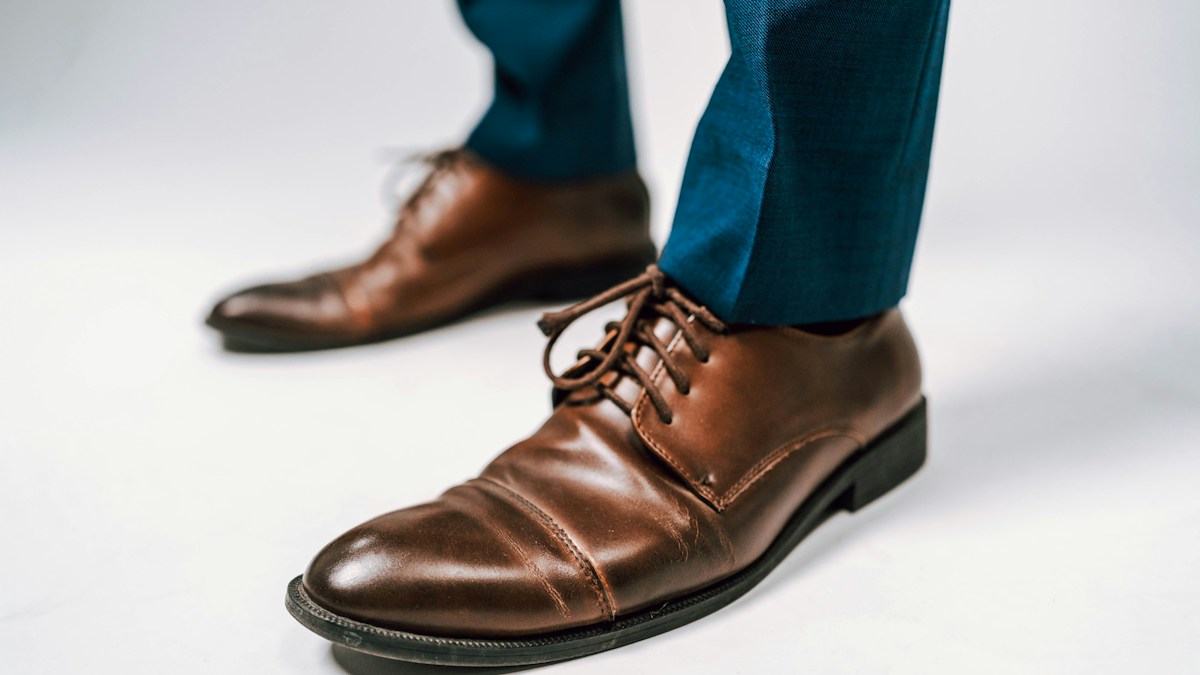
A smooth leather or rubber outsole can make audible contact with certain hard floors. When the noise appears only in a specific building, check whether the outsole is clean and free from sticky residue. Wipe away loose dirt with an appropriate dry or barely damp cloth, following the shoe maker’s care guidance.
Do not sand, score or cut the sole to change the sound. That can damage the sole, alter traction or remove material needed for normal wear. Chemical coatings or sticky sprays also introduce risks, especially on polished floors where a change in grip could lead to slipping.
If the squeak is a simple friction effect and there is no damage, it may fade with ordinary safe wear. When it remains disruptive, a cobbler can advise on sole options compatible with the shoe and the surfaces where you walk.
Could trapped moisture be making the shoes squeak?
If you also see staining, use the guide to water marks on smooth leather before trying household cleaners.
It is possible. Moisture from rain, wet pavements or perspiration can affect how insole and lining materials rub together. A shoe that squeaks after a rainy commute but stays quiet on dry days offers a useful clue. Before trying powders or other additives, let the shoe dry fully.
Remove removable insoles only if the manufacturer designed them to come out. Let the shoe and insole dry naturally in a ventilated place, away from radiators and direct heat. Use appropriate shoe trees or clean absorbent paper to help preserve shape without overstuffing.
Do not put wet dress shoes in a tumble dryer or under a hot hair dryer. Heat can damage leather and adhesives. Our guide to [storing leather shoes so they keep their shape](https://modernmenhq.com/style/how-to-store-leather-shoes/) covers the balance between dry storage and avoiding unnecessary deformation.
How to check removable insoles
Some dress shoes have removable footbeds and others do not. If yours has one, lift it only as intended and inspect for folds, trapped grit and unusual wear. A warped insole can shift when you walk and create sound even if the outer sole is sound.
Clean out loose debris from the footbed area and ensure the removable insole is fully dry before replacing it. Seat it flat without forcing an edge under the lining. Do not use adhesive to fix a loose footbed unless the manufacturer or a repair professional specifically recommends it.
If the insole has cracked, shrunk or permanently curled, a compatible replacement may help. The correct fit matters because an insert that is too large can buckle, while one too small can slide. When the original construction is not removable, leave it intact and ask a cobbler for advice.
What if the tongue and laces are squeaking?
Leather surfaces can rub near the tongue and lace facing, particularly if the shoe is new, stiff or tightly laced. Listen for sound near the top of the foot rather than under the sole. Check for twisted laces, displaced tongue positions and dry material catching as you move.
Relace carefully and make sure the tongue lies evenly. Adjust tension enough to secure the foot without excessive pressure. Do not flood the area with leather conditioner or lubricants just to make it quiet. Products may stain sock linings, weaken finishes or leave residue.
If the shoe maker recommends a suitable conditioner for that particular upper, follow the instructions and apply it as normal care rather than an improvised anti squeak treatment. Conditioners intended for smooth leather should not be used on suede or other sensitive finishes.
Should you use talcum powder or cornstarch?
Internet guides often suggest sprinkling powder under an insole to reduce friction or moisture. That may change the sound temporarily in some cases, but it is not a universal repair. Powder can accumulate inside the shoe, transfer to socks and obscure the actual source of a structural noise.
If a footbed is not removable or the manufacturer discourages additives, avoid the method. More importantly, never use powder to disguise a sole that is separating or a shoe that remains wet. A quieter shoe is not automatically a healthier or safer shoe.
A cleaner approach is to dry and inspect first, then replace a clearly worn removable footbed or ask a professional to investigate persistent internal rubbing. The problem usually deserves a diagnosis before it deserves an additive.
How to distinguish an annoying squeak from a repair problem
Look for signs beyond noise. A visible opening where the outsole meets the upper, an unstable heel, new uneven flexing or a crack across the sole suggests a need for repair assessment. A shoe that feels different underfoot than it used to deserves attention even if the squeak is small.
Do not continue wearing a structurally compromised pair through long commutes or formal events in the hope that it will break in. A loose sole can worsen, and unexpected movement may increase the risk of a stumble. A competent cobbler can assess whether the construction can be repaired, resoled or needs replacement.
Some stitched shoes are designed to be serviced. Others are more difficult to repair economically. Ask what exactly will be fixed, whether the repair affects appearance or fit and how the cost compares with replacing a shoe of similar quality.
How can you prevent leather dress shoes from squeaking?
Allow pairs to dry between uses and read our leather shoe storage guide for steps that protect their shape.
Keep the footwear clean and dry, rotate pairs when practical and store them with reasonable shape support. Removing dirt after wet commutes and allowing sufficient drying time reduces several avoidable sources of noise and wear. Avoid crushing the heels by slipping shoes on without loosening the laces.
When traveling, keep shoes away from heavy items and protect the upper against pressure. Our guide to [packing leather dress shoes in a suitcase](https://modernmenhq.com/style/pack-leather-dress-shoes-suitcase/) explains how to retain their shape on the road. A damaged or twisted upper can create rubbing problems that ordinary polishing does not fix.
Regular inspections are more useful than adding products every week. A quiet shoe with a separating sole still needs repair, while a mechanically sound shoe that makes occasional noise on one surface may need no intervention at all.
Will new leather shoes stop squeaking after breaking in?
Sometimes the sound changes as the materials flex with ordinary use, particularly when the source is a temporary contact between stiff surfaces. But break in is not a solution for every noise, and a new shoe with a loose or poorly attached sole should not simply be worn until the problem becomes worse.
Check return and warranty terms before applying treatments, abrading the outsole or taking the shoe to an outside repairer. If the squeak is pronounced from the first day and you cannot identify a harmless floor interaction, contact the retailer with a clear description and, if useful, a short recording.
A well fitted shoe should feel stable and comfortable. Do not tolerate painful pressure or structural movement just because the leather may soften slightly with use.
When is a cobbler the best next step?
If the problem started during travel, inspect how the shoes were packed and consult the guide to packing leather dress shoes safely.
Consult a cobbler when drying, cleaning and basic inspection do not identify a simple cause, or when the sole, heel or lining appears damaged. Describe when the sound happens and what surfaces trigger it. Tell the repairer whether the shoe has been wet recently and which products, if any, have already been used.
Ask for a diagnosis before authorizing a fix. An outsole replacement, loose footbed repair and tongue adjustment are different interventions with different costs and risks. A careful repairer should be willing to explain what evidence points to the proposed treatment.
Not every pair is worth an expensive repair, but a shoe that fits well and complements your wardrobe may deserve one. If you are deciding whether to keep or replace it, revisit our guide to [matching shoes with trousers](https://modernmenhq.com/style/how-to-match-shoes-with-trousers-men/) to assess whether the pair still has a useful role in your rotation.
Frequently Asked Questions
Why do my leather shoes squeak only on certain floors?
The outsole may be rubbing against a particular smooth surface. Check for residue and test carefully on another safe dry floor.
Can water make dress shoes squeak?
It can contribute to friction or movement inside the shoe. Dry the footwear naturally and inspect before adding products.
Should I put baby powder inside my shoes?
Do not treat it as a universal fix. Powder may leave residue and will not repair a loose sole or damaged construction.
Will squeaky dress shoes break in?
Some harmless friction noises may change with wear. Persistent new-shoe squeaks alongside loose components should be assessed rather than ignored.
When should I take squeaky shoes to a cobbler?
When the outsole or heel separates, the footbed shifts, the shoe feels unstable or basic safe checks do not explain an ongoing internal noise.
The bottom line
Do not turn a small noise into expensive damage. Locate the squeak, dry and inspect the shoes, avoid improvised abrasives and identify whether the problem affects the shoe’s construction. A cobbler is often a better investment than another round of random products when the source stays unclear.