A dress shirt can fit beautifully through the shoulders and chest but still look careless because its collar points curl outward. The problem shows up especially when the top button is open. One corner sits flat, the other bends toward your jaw, and suddenly the shirt looks as if it has been worn for three days.
Most curling collars are not ruined. Fabric memory, washing, drying and a missing or unsuitable collar stay can all affect how a point sits. The fix depends on whether the cloth is simply creased, the collar construction has lost shape, or the stay pocket is no longer holding the point straight.
Start with the simplest approach: check the care label, straighten the collar while slightly damp, press it with controlled steam if the fabric allows, and let it cool flat. Only then consider a different stay or a professional press. Glue, excessive heat and makeshift stiffeners often create a worse problem than the original curl.
Why do dress shirt collars curl?
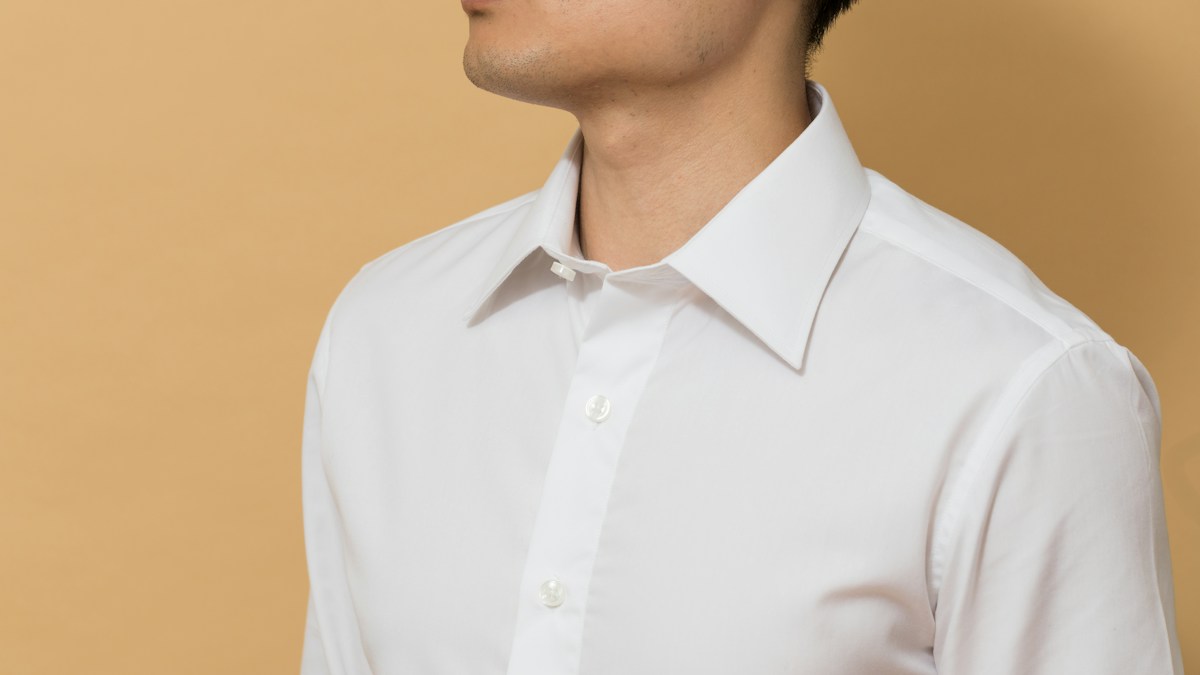
A shirt collar is built from fabric layers and often an internal interfacing that gives it structure. When heat, moisture, pressure and repeated folding act on the collar, the point can develop a shape that does not match the intended line. One point may curl more because it is stored against a jacket, pressed unevenly or folded under itself in the wash.
Collar construction matters. A soft casual collar is designed to move; a structured business collar is expected to hold a cleaner line. Treating both the same can turn a natural soft roll into an unnecessary pressing battle. Before reaching for a tool, compare the two sides and ask whether the shape is deliberate or whether one has clearly changed.
Look closely at the seam and interfacing. A simple crease is usually reversible. A warped or bubbling internal layer may not be. If the edge has permanently twisted or puckered, another wash may do little beyond introducing more stress.
First, identify which part of the collar is failing
Lay the shirt buttoned at the top on a table and compare both collar points. If one lies flat but springs up after you move it, you may be dealing with an unwanted crease or a soft tip. If the entire collar rolls oddly around the neck, collar size, band construction or how the shirt sits on your shoulders might matter more than the points themselves.
Check whether the shirt has slots for removable collar stays on its underside. Not every shirt does. Some use sewn in supports; others intentionally have neither. A missing stay may leave one point noticeably less controlled, but do not cut a pocket open or force a stay through stitching.
Finally, look for fabric damage. Broken stitching, separated layers or a point that has become visibly misshapen calls for different treatment from ordinary curling. A tailor or professional cleaner can tell you whether pressing is likely to help before you apply repeated heat.
| Problem | First action | Stop and seek repair if |
|---|---|---|
| One flat point, one curled | Check both stay pockets and press evenly | Seam or interfacing is detached |
| Both points curl after wash | Reshape while drying and iron safely | Fabric buckles or scorches |
| Collar looks wrong only when worn | Check neck and shoulder fit | Collar band strains even at correct size |
How to press collar points so they lie flat
Before applying heat, review the care-label symbols that set the fabric’s safe pressing limits.
Consult the garment care label before using an iron. The safest temperature and steam setting depends on fiber content and construction. Cotton often tolerates a different approach from synthetic blends or delicate fabrics, so relying on the hottest setting simply because the shirt looks sturdy is a poor choice.
Set the shirt on an ironing board with the collar underside facing up. Smooth each point gently into its intended shape and press rather than dragging the iron across the edge. Work in a controlled direction from the tip toward the center, then flip the collar and repeat lightly if the care instructions allow it.
Let the collar cool completely in its correct position before you put the shirt on or fold it. Cooling matters because fabric can regain an unwanted bend if you immediately push a warm point under a jacket lapel or into a crowded closet. Inspect from the front with the top button open, then adjust only what still needs attention.
When should you use collar stays?
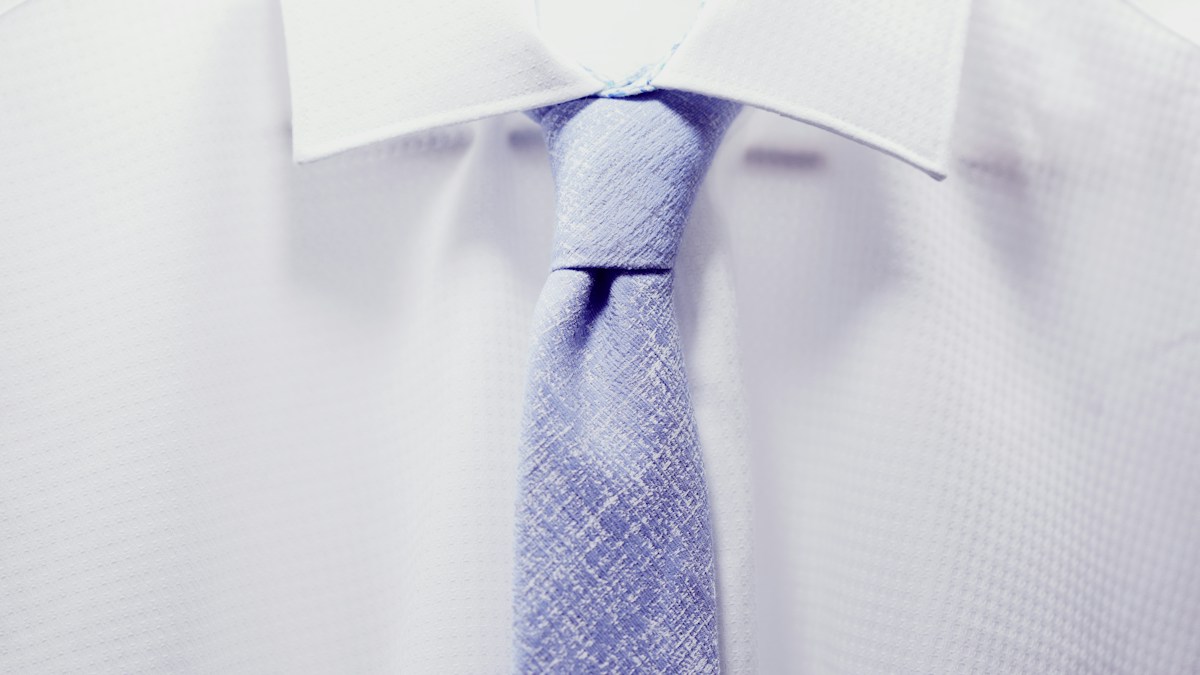
A collar stay is a slim insert that supports a pointed collar. For dress shirts with dedicated stay pockets, it can keep the point from folding upward during the day. It does not cure every problem, but it is often a practical solution when the shirt presses well and curls again after a few hours of wear.
Choose a stay that fits the actual pocket, not simply the longest one available. An insert that is too short may fail to support the tip; one that is too long can distort the fabric or stretch the pocket seam. Check the stay shape and whether the manufacturer intended it to be removed before washing or ironing.
Keep both sides consistent. Replacing only one with a different length or stiffness can make the collar appear uneven. Removable stays should generally come out before laundering unless the garment instructions specifically say otherwise, and damaged inserts should be replaced rather than bent back repeatedly.
Can you fix a curled collar without an iron?
A clothes steamer may help relax a minor crease, provided the fabric is suitable for steaming. Hold the shirt steady on an appropriate hanger, use the steamer at the recommended distance, and shape the point with care rather than soaking the material. Allow it to dry and cool before wearing.
Steam is useful for soft creasing but often less precise than pressing against a firm board. If the point needs a sharply defined edge, a quick pass of steam in midair may not keep it flat for long. You can also smooth a slightly damp collar by hand and leave it properly supported while drying, though results vary by fabric and construction.
Avoid putting a shirt in the dryer repeatedly to force the collar straight. Extra tumbling can create fresh bends and wear the edges. A hair dryer held too close can also expose the fabric to concentrated heat. The goal is controlled reshaping, not simply more heat.
Should you use spray starch?
Starch can temporarily add stiffness to some suitable washable shirts, but it is not a universal answer. A little extra body may help a soft cotton collar, while a heavy buildup can create an unnatural boardlike finish or leave residue. Some modern fabric finishes also respond poorly to products not recommended by the garment maker.
Check the shirt label and product directions, test in an inconspicuous area and avoid using more than necessary. Apply any product evenly rather than concentrating it only at the tip. An overtreated point can feel rigid while the rest of the collar moves naturally, making the problem more obvious.
If a collar requires aggressive starch every time to stay acceptable, examine the underlying fit and construction. You may be compensating for a stretched pocket, distorted interfacing or a shirt that no longer holds the shape it once had.
How do you stop collar points curling after washing?
The dress-shirt deodorant buildup guide covers another common source of wear that benefits from material-specific washing care.
Inspect the collar while the shirt comes out of the wash, not only when you are ready to wear it. Unfold any trapped corners, smooth the points and arrange the placket and collar into their natural positions. Follow the garment’s temperature and drying instructions so the fabric is not repeatedly exposed to conditions it was not designed to tolerate.
Avoid overloading the washer. A collar forced into a tight bundle with heavy items may emerge with sharp, uneven folds. If the care label permits air drying, hanging the shirt neatly while adjusting the collar early can reduce the amount of correction needed later.
Treat stains and buildup as a separate issue. If the collar has become stiff from body oils, soap residue or poor rinsing, it may need cleaning rather than stronger pressing. Our guide to [removing deodorant buildup from dress shirts](https://modernmenhq.com/style/remove-deodorant-buildup-dress-shirts/) addresses another common source of fabric stiffness without relying on harsher treatment.
What if only one collar point curls?
An uneven collar is often the best clue that you have a local problem rather than the wrong shirt style. Compare the stay pockets and make sure both removable stays are present and matched. Check whether one tip was pressed around a fold or left trapped under another garment during drying.
You can test by pressing the two sides equally and wearing the shirt without a jacket for a short period. If one side immediately springs back, the interfacing, seam or cut of that point may have changed. Try not to overcorrect the stubborn side while leaving the other untouched; that can create two visibly different shapes.
A tailor may be able to fix limited stitching problems. However, rebuilding damaged interfacing inside a finished collar can be more involved than it first appears. Ask whether the result is likely to be durable before paying for repeated interventions.
Can the wrong shirt fit make the collar look worse?
If the shirt seems to pull or buckle, check the fit using our collar and sleeve measurement guide.
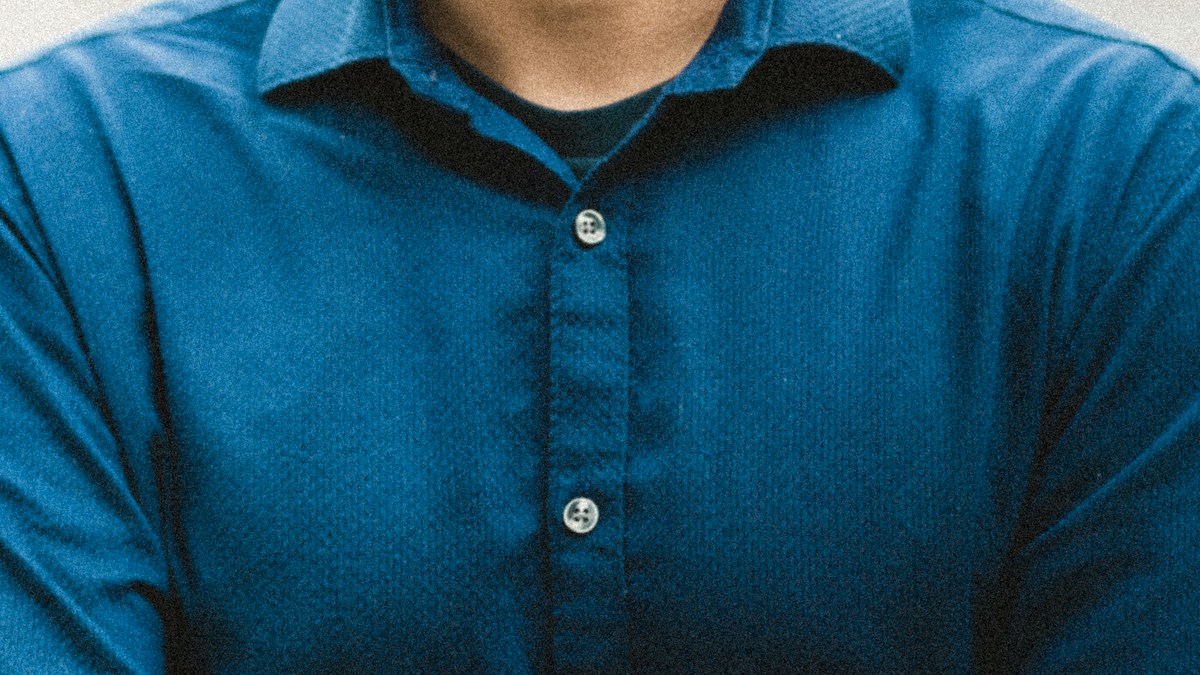
Yes. When the collar band sits too tightly or pulls unevenly around the neck, the visible points can shift as the rest of the shirt moves. A collar that seems fine on a hanger can flare while worn because the shoulders, neck opening and placket are under tension.
Check the shirt both buttoned and open at the neck. If the band digs in when buttoned, or the fabric pulls hard across the upper chest, ironing the tips will not solve the fit issue. For a reliable measurement method, see our guide to [dress shirt collar and sleeve measurements](https://modernmenhq.com/style/measure-dress-shirt-collar-sleeve-online/).
If the size is otherwise right but the collar always rolls in a way you dislike, consider a different collar construction when replacing the shirt. Not every spread, button down or soft collar is supposed to form the same straight, sharp angle.
How should you store dress shirts to protect the collar?
Hang shirts with enough space around the collar to avoid pressing one point into a neighboring jacket or hanger. Fasten a button when it helps the placket stay aligned, but do not stretch the collar band by forcing a tight closure. Make sure the shirt is dry before storing it.
For folded travel shirts, arrange the collar carefully and avoid packing heavy shoes or toiletries directly against it. The same reasoning behind [packing leather shoes without crushing them](https://modernmenhq.com/style/pack-leather-dress-shoes-suitcase/) applies here: pressure held for hours can change the shape of a delicate structure.
A shirt worn frequently may benefit from a quick visual check after each wash. Correcting a small bend early is easier than leaving the collar packed into a distorted shape through several laundry cycles.
When is replacement or professional pressing more sensible?

If the fabric is bubbling, the layers have separated or the edge is badly worn, repeated home pressing may not produce a lasting repair. Ask a cleaner familiar with formal shirts to inspect the collar and explain what can realistically be restored. There is no reason to damage the rest of a good shirt while trying to rescue a permanently warped point.
For a shirt that is otherwise comfortable and flattering, a professional press may be enough before a formal event. For one whose collar construction repeatedly fails despite reasonable care, replacement may be the practical long term choice.
Think in terms of use rather than perfection. A slightly relaxed collar can suit a casual outfit, while a sharply pressed point matters more when you are wearing a tie or formal jacket. Adjust care to the role of the shirt instead of applying the same rigidity to every garment.
Frequently Asked Questions
Can a curled dress shirt collar be fixed permanently?
Sometimes a simple crease can be reset by careful pressing and storage. Structural damage to the interfacing or seam may return even after repeated pressing.
Should you iron collar stays inside the shirt?
Remove detachable stays before ironing unless the garment maker explicitly directs otherwise. Heat may damage some stay materials or create an imprint.
Do metal collar stays work better than plastic ones?
A correctly sized, suitable stay matters more than blanket claims about material. Excessively stiff or long stays can distort delicate collars.
Why does one collar point stick up while the other lies flat?
Uneven folding, a missing stay, localized fabric distortion or stitching damage can affect one side. Compare both pockets and construction before pressing harder.
Can dry cleaners fix collar curling?
A professional press may correct manageable fabric creases. It cannot guarantee repair of worn or separated internal interfacing.
The bottom line
A curling collar point is a shape problem first. Inspect the construction, use the least aggressive heat and pressure the care label allows, and choose well fitting stays only when the shirt is designed for them. A polished collar should not require harsh chemicals, improvised glue or repeated high heat.