Hand washing gives you control over how a delicate garment moves in water, but it does not automatically make every treatment gentle. Water temperature, detergent choice, soaking and the way you lift wet fabric all matter. A garment marked do not wash should not be washed by hand just because there is no machine involved.
Never wring fragile knitwear or hang an unsupported wet sweater by the shoulders. Weight and twisting can distort its shape even after a cautious wash.
The First Decision
- Read the actual care label
- Choose a clean basin
- Use compatible detergent
- Limit the soaking time
Prepare a basin, an appropriate detergent and a clean towel before immersing a delicate garment. Read the entire care label, including water temperature, rinsing and drying instructions. A sweater marked dry clean only is not an experiment for a quiet afternoon. Restrict home washing to pieces whose finished construction actually permits it.
Read the actual care label
| Step | Purpose |
|---|---|
| Check label | Confirm water, detergent and cleaning restrictions |
| Move fabric gently | Avoid stretching vulnerable knits and seams |
| Support during drying | Maintain shape and minimize excess moisture |
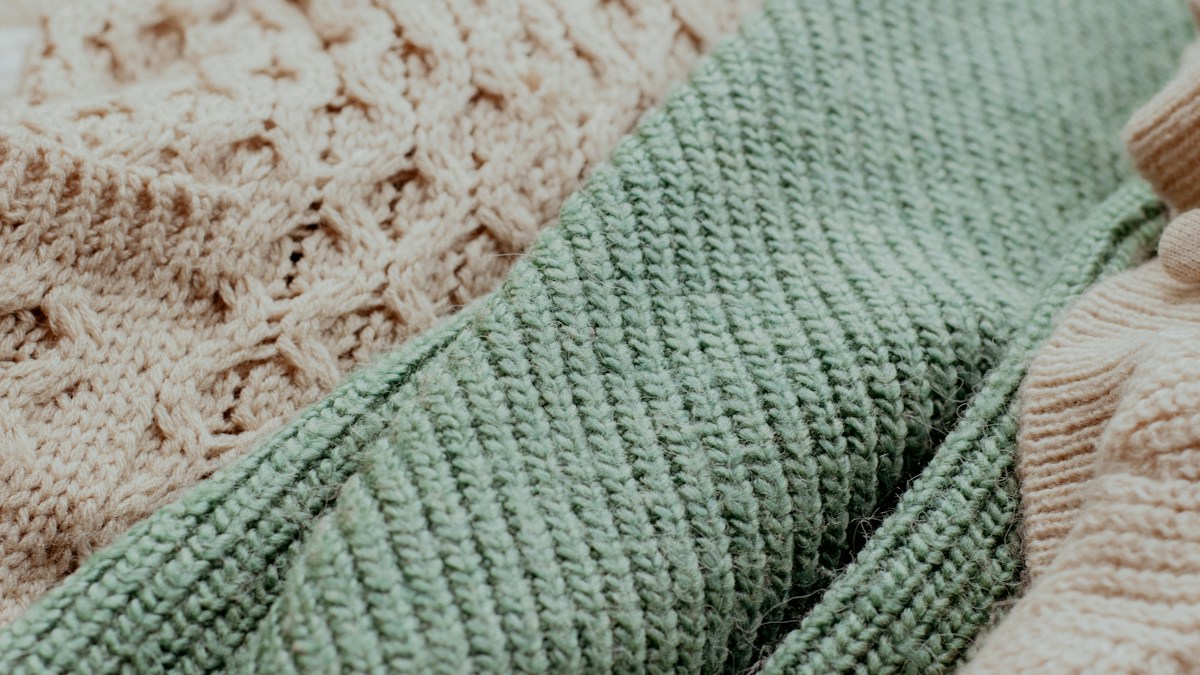
Identify whether the garment says hand wash, delicate machine wash, dry clean or do not wash. These are not interchangeable directions. Special dyes and trims may impose limits beyond the base fiber.
A hand-wash symbol is a specific permission, not a general license to soak every garment. Look for restrictions on water temperature, dry cleaning and drying position. A dress with glued trim, or a sweater with unstable dye, can have care needs beyond its outer fiber. Read the full tag before filling a basin.
Choose a clean basin
A washed sink or tub should be free of residue from bleach or abrasive cleaners. Use water at the permitted temperature; do not rely on your hand alone to measure extreme temperatures.
Rinse the basin thoroughly before adding water. Residues from bathroom or kitchen cleaning agents may damage delicate fabric or change its dye. Use a clean container large enough to support the item without twisting it into a tight bundle. Keep dark or unstable colors separate rather than washing several delicate pieces together automatically.
Use compatible detergent

Wool and silk may need specific products. Dissolve the measured detergent according to its label instead of pouring concentrated product directly onto a delicate garment. For a detailed garment example, read our guide to washing a wool sweater without shrinking it.
Choose detergent formulated for the relevant fiber when required by the garment label. Wool and silk are not identical to ordinary cotton; enzymes and alkaline cleaners may be unsuitable for some protein fibers. Measure carefully and dissolve or disperse the product as instructed. Concentrated detergent poured onto one wet area may leave a visible mark.
Limit the soaking time
Some fabrics or dyes are sensitive to prolonged soaking. Follow the garment’s instructions, move promptly and avoid leaving wet colored pieces in a heap where dye can transfer.
A long soak is not always a gentler wash. Color movement, stretching and residue can occur while a garment sits unattended. Follow the garment’s or cleaner’s guidance for time and water conditions. If a delicate item begins releasing dye, do not allow it to soak next to lighter clothes in the same basin.
Clean through gentle movement

Support the item and move it through the water without hard rubbing. Areas with stains may require approved local treatment instead of aggressive agitation of the entire garment.
Gently push the garment through water while supporting its weight. Avoid dragging a wet sleeve across the sink edge or scrubbing fabric against itself to remove a spot. Stains may require an approved localized treatment, and some fragile items are better handled by a professional. Control is more important than vigorous movement.
Rinse without stretching
Replace water gently and press through the fabric as allowed. Avoid pulling wet shoulders or twisting a sleeve to squeeze out soap. Thorough rinsing is important because residue can change feel.
During rinsing, hold enough of the garment to prevent a single seam from carrying all the water weight. Use compatible fresh water and press rather than twist. Continue according to the product and fabric instructions until detergent residue is gone. A garment left slippery from soap may not feel right when dry.
Remove excess water safely
Support the whole garment, press rather than wring and use a clean towel where compatible. Heavy wet knitwear is easily distorted when lifted by one edge.
Wet knitwear can stretch when lifted from one shoulder or wrung between the hands. Support the complete garment and press excess water out carefully. Where permitted, a clean absorbent towel can remove moisture without twisting the fibers. Avoid pulling cuffs and hems to hurry the process; shaping should be gentle.
Dry flat when required
For the final drying step, see our guide to drying clothes indoors without a musty smell. Airflow and proper fabric support matter as much as the wash itself.
Woolmark recommends flat drying many wool knits unless the care claim permits another method. Smooth the shape without stretching measurements beyond the original cut.
Follow the drying label for the finished item, not a generic rule. Many wool sweaters are best dried flat on a pale towel, while some woven shirts may hang safely. Keep the piece away from heat sources if the care instructions prohibit them. Inspect seams and weight distribution before leaving it to dry.
Know when professional care wins
Complex tailoring, delicate linings, bleeding dyes or valuable items may not be safe to handle at home. A professional cleaner can assess garment construction before choosing a method.
Structured tailoring, leather details and items marked do not wash may be damaged even in a basin of lukewarm water. When the care label is restrictive or unclear, professional advice may cost less than replacing a ruined garment. Hand washing is useful only when it is actually an approved care method.
A Worked Example: A Fine Wool Sweater
Suppose the label permits hand washing but prohibits tumble drying. Prepare water and a wool-compatible detergent following the exact label instructions. Support the sweater rather than letting the sleeves drag or twist, and move it gently through the wash. During rinsing, keep the item supported and press excess moisture out without wringing. Roll in a suitable clean towel if the maker allows it, then lay it flat to dry. Shape it to its original outline instead of stretching it larger while wet.
A Different Example: A Delicate Woven Shirt
A light woven shirt may tolerate a different kind of handling from a sweater. Its placket, cuffs and seams can hold their own shape, but the fabric may still be sensitive to rubbing or strong detergents. Pretreat stains only with products permitted by the care label. Lift the whole item from water rather than pulling one sleeve, and avoid crushing buttons against a hard basin. Hang or lay it out according to the finished garment’s instructions. The common rule is controlled movement, not one drying technique for every fabric. If a symbol is unclear, the laundry care symbols guide can clarify the specific restriction before you start.
When Hand Washing Is the Wrong Choice
Some structured garments are labeled do not wash or dry clean only. The outer fabric may look harmless in water, but internal layers, trims or dyes can respond poorly. Hand washing does not remove those risks. If the label prohibits wet cleaning, do not test the theory on an expensive piece. A professional cleaner can judge the whole construction, including things the fiber-content label does not show. That is particularly important for tailored jackets, embellished items and garments with bonded components.
One Final Rinse Check
If the water still feels slippery with cleaner after a rinse, follow the permitted additional-rinsing method before drying. Avoid pulling a wet sleeve away from the body to inspect it. Support the garment as you move it, then check both feel and shape when fully dry.
A Practical Checklist to Finish the Job
After rinsing, support the garment as you lift it from the water. Press rather than wring where instructed, and reshape gently before laying it out on a suitable surface. If a knit has twisted, the solution is not to stretch the wet fabric aggressively. Check shape and dimensions after it has dried naturally.
Expensive tailoring, glued decorations or unstable dyes may not tolerate wet cleaning even with gentle hands. Do not treat every delicate item as a wool sweater. When a care label is restrictive or the structure is unfamiliar, a qualified cleaner can advise on safer treatment and prevent a costly mistake.
Frequently Asked Questions
Is hand washing always safer than machine washing?
No. Hand washing still exposes fabric to water, detergents and handling, and some finished garments must not be washed at home..
How long should delicate clothes soak?
Use the item’s care directions and detergent instructions. Prolonged soaking can affect dyes and delicate construction..
Can I use regular detergent?
Only if the formulation is appropriate for the fiber and care label. Some delicate fibers require a specific cleaner..
Should I squeeze water out of wool?
Press excess water out while supporting the garment. Avoid wringing, which can distort wool knitwear..
Can I hang hand-washed sweaters?
Many should dry flat, especially wool knits. Follow the actual garment’s drying instructions.. A small humid room changes the drying decision; our indoor clothes drying guide explains airflow and moisture management.
The Bottom Line
Hand washing gives you control over how a delicate garment moves in water, but it does not automatically make every treatment gentle. Careful inspection and ordinary maintenance will solve more daily problems than extreme shortcuts. Work from the actual source of the problem, respect the object’s construction and keep the process simple enough to repeat.