A white T-shirt can look clean when folded and emerge months later with yellow patches around the collar or underarms. The color change may involve body oils, product residues, fabric aging or storage conditions. It is not always evidence that the garment was stored in a dirty place. For a localized underarm deposit rather than general yellowing, see removing deodorant buildup from dress shirts.
Do not reach automatically for chlorine bleach, especially on garments with prints, elastane or unknown finishes. Yellowing may have several causes and an aggressive treatment can make the garment worse.
The First Decision
- What causes the yellowing
- Inspect where color appears
- Wash before seasonal storage
Before trying to whiten a stored T-shirt, look at the pattern of yellowing. Concentrated underarm patches suggest a different history from broad discoloration along a fold. Inspect the care label, fabric contents and any colored trim. Wash an affected garment separately if uncertain, and do not apply chlorine bleach simply because the body fabric is white.
What causes the yellowing
| Question | Practical answer |
|---|---|
| What causes the yellowing | Invisible body oils and sweat residue can oxidize or become more visible during storage. |
| Inspect where color appears | An underarm patch suggests a different history from a hem that changed color uniformly. |
| Wash before seasonal storage | Remove body soil under the garment’s care label rather than storing a lightly worn shirt because it still looks white. |
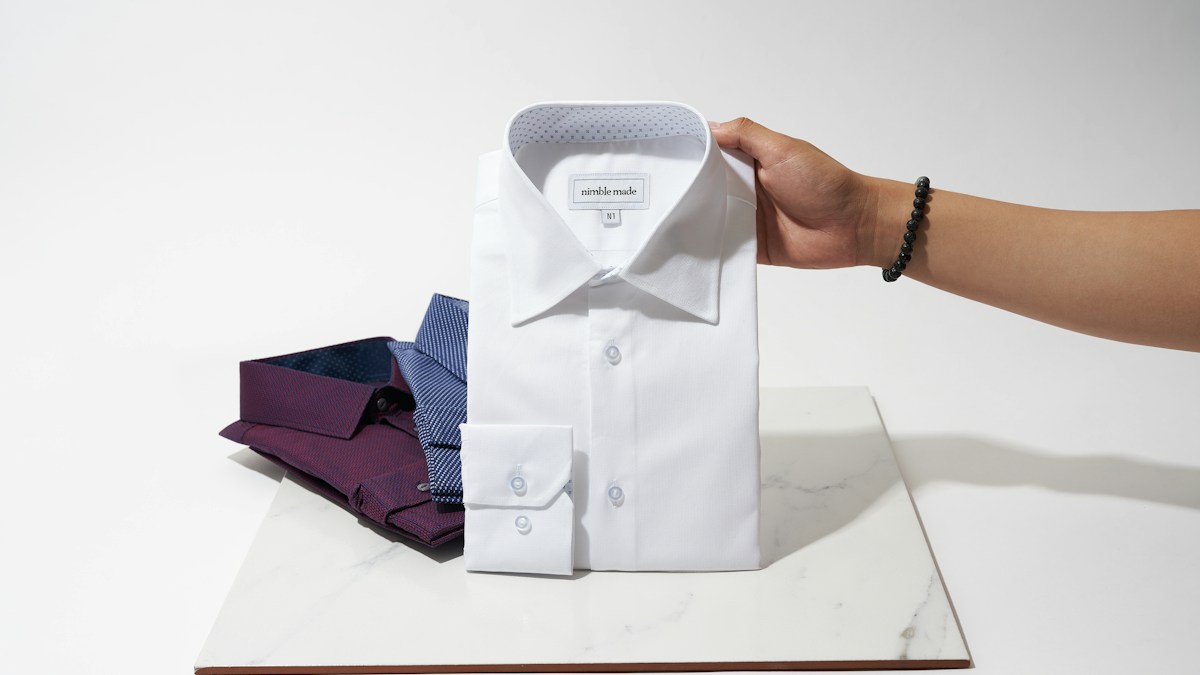
Invisible body oils and sweat residue can oxidize or become more visible during storage. Product deposits around the neckline can contribute. Different fibers and dyes age differently, so a uniform yellow cast is not identical to a local stain.
Stored shirts can contain traces of skin oil that were invisible when the clothes were folded. Over time those deposits may become more noticeable, particularly around the neck and underarms. Notice whether the yellowing has a specific location or covers the fabric evenly. Those patterns suggest different histories and should guide treatment.
Inspect where color appears
An underarm patch suggests a different history from a hem that changed color uniformly. Check the collar, fold lines and areas that contacted storage paper or plastic. The pattern can help narrow the cause.
A yellow patch at the armpit calls for attention to perspiration or product residue. A broad change along folded surfaces might involve storage conditions or fabric aging. Check the shirt in daylight against a genuinely clean white item of the same material. Do not assume every off-white shade is removable dirt.
Wash before seasonal storage

Remove body soil under the garment’s care label rather than storing a lightly worn shirt because it still looks white. A suitable wash and full drying reduce the chance of trapping residues in the fabric.
Before storing white shirts for a season, follow their care labels and treat visible body soil. Allow the entire garment to dry, including the neckline and underarm seams. Fold clean clothes only when there is no remaining moisture. The aim is to avoid packing old residue into an enclosed space for months.
Prevent softener deposits
Additives can leave coatings, and concentrated products may produce spots. Measure laundry products and rinse correctly. If the shirt feels coated, address residue before packing it away.
Conditioner or excess detergent may remain on fabric if products are misused or rinsing is inadequate. If several shirts develop patches straight after washing, look at the machine and additive routine before blaming the storage drawer. Clean the dispenser by its manual and measure products rather than pouring additional detergent into every load.
Choose appropriate storage

Keep shirts completely dry in a clean and reasonably ventilated space. Avoid damp drawers, contaminated cardboard and surfaces that transfer dye or dust. Do not pack clothing next to chemical products.
Choose a dry, clean storage area away from contaminated surfaces. Old cardboard, dusty shelves and strongly dyed textiles can contact light cotton for long periods. When using boxes, make sure they are clean and that garments are fully dry. A good container cannot compensate for clothing that enters it damp or soiled.
Can sunlight whiten a shirt
Strong sunlight can affect dyes, printed graphics and fibers. It should not be sold as a guaranteed whitening treatment. Follow the maker’s drying instructions rather than deliberately exposing valuable items to intense heat.
Sunlight can affect dyed trim, elastic and fabric finishes, and extreme heat can weaken some fibers. Instead of relying on sun exposure as a universal whitening hack, choose drying conditions permitted by the label. A shirt that becomes crisp and brittle from excessive heat is not a successful restoration simply because it appears lighter.
Treat an existing yellow patch

Check the care label and test a suitable stain remover in a hidden area. A fabric-safe pretreatment may help residual body soil, but chemical discoloration or aged fiber damage may not be removable. If a mark appears right after laundry, our separate fabric softener stain guide helps rule out concentrated conditioner residue.
Treat a yellow patch only after checking the finished garment’s compatibility with the cleaner. Prewash stain remover may help old body-soil residue, but it will not reverse every material change. Test an inconspicuous part, rinse fully and inspect once dry. Stop if a new uneven pale ring develops around the spot.
Oxygen versus chlorine bleach
These are different chemical systems with different compatibility limits. The clothing care label and product directions govern use; a white color alone does not establish safety. Never combine bleach with other cleaners.
Oxygen and chlorine bleaching products act differently and may have different fabric restrictions. A white printed T-shirt may contain dyes or elastic stitching that cannot tolerate either method. Never mix chlorine bleach with vinegar, ammonia or other cleaning agents. Read both the care label and the product instructions, and avoid repeated stronger attempts.
When replacement makes sense
If repeated compatible treatment leaves broad, persistent discoloration or the neckline has lost shape, replacing an inexpensive shirt may be rational. Preserve the care routine so the next garment lasts longer.
If fabric has lost its shape, the underarms are thinning or the yellowing cannot be improved through appropriate care, replacement may be the more practical choice. Compare condition, comfort and cost. A shirt with a faint cream tone can still be serviceable, while a visibly damaged neckline is harder to overlook.
Does the Type of Yellowing Tell You Anything?
A pale yellow cast over most of a shirt deserves a different diagnosis from small underarm patches. Look at the outside and inside, compare areas protected from light and note whether discoloration follows fold lines. Around the neckline, older skin oils and hair products are plausible sources. Along an area that rested against cardboard or colored plastic, storage material may be involved. The pattern guides the next step but does not establish the cause with certainty.
What to Do Before Storing Clean White Shirts
Wash garments according to their labels, check collars and underarms for marks, and allow the fabric to dry completely. Store away from dampness and direct contact with materials that could transfer color. Avoid spraying fragrance onto shirts just before folding them. If you use storage containers, start with clean containers and do not pack the clothing while even slightly damp. Separate pieces with dye-sensitive trim instead of assuming that every white garment tolerates the same conditions.
Can You Restore the Original Brightness?
A compatible stain remover or whitening product may help when the cause is removable residue. It cannot reverse every change in fiber chemistry, finish or dye. Work on a small test area, follow the garment’s care symbols and examine the result when fully dry. If cleaning creates a brighter patch surrounded by older discoloration, pause before treating the whole shirt. Replacement becomes sensible when the fabric is worn through or the color difference persists despite suitable care. When a shirt has also stretched or worn thin, use the T-shirt replacement checklist to judge whether further cleaning is worthwhile.
A Practical Checklist to Finish the Job
Check the T-shirt after a compatible cleaning attempt and complete drying. Compare underarm, neckline and protected sections of fabric to determine whether a removable mark actually changed. If the only improvement is a washed-out surrounding patch, more aggressive cleaning is not protecting the item. Change the diagnosis before repeating treatment.
A professional cleaner may help with a valuable garment, but ordinary T-shirts with extensive discoloration and worn fibers sometimes are better replaced. Preserve the next one by cleaning sweat and product residues before long-term storage, drying fully and keeping the storage container free of dampness and dye-transfer risks.
Frequently Asked Questions
Can clean shirts turn yellow without being worn?
Yes. Residual body oils, fabric chemistry and storage conditions can make discoloration appear later, even on a shirt that looked clean when packed..
Does plastic storage cause yellowing?
Some storage materials can transfer residues or create poor conditions, but yellowing has several causes. Check the affected areas before blaming the container..
Should you bleach all yellowed white shirts?
No. The care label may prohibit bleach, and some yellowing reflects changes bleach cannot reverse..
Can old yellowing be permanent?
Yes. Oxidized residues, aged fibers and damaged finishes do not always return to their original color..
How should shirts be stored between seasons?
Wash according to the label, dry completely and use a clean, dry storage space away from materials that transfer color..
The Bottom Line
A white T-shirt can look clean when folded and emerge months later with yellow patches around the collar or underarms. Careful inspection and ordinary maintenance will solve more daily problems than extreme shortcuts. Work from the actual source of the problem, respect the object’s construction and keep the process simple enough to repeat.