Chinos are often the trousers you wear when the weather is uncertain, and a muddy splash can look far worse against beige or light olive fabric than it does on dark denim. The right first step is to avoid grinding grit into the weave. Mud is not simply a liquid stain; it can contain soil particles and other residues. The garment should still fit well after laundering; our chinos fit guide covers the checkpoints to inspect before and after cleaning.
Check whether the chinos are washable and colorfast. Do not scrape with a sharp knife or use strong bleach on colored cotton without label approval.
What to Check First
Check the materials and relevant care instructions. The right cleaning approach removes residue without causing a more permanent problem.
- Fresh mud or dry crust
- Remove excess soil
- Check the stain beneath
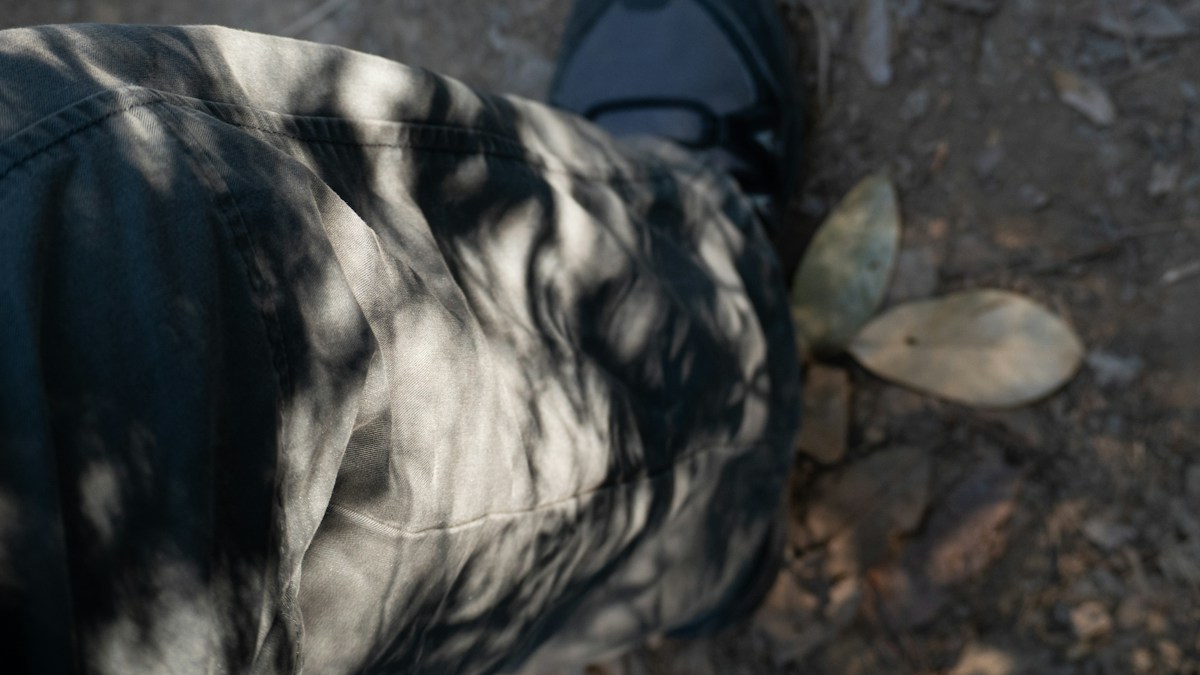
Before washing muddy chinos, determine whether the surface still contains loose grit. Remove what you can without rubbing particles into the twill, then check the stain and fabric care instructions. Light-colored trousers may show dye damage from strong cleaners, so a small colorfastness test matters before localized treatment.
Fresh mud or dry crust
| What to check | Practical guidance |
|---|---|
| Fresh mud or dry crust | Fresh mud can spread as you rub it. |
| Remove excess soil | Brush off loose dried grit gently using a suitable brush, protecting the fabric from abrasion. |
| Check the stain beneath | After removing loose material, look for pigment remaining inside the fabric. |
Fresh mud can spread as you rub it. Letting certain surface mud dry enough to lift loose particles may help, but dried stains can still need pretreatment. For a small living space, the indoor clothes drying guide explains how to avoid trapping moisture in newly washed trousers.
A patch of mud on light chinos can include both coarse grit and fine pigment. If you rub while the grit is present, you can abrade the cotton twill as you spread the stain. Start by identifying whether the material is still wet and whether the care label permits the cleaning method you plan to use.
Remove excess soil
Brush off loose dried grit gently using a suitable brush, protecting the fabric from abrasion. Keep dirt from falling onto other clothes or the clean work surface.
Once the surface mud is dry enough to lift without smearing, remove the loose grit carefully with a suitable soft tool. Keep the trouser leg flat so particles do not fall inside a cuff or pocket. Fine clay may remain in the weave after coarse soil is gone; that is the part that needs laundering or pretreatment.
Check the stain beneath
After removing loose material, look for pigment remaining inside the fabric. Fine clay and organic soil can behave differently from coarse dry dirt.
A remaining brown shadow may be mineral soil, dye transfer or oily road residue. Those do not necessarily respond to the same cleaner. Check whether the mark feels greasy and where the splash happened. If other colored material rubbed against the chinos, dye transfer is plausible, so avoid treating every stain as garden mud.
Pretreatment choice
Use fabric-safe stain remover or detergent according to product instructions. Test a hidden seam, especially on colored chinos that may release dye.
Use a garment-compatible stain remover according to its directions and test colorfastness first. Light khaki and olive dyes can be affected by strong cleaners even when a product seems harmless on white cotton. Avoid soaking fused waist details or fragile trims against care instructions. The goal is to lift soil without changing the shade.
Wash temperature
Choose the temperature allowed by the trouser care label and appropriate for the remaining soil. Extra heat is not a substitute for pretreatment. If the symbols are difficult to interpret, use the laundry care symbols guide before choosing a stain treatment or wash cycle.
Check the care label before choosing water temperature. More heat can make some stains harder to remove and can change trouser dimensions. If the label restricts laundering, follow that restriction instead of treating chinos as ordinary jeans. A complete wash should still leave enough room in the machine for thorough rinsing.
Avoid aggressive scrubbing

Hard brushing can create a lighter worn patch that will remain even if the mud disappears. Work gently from the outer boundary inward.
A stiff brush may leave a lighter patch where the fabric surface has been roughed up. Use gentle pressure and monitor whether the weave starts looking fuzzy. When a stain requires repeated attempts, stop to inspect the cloth fully dry. Permanent abrasion is a worse result than a faint remnant of washable soil.
Inspect before drying
The stain may appear faint while the cloth is damp. Let it air dry if needed for inspection before exposing the area to dryer heat.
Mud can look almost gone while fabric is wet, only to leave a halo once dry. Check the treated area before tumble drying. If the label permits air drying, it gives you an opportunity to inspect without applying more heat. Do not store the trousers damp just because the stain looks lighter.
What about tailored chinos
Some chinos have special finishes, lining or pressed creases. If the care label recommends professional cleaning, respect the construction.
Tailored chinos may contain a reinforced waistband, pressed crease or special finish. A cleaning technique that is safe on plain cotton can affect these details. When the label specifies professional cleaning, let the cleaner know the source of the mud and any products already used. Repairing a damaged finish is not always possible.
Prevent repeat trouble
For outdoor wear, remove surface grit promptly and keep a suitable laundry pretreatment available. A practical wardrobe accepts occasional dirt without demanding harsh cleaning.
After wet-weather wear, lift loose surface dirt as soon as practical and check cuffs before storage. Keeping a compatible stain pretreatment at home makes the next cleanup easier. You do not need a heavy chemical routine after every walk. Regular inspection and correct washing can protect both the cloth’s color and its shape.
A Practical Example With Light Tan Chinos
Suppose mud splashes onto the front of a light tan pair during a walk. While it is wet, rubbing with a towel may spread the stain and force grit through the weave. Instead, remove any thick loose material carefully and decide whether the surface mud can be allowed to dry without setting other contaminants. When dry, use a soft tool to lift loose soil, then inspect what remains. A faint discoloration may need compatible pretreatment. Check that the cleaner does not lighten the tan dye in a hidden area before applying it to the visible leg.
When Mud Includes Oil or Road Residue
Not every muddy patch is simply garden soil. A splash near a road can contain oil, salts or fine grit that requires a different cleaning decision. If the mark feels greasy after loose dirt is removed, a treatment designed for ordinary soil alone may be insufficient. Identify the likely source before adding chemicals. Use only products compatible with the trouser fabric and dye, and avoid mixing several cleaners without removing the previous one. If the stain spreads or the fabric changes color, stop rather than increasing pressure or temperature.
How to Avoid the Faded Patch Problem
The biggest risk on colored chinos is sometimes not the dirt but the attempt to remove it. A stiff brush can roughen a cotton twill surface and produce a visibly lighter spot. A strong bleaching product may remove dye rather than soil. Work from the exterior of the stain toward its center only when compatible with the cleaning method, and use short gentle motions. Rinse as directed and compare the treated area with the rest of the trouser leg once dry. Clean fabric that now looks abraded is still damaged fabric.
When to Clean the Whole Pair
A small localized mark may respond to spot treatment, but a pair covered in mud after outdoor work may benefit from a complete wash. First remove surface grit that could damage the machine or spread through the load. Fasten closures as the maker recommends, choose the wash cycle and water temperature the garment allows and avoid overloading. Check pockets and seams before drying. If the label directs professional cleaning because of construction or finish, use that route even when the base material appears to be cotton. Good care protects both color and fit.
A Note About Drying
Once the chinos have been washed, inspect the treated section under daylight while the cloth is still manageable. A mud stain may become less obvious when wet and reappear after drying. Let the fabric dry by the method its label permits before deciding whether to attempt another treatment. Avoid repeated high-heat cycles until you are confident the residue is gone; excess heat can complicate future cleaning and change the trouser fit.
A Simple Routine You Can Repeat
After the wash, let the trousers dry according to their care label and inspect the treated leg in daylight. If the mud shadow remains but the surrounding fabric is becoming lighter or fuzzy, avoid another abrasive attempt. Judge the color and weave, not merely whether the stain has become less noticeable while wet.
For valuable chinos with a stubborn stain, a cleaner may offer safer choices than mixing household chemicals. Describe where the mud came from and what pretreatments were already used. Severe abrasion or changed dye cannot always be corrected, even if the remaining soil is finally removed.
Frequently Asked Questions
Should mud dry before cleaning chinos?
Removing loose dried grit can help, but follow with suitable stain treatment.
Can I use bleach on tan chinos?
Only if the care label explicitly permits the type of bleach.
Will scrubbing remove mud faster?
It may also abrade the fabric, so keep pressure low.
Can muddy chinos go straight into the washer?
Remove excess grit and inspect fabric before laundering.
Can dried mud permanently stain pants?
Some fine soil pigments remain after cleaning; results depend on fabric and stain age.
The Bottom Line
Chinos are often the trousers you wear when the weather is uncertain, and a muddy splash can look far worse against beige or light olive fabric than it does on dark denim. Build the routine around what the material and manufacturer actually permit. Choose a clear first action, verify the outcome and resist shortcuts that damage the item while trying to improve its appearance.