A wool sweater can be perfectly clean and still look tired. Small balls of fiber gather on the chest, under the arms and near the cuffs. They catch the light, collect lint and make an otherwise good piece of clothing look older than it is. The temptation is to shave everything off as quickly as possible.
That is usually where people get into trouble. Removing pills is not the same as cleaning the sweater. You are taking loose fibers off a knitted surface, so pressure and tool choice matter more than speed. The safer approach is to identify the fabric, flatten the garment and work on one small area before touching the rest.
For most sound wool sweaters, begin by lifting individual pills by hand. Use a suitable wool comb cautiously on a firm, smooth knit, or a fabric shaver on a tested low setting if the fabric can tolerate it. Stop whenever the tool catches yarn rather than fuzz. A slightly imperfect sweater is better than a freshly shaved hole.
Why does wool pill in the first place?
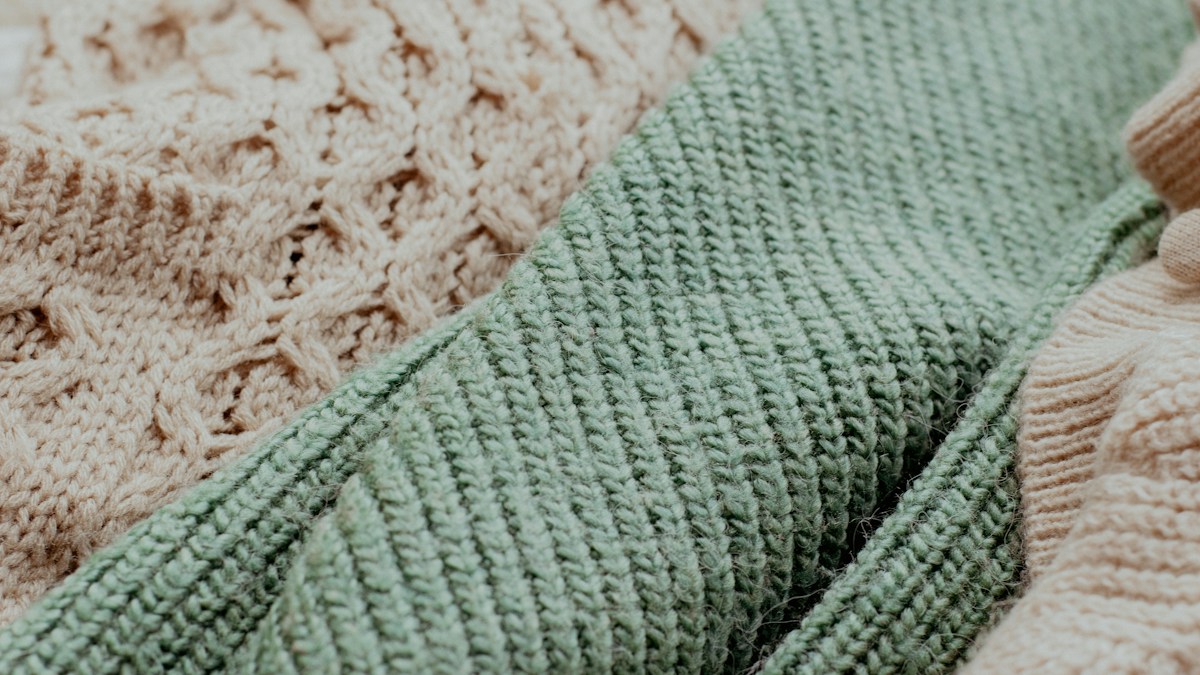
Pilling happens when loose fibers migrate to a fabric surface and tangle into little knots through rubbing. That is why the underarms, sides, belly and sleeve edges tend to suffer first. Woolmark identifies abrasion from ordinary wear as a major cause, not simply poor washing or careless ownership.
A new sweater can pill as excess surface fibers work loose. A much older sweater can develop another round where a bag strap, office chair or rough coat lining repeatedly rubs against it. Some yarns and knit constructions are more susceptible than others. Price alone does not tell you whether a sweater will pill.
The important distinction is between removable fiber balls and actual fabric damage. Pills sit above the knit. Snags pull a continuous loop of yarn away from it. Thin patches mean material has already worn down. Each problem needs a different response, and treating all three with a shaver risks making the damage permanent.
Which pilling removal tool should you use?
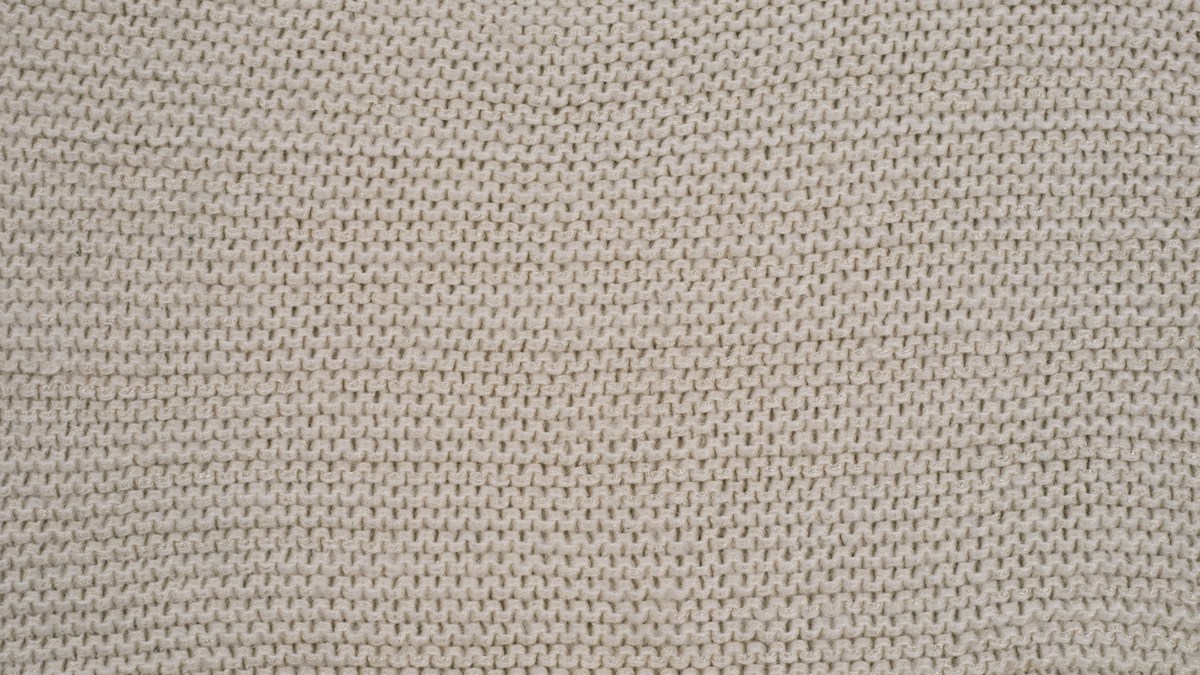
Choose the least aggressive tool that can do the job. Your fingers give the most control over a few large pills. A fine wool or cashmere comb can lift surface fuzz on suitable knits. A fabric shaver is faster over a broad, tightly knit area but can remove good fibers alongside the pills if you press hard or catch a loop.
A sweater stone is not automatically gentler because it is sold for knitwear. Its abrasive action can be too rough for soft or loosely knitted pieces. The same applies to household razors, scissors and lint rollers. A razor can slice a yarn loop; scissors can clip the wrong thread; a lint roller removes debris but may not release the knot that forms a pill.
Before using a device, check the garment care label and the tool instructions. Delicate cashmere, loosely knitted wool and open textured fabrics deserve extra caution. If a particularly valuable sweater has a thick fuzzy finish, a professional cleaner familiar with knitwear may be the better choice.
| Tool | Best situation | Main risk |
|---|---|---|
| Fingertips | A few clearly loose pills | Pulling intact yarn by mistake |
| Wool comb | Moderate pills on a suitable firm knit | Catching loops with the teeth |
| Guarded fabric shaver | Broad even areas after a hidden patch test | Cutting sound fibers or seams |
How to prepare a sweater before removing pills
Start with a clean, completely dry sweater. Damp wool changes shape more readily under pressure, which makes it harder to keep the material still while working. If the garment has just been washed, dry it flat according to the care label. Never begin shaving a sleeve that is still stretched over your arm.
Lay the sweater on a broad, firm surface with a clean towel underneath. Smooth it into its natural shape without pulling it tight. Good lighting is more useful than extra force: turn the garment so you can distinguish loose pills from intact loops, seams and decorative texture.
Examine cuffs, side seams and the underarms first. These areas often have the heaviest friction, but they also contain folds that can catch a shaver head. Flatten each section with one hand. Try the proposed tool in an inconspicuous patch and inspect the result from several angles before continuing.
Method one: remove a few pills by hand
For scattered, clearly raised pills, gently grip one between your fingertips and tease it free without tugging the fabric below. If it resists, leave it for a more appropriate tool. The test is simple: the ball should separate while the underlying knit remains flat and unmoved.
This is slow, and that is precisely why it works for a valuable sweater with only a few visible knots. You can isolate one fiber cluster at a time and stop immediately if it appears connected to a longer yarn. Working by hand also teaches you how the fabric behaves before you use anything faster.
Do not sit and pick at a sweater for an hour while it is on your lap. Pulling repeatedly on fabric without support can distort its shape. Put it down, work for a few minutes and inspect whether the surface is improving. If the pills are too numerous to remove safely by hand, move to the next method rather than pulling harder.
Method two: use a wool comb carefully
A wool comb is often a sensible middle ground for firm knitwear with moderate surface pilling. Place the sweater flat, hold a small section steady and glide the comb lightly over the surface as directed by the manufacturer. Short, controlled passes are safer than dragging it from one end of the garment to the other.
Pay attention to the direction and resistance. If the teeth snag, the fabric lifts or you notice strands stretching toward the tool, stop. That is not a signal to change angle and force the comb through. It is a sign that this knit may be unsuitable for that comb or that the sweater has a snag rather than a pill.
Clear accumulated fibers from the comb frequently. A tool packed with lint is harder to control, especially near seams. When the area looks reasonably even, leave it alone. Chasing every tiny imperfection can thin a sweater faster than ordinary wear.
Method three: use a fabric shaver without cutting the knit
A fabric shaver works by trimming raised fibers through a protective mesh, not by restoring fabric that has already worn out. Read its instructions first, charge or fit its batteries correctly and clean the cutting chamber. If the model has height settings or a guard for delicate textiles, start with the least aggressive compatible option.
Lay a small section perfectly flat. Keep the shaver level with the surface and move it gently without bearing down. Use short passes and check after each one. Be especially careful near the collar, underarms, cuffs and knitted patterns because these are not uniform flat surfaces. Never run the head across a visible loose loop, hole or raised seam.
Empty the lint chamber as needed so you can see how much material is being removed. If the device slows, catches or sounds strained, lift it and reassess. You should not need multiple rounds over the same area. The goal is to reduce the visual distraction of pills, not to make a used sweater look factory new at the cost of its remaining fibers.
What should you never do to wool pilling?
Avoid ordinary disposable razors, especially on expensive or loosely knitted garments. They provide little protection against cutting a standing yarn. Scissors are useful for an isolated long loose fiber only when you can identify exactly what you are cutting, and they are a poor solution for general pilling.
Do not shave a sweater while wearing it. The body curves underneath the fabric, and a tool that seems to glide on the chest can suddenly catch where the material folds. Do not stretch the garment tightly between two hands or pull pills away by force. Both actions turn a small cosmetic problem into a structural one.
You also should not apply random treatments to the fibers in the hope of dissolving pills. Fabric softener is not a repair method, and Woolmark specifically advises avoiding it in its pilling prevention guidance. For existing pills, deliberate physical removal is the relevant intervention.
How often should you remove pills?
Do it when the visible buildup affects how the sweater looks, rather than following a weekly schedule. A light pass at the end of a season may be plenty for one garment. Another sweater worn under a rough backpack strap may need occasional attention in one specific spot.
Repeated grooming removes fibers each time. That means a sweater that pills heavily after every wear deserves a change in how it is worn or stored, not endless shaving. Look for the recurring friction source and address that before removing the next batch.
If the sweater has already become thin, fuzzy throughout or visibly uneven after earlier attempts, stop. Some texture is part of the character of wool. Continuing until the surface is perfectly smooth usually brings diminishing visual returns and increasing risk.
How do you stop a wool sweater from pilling again?
If cleaning is part of the problem, follow a wool sweater washing routine that protects the knit. The underlying material also matters, as explained in our guide to wardrobe materials worth choosing.
You cannot guarantee that wool will never pill, but you can reduce avoidable abrasion. Pay attention to the underside of shoulder straps, the inside of outerwear and the area where your forearms contact a desk. If one sweater pills in a narrow band, the cause may be an everyday surface rather than the garment itself.
Follow the care label and turn suitable wool clothes inside out before washing, as Woolmark recommends. Select a gentle washing method and keep fasteners and rough fabrics from rubbing against the knit. For full laundering guidance, see our guide to [washing a wool sweater without shrinking it](https://modernmenhq.com/style/wash-wool-sweater-without-shrinking/).
Dry knitwear flat when instructed and store it folded rather than stretched over a narrow hanger. If you already have pointed bumps at the shoulders, handle those as a shape problem instead of running a shaver over them. Our guide to [fixing shoulder bumps in wool sweaters](https://modernmenhq.com/style/fix-sweater-shoulder-bumps/) covers that separate repair.
When is professional repair worth it?
For stretched-out shoulders rather than surface pills, use the separate guide to fixing wool sweater shoulder bumps before applying any shaving or combing tool.
Take the sweater to a professional when the surface is fragile, the knit has long pulled loops, or a previous shaver attempt created a thin patch. Removing pills will not reknit lost yarn or tighten a stretched hole. A repair specialist may be able to stabilize a snag or mend a small damaged area before it spreads.
Consider the garment’s actual value to your wardrobe, not merely its purchase price. A sweater that fits beautifully and matches several outfits may be worth a careful repair even if it was not expensive. You can revisit our guide to [the four wardrobe materials worth understanding](https://modernmenhq.com/style/four-materials-worth-building-wardrobe-around/) when deciding which garments deserve extra care.
Ask the cleaner exactly what method they plan to use. A vague promise to make wool look new is less reassuring than a measured explanation of which fibers can be removed and which damaged areas cannot be reversed.
Frequently Asked Questions
Can you use a disposable razor to remove wool pills?
It is risky because an exposed blade can cut sound yarn along with the pills. A tool designed for the fabric, tested gently on a hidden patch, offers more control.
Can you remove pills from cashmere?
Usually some surface pills can be removed, but cashmere may be delicate. Use the gentlest appropriate method and stop if the fibers begin pulling.
Is a wool comb better than a fabric shaver?
Neither is always better. A comb provides controlled manual passes, while a guarded shaver is faster on a suitable even knit. The fabric construction decides.
Does pilling mean the sweater is poor quality?
Not necessarily. Friction, yarn construction and wear patterns all affect pilling. Even a good wool sweater can develop surface pills.
Should you wash a sweater before removing pills?
You can work on a clean dry sweater. Washing is not required solely to remove pills; follow the garment care label if laundering is needed.
The bottom line
Do not treat a wool sweater like a disposable surface. Start with the gentlest method, work in a small area and stop as soon as the pills are less noticeable. A sweater that keeps its weight, shape and integrity will serve your wardrobe far longer than one repeatedly shaved in pursuit of perfect smoothness.