A workout shirt may smell clean straight after washing and develop an odor within minutes of being worn. That can happen when body oils and residue remain in synthetic fabric. The right response is not simply stronger fragrance; it is a washing routine suited to the fabric and the actual soil. If odors occur across the whole laundry load, start with why clothes still smell after washing before blaming the polyester shirt alone.
Avoid treating every sports shirt with hot water, bleach or fabric softener. Technical finishes, prints and stretch fibers may need more careful laundering than ordinary cotton.
What to Check First
Check the materials and relevant care instructions. The right cleaning approach removes residue without causing a more permanent problem.
- Why odor reappears
- Check whether the washer is involved
- Do not leave damp gear in a bag
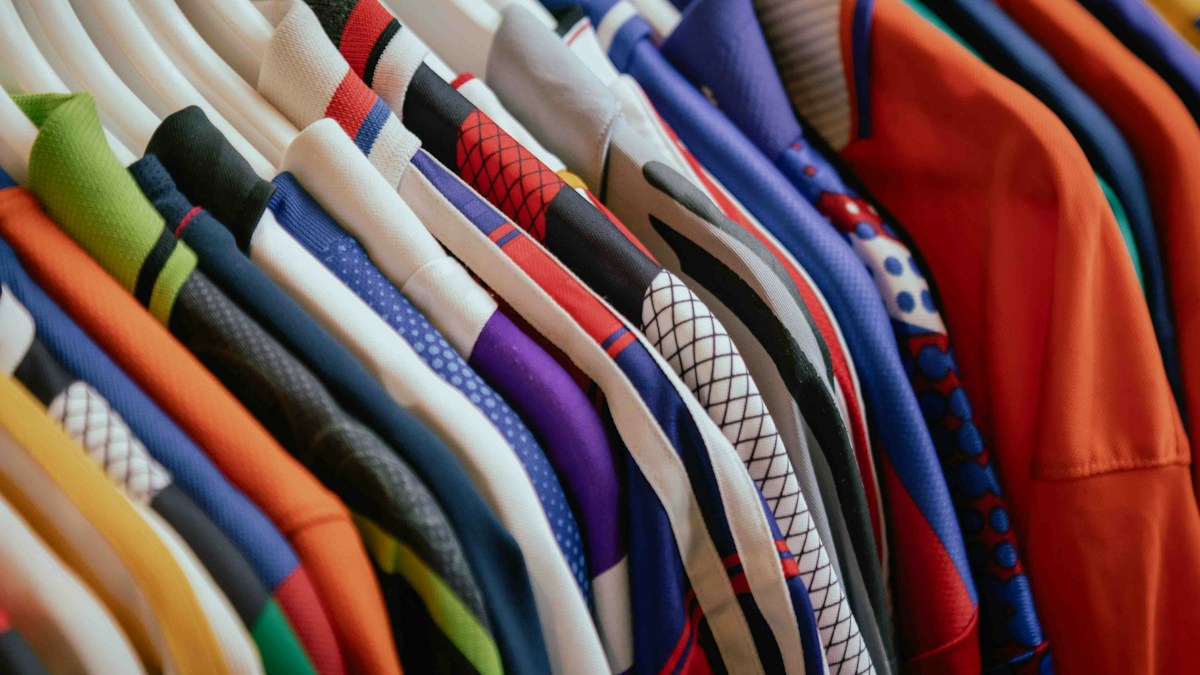
Inspect the workout shirt’s care label, fabric blend and prints before selecting a cleaning method. Polyester garments may also contain elastane or special finishes that restrict heat and additives. If only the underarms smell, a fabric-compatible local pretreatment may be more useful than treating the entire washer as faulty.
Why odor reappears
| What to check | Practical guidance |
|---|---|
| Why odor reappears | Body oil and sweat residues may remain after inadequate washing. |
| Check whether the washer is involved | If only one shirt smells, inspect that garment rather than assuming the entire machine is dirty. |
| Do not leave damp gear in a bag | Remove workout clothing promptly and let it breathe before laundering. |
Body oil and sweat residues may remain after inadequate washing. Warmth and moisture during wear can make the remaining smell noticeable again.
A synthetic shirt may hold body oils and residues even when it looks visually clean. Heat and moisture during the next workout can make the odor noticeable again. Compare an affected shirt with other clothes from the same washer cycle. If only performance fabric smells, focus on its care needs instead of assuming the machine always failed.
Check whether the washer is involved
If only one shirt smells, inspect that garment rather than assuming the entire machine is dirty. If every load smells stale, check washer cleanliness and drying conditions. The related guide to indoor drying without a musty smell is useful if clothes regularly remain damp overnight.
Odor that affects every garment in a load points toward a broader laundry issue. Check machine cleanliness, detergent dose, rinsing and drying conditions. If just one shirt smells, look for local underarm residue or a stretch fabric that has been repeatedly exposed to body oils. Changing the right variable saves unnecessary rewashing.
Do not leave damp gear in a bag
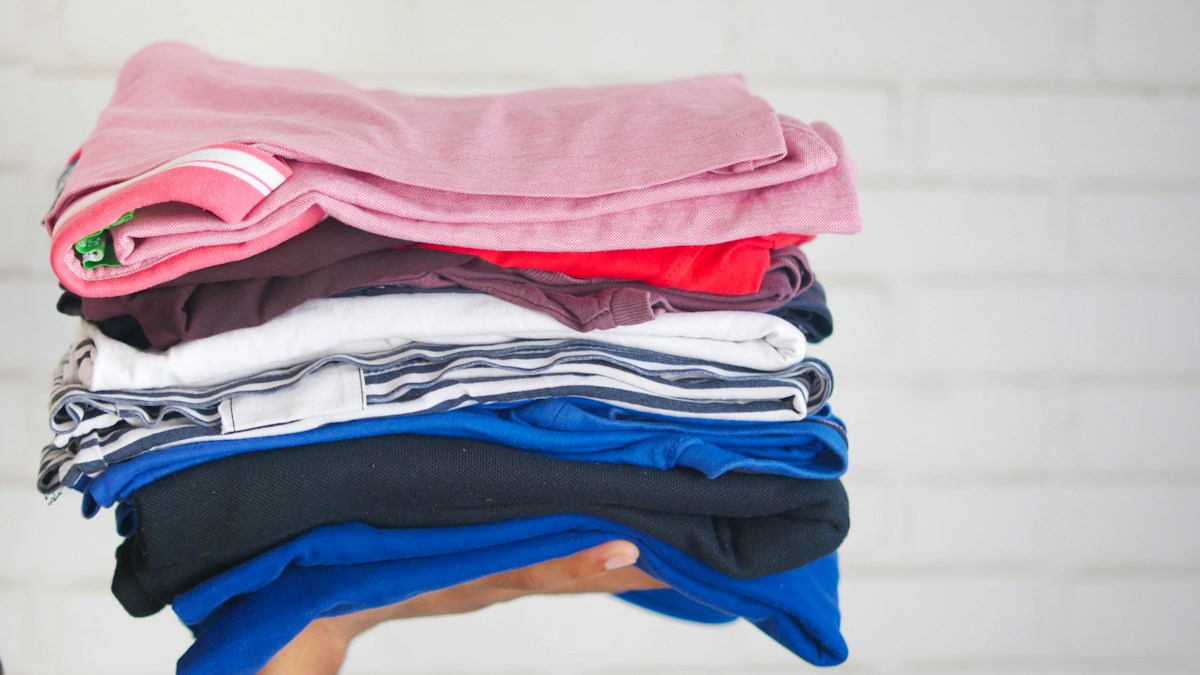
Remove workout clothing promptly and let it breathe before laundering. Long periods in closed damp bags make later odor management harder.
Do not leave used gym clothes closed inside a bag longer than necessary. A damp shirt cannot dry properly while pressed against wet shoes and towels. Separate it after training and allow appropriate airflow until it can be washed. This habit is not a substitute for washing, but it can reduce the stale conditions that complicate cleaning.
Turn inside out when allowed
The inner surface touches skin and can collect oils. Turning a garment inside out can expose the relevant areas during washing.
Turning a performance shirt inside out can expose the inner surface that touches skin to wash water and detergent. Check its prints and care instructions first. A short program may be sufficient for lightly worn gear, but heavy body soil needs proper cleaning and rinsing. Do not depend on fragrance to judge whether detergent has worked.
Use correct detergent dosage
Under-dosing can leave soil, while excessive detergent can create rinse residue. Choose a product compatible with performance fabrics.
Correct detergent measurement is more useful than automatically increasing the dose. Too little product may leave body oil, while too much can create residue that affects feel and rinsing. Use the amount specified for the washing machine, water conditions and load soil. Check the result once the shirt is fully dry.
Avoid unnecessary softener
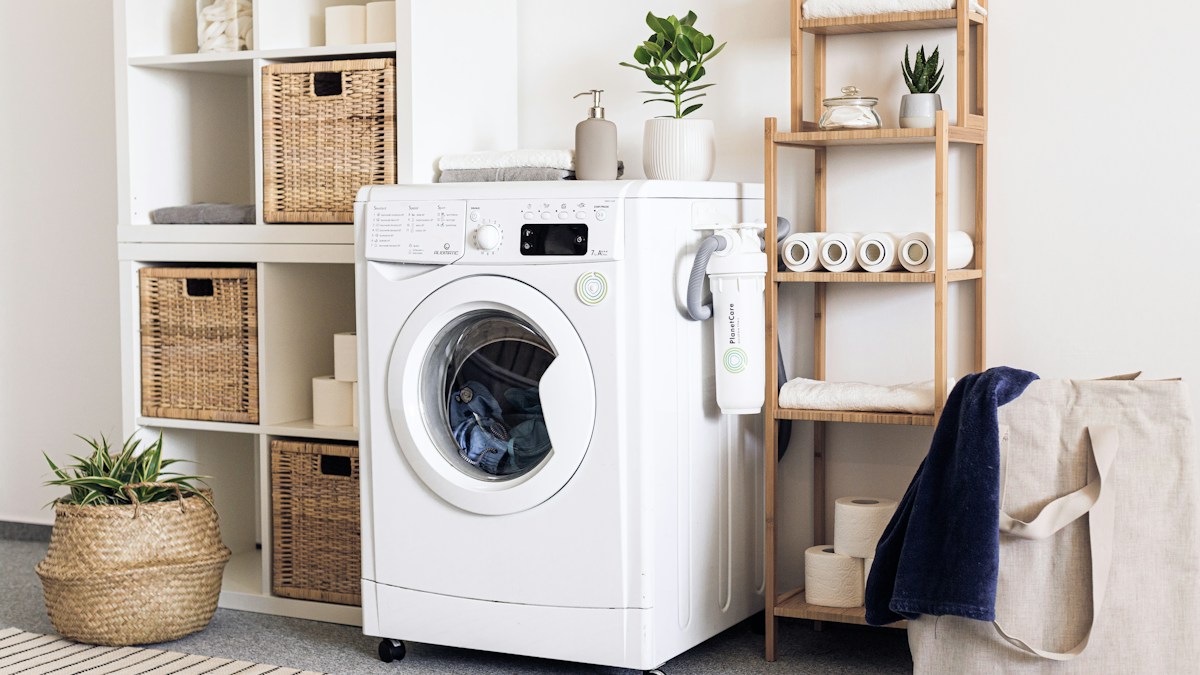
Some performance textiles should not be coated with softener because it can affect function or leave residue. Follow the specific garment label.
Many performance garments caution against fabric softener because coatings can affect moisture-handling properties or leave residue. Follow each manufacturer’s care claim rather than banning an additive for every synthetic textile. If you are troubleshooting odor, change one variable at a time so you can tell whether the absence of softener helps.
Dry completely
Air dry or tumble dry only as directed. Thick seams and underarm sections can remain damp when the outer surface feels dry.
Complete drying matters. A shirt may feel dry across the chest while thicker seams and underarm areas retain moisture. Use the drying method and temperature on its care label. Avoid prolonged high heat that can affect prints and stretch components. Do not place a slightly damp performance shirt straight into a sealed gym bag.
When to pretreat underarms
A fabric-safe pretreatment may help localized residue. Avoid abrasive scrubbing and strong solvents on thin knits.
For concentrated underarm odor, a compatible fabric pretreatment can be considered according to product and garment instructions. Test delicate dyes first and avoid aggressive brushing through thin athletic knits. If the fabric begins to pill or a logo peels, stop. Removing odor should not destroy the garment’s fit or finish.
When should you replace a shirt

Persistent odor after several correct washes, damaged stretch or degraded finishes may make replacement reasonable. Do not keep buying cleaning additives indefinitely. If the fabric has lost shape as well as cleanliness, our T-shirt replacement guide provides a more practical wear-and-tear checklist.
If odor persists after a controlled washing routine, assess the garment’s overall condition. Damaged stretch, persistent residue and peeling prints may indicate it is no longer worth restoring. A single bad wash is not grounds for replacement, but repeated correct care with no improvement can change the decision.
A Test to Separate Fabric Odor From Washer Odor
Choose one troublesome workout shirt and wash it with a small suitable load, using the correct amount of detergent and the cycle permitted by its care label. Remove it promptly, dry it fully and compare its smell with a cotton item from the same wash. If only the synthetic shirt develops odor again when worn, focus on the fabric and its retained body soil. If everything smells stale after washing, inspect the washer, rinse performance and drying conditions instead. A controlled comparison is more informative than adding three scented products.
What to Change About the Gym Bag Habit
Workout clothing often spends several hours compressed inside a bag after training. A damp garment has less opportunity to dry, and the bag itself may begin smelling stale. Remove used shirts and towels after your session; if washing cannot happen immediately, allow the items to dry safely instead of sealing them in a compartment. Separate dirty shoes from clean clothing and inspect the bag liner periodically. This does not replace laundering, but it prevents unnecessary delay and moisture buildup before the next wash.
Choosing a Wash Method That Preserves Stretch
Polyester workout shirts often include elastane, prints or special finishes. A universal hot-water soak may damage the parts that give the shirt its fit. Read the care label, turn the piece inside out when permitted and select a suitable detergent and program. Local underarm pretreatment should be gentle and product-compatible. Avoid overloading so that detergent and rinse water can reach the affected surfaces. Inspect the shirt once dry, then judge whether the odor has actually improved during normal wear rather than merely while freshly perfumed.
When to Stop Trying New Laundry Products
A garment that continues to smell after correctly performed washing may have persistent residues or material changes. Repeatedly adding strong cleaners can affect dye and elasticity without fixing the issue. Evaluate the condition of the fabric: is the waistband stretched, is the print cracking, or are the underarm fibers rough? If the garment is otherwise sound, a professional laundry service may offer advice. If the material has deteriorated, replacement can be more rational than an endless cycle of additives. Preserve the successful parts of the routine for future shirts.
Keep a Record of the Wash That Worked
If a particular detergent dose, load size and drying routine solves the odor problem, note those conditions and repeat them. That is more efficient than trying a different additive every week. If the smell returns, check what changed: a heavier workout, a longer stay inside the gym bag, a crowded washer or clothes that were stored while still damp. A consistent process helps distinguish a new problem from the old one.
A Simple Routine You Can Repeat
After washing, dry the shirt completely according to its label, then check its odor again during normal wear. Fresh detergent fragrance can hide retained soil until the fabric warms up. If the odor returns, review load size, rinsing and how long the shirt stayed damp in a bag before laundry.
A shirt that has lost stretch, developed damaged seams or continues smelling after repeated correct care may not be worth additional cleaning products. Compare the garment’s overall condition with its usefulness. Replacing worn-out athletic wear is different from discarding a good shirt after one unsuccessful wash.
Frequently Asked Questions
Why does polyester smell after washing?
Residual body oils and incomplete cleaning can contribute.
Is fabric softener good for gym shirts?
Not necessarily; some performance textiles warn against it.
Can I use hot water on polyester?
Only within the garment’s care limit.
Should I wash gym clothes immediately?
Do not leave them sealed and damp for extended periods; wash based on use and care guidance.
Does vinegar always remove sweat odor?
No. It is not a universal solution and may conflict with care or machine instructions.
The Bottom Line
A workout shirt may smell clean straight after washing and develop an odor within minutes of being worn. Build the routine around what the material and manufacturer actually permit. Choose a clear first action, verify the outcome and resist shortcuts that damage the item while trying to improve its appearance.