An emergency fund is not an investment and it is not money waiting for a better idea. It is the cash that keeps one bad month from turning into a year of financial cleanup.
The problem is that most advice jumps straight to a number without looking at the life behind it. Three months. Six months. A fixed dollar target. Those rules can be useful as rough references, but they are not the decision itself.
A better emergency fund is built around the risks you actually carry: how stable your income is, how many people depend on it, what your insurance does not cover, how expensive your essential monthly life is, and how quickly you could replace lost income.
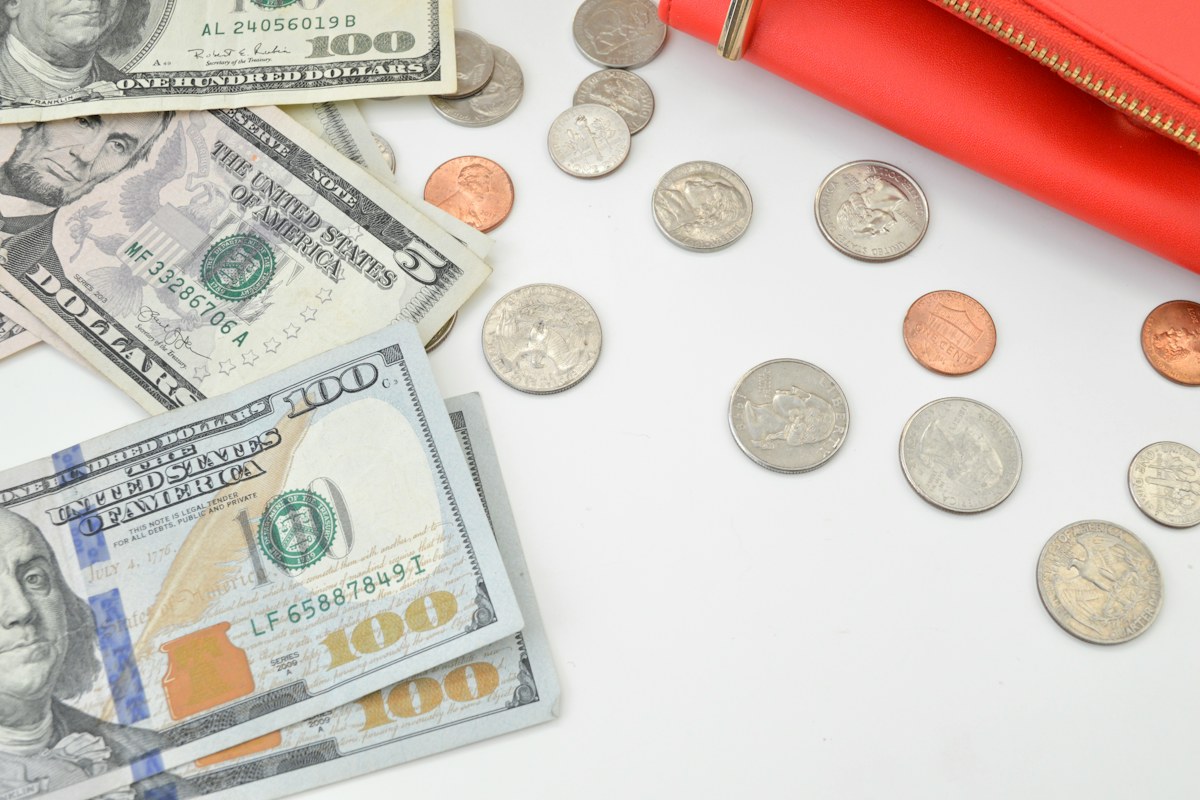
What is an emergency fund actually for?
It is a dedicated cash reserve for expenses you did not plan and cannot reasonably postpone.
The Consumer Financial Protection Bureau describes emergency savings as money set aside for unexpected expenses such as car repairs, home repairs, medical bills, or loss of income. The point is not to earn the highest return. The point is to be able to absorb a financial shock without immediately reaching for debt.
That distinction matters. A vacation is not an emergency. A predictable annual insurance bill is not an emergency. Replacing a phone because a new model came out is not an emergency. Those are expenses that belong in normal planning.
How much should you keep in an emergency fund?
Enough to cover the most likely serious disruption in your own life without forcing you into expensive debt or a rushed financial decision.
The CFPB does not prescribe one universal amount because the right number depends on the person. It recommends looking at the unexpected expenses you have faced before and using those real costs to help set a target.
That is a better starting point than copying a number from someone with a completely different job, mortgage, family, or insurance situation.
Start with your essential monthly number
Do not use your full lifestyle spending. Use the amount required to keep the household functioning if income suddenly stopped.
Include housing, utilities, groceries, insurance, minimum debt payments, essential transport, medicine, child care, and anything else that cannot simply be switched off for a month.
Then remove the spending you would cut immediately in an emergency. Restaurants, entertainment, travel, shopping, subscriptions you can cancel, and optional upgrades do not need to be fully funded in the emergency calculation.
The result is your essential monthly number. That number is more useful than your salary because it tells you how much cash actually buys one month of stability.
How many months of expenses do you need?
Use risk rather than pride.
A man with a highly stable salary, strong insurance, no dependents, and a second household income may need less cash than a self employed man with irregular income, two children, an older house, and one income supporting the household.
Think in layers.
The first layer covers small shocks. A car repair, medical copay, urgent flight, damaged appliance, or short interruption in income. The second layer protects against a larger disruption such as job loss or a long period of reduced work. The third layer is relevant when the household has unusually high risk or unusually slow income replacement.
You do not need to copy a six month target automatically. You need to know why your number is what it is.
Who should keep a larger emergency fund?
Men with unstable or concentrated income should usually lean toward more cash.
If you are self employed, work on commission, depend heavily on bonuses, work in an industry with long hiring cycles, or have only one household income, replacing a paycheck may take longer.
Dependents also raise the stakes. When children, parents, or a partner rely on your income, cutting expenses after a job loss becomes harder because some costs belong to the whole household.
Home ownership can add another reason for a larger buffer. Renters still face emergencies, but homeowners are responsible for repairs that can arrive without warning and cannot always be delayed.
Who may be able to keep less cash?
A dual income household with low fixed costs, strong job security, good insurance, and easy access to work may not need the same reserve as a household carrying more risk.
That does not mean keeping nothing. Even a financially strong household can face two problems at once. The point is simply that emergency savings should match exposure rather than become an endless cash pile that prevents every other financial goal from moving.
Where should the money be kept?
Somewhere safe, liquid, and separate enough that you do not casually spend it.
The emergency fund should not depend on the stock market being up when you need it. It should not be locked somewhere that creates a penalty or long delay when a genuine emergency arrives.
A separate savings account is often the simplest structure. If you use a U.S. bank, check that the institution is FDIC insured and understand the coverage rules. The standard FDIC insurance amount is $250,000 per depositor, per insured bank, for each account ownership category. Credit unions use a separate federal insurance system through the NCUA.
The exact account matters less than the job it does: keep the reserve safe, reasonably accessible, and separate enough that it does not become ordinary spending money.
Should an emergency fund be invested?
The core reserve should usually be treated as cash, not as a return seeking portfolio.
Investing is built around time. Emergency money is built around uncertainty. If your emergency arrives during a market decline, selling investments can lock in losses at exactly the wrong time.
This is why the emergency fund and your long term investment portfolio solve different problems. Our broader guide to building wealth with financial discipline covers the compounding side. The emergency fund protects you long enough to leave that compounding system alone.
Should you build an emergency fund before investing?
Usually, build at least a basic cash buffer before aggressively investing money you may need next month.
That does not mean every investment contribution must stop until a large cash target is complete. If an employer matches retirement contributions, that benefit deserves to be part of the decision. Investor.gov specifically encourages workers to understand and take advantage of matching funds when available.
There is no universal sequence that fits every household. A small first buffer, the cost of high interest debt, employer benefits, insurance coverage, and the risk of losing income all affect which dollar should go where next.
What about high interest debt?
Do not let the perfect emergency fund become an excuse to carry destructive debt indefinitely.
If a credit card balance is charging a high rate, the interest cost matters. At the same time, sending every available dollar to debt and keeping no cash at all can leave you borrowing again when the next unplanned bill arrives.
That tension is why the first emergency target can be smaller than the final one. Build enough margin to absorb a realistic short term shock, then decide how aggressively to divide new money between debt repayment, the larger reserve, and long term goals.
How do you build the fund when there is not much money left each month?
Make the first target smaller.
A large target can feel abstract when the account is nearly empty. Instead of staring at several months of expenses, build the first amount that would solve a common real problem in your life.
Maybe that is one insurance deductible. Maybe it is one month of essential expenses. Maybe it is the cost of the repair that forced you onto a credit card last year.
The CFPB emphasizes that even a small amount of dedicated emergency savings can improve your ability to recover from an unexpected expense. The first goal is not financial invincibility. It is creating distance between a problem and debt.
Should you automate emergency savings?
Yes, if automation stops you from renegotiating the decision every payday.
Move a fixed amount immediately after income arrives. That can be a dollar amount or a percentage. What matters is that saving happens before the money quietly turns into discretionary spending.
When income is irregular, use a percentage rather than a fixed transfer. Strong months contribute more. Weak months contribute less. That keeps the system working without creating a transfer you constantly have to cancel.
What counts as a real emergency?
Use three tests.
Is it necessary? Is it unexpected? Is it urgent?
A broken furnace in winter may pass all three. A discounted television passes none of them. A yearly property tax bill may be necessary, but it is not unexpected. It belongs in a sinking fund or normal savings plan.
This test protects the emergency account from becoming a general purpose savings account with a serious sounding name.
What should you do after using the fund?
Rebuild it.
Do not treat using emergency savings as failure. The account existed for exactly that moment. The mistake would be pretending the risk disappeared after the emergency passed.
Return to the normal automatic contribution until the reserve reaches its target again. If the event exposed a larger risk than you had planned for, change the target rather than simply restoring the old number.
When should you increase your target?
When your life becomes more expensive or more dependent on your income.
A new child, a home purchase, a move to self employment, a major increase in fixed costs, or losing a second household income can all justify a larger reserve.
Raises can matter too. When your income increases, lifestyle costs often rise with it. The useful move is to direct some of the increase toward financial resilience before the higher paycheck becomes fully absorbed. If you are still working on the income side, our guide on asking for a raise with a prepared case covers that conversation directly.
When should you stop adding to the fund?
When the reserve covers the risks you designed it for and additional cash is no longer improving your security enough to justify delaying other goals.
There is always another reason to keep more cash. That does not mean more is always better. Once the emergency reserve is properly sized, new money may have a better job: retirement investing, debt reduction, education, a home, business investment, or another deliberate goal.
Financial discipline is partly about knowing when a bucket is full enough.
A practical way to set your number tonight
Write down your essential monthly expenses. Then ask how long it would realistically take to replace your income if it disappeared tomorrow.
Next, list the largest likely non monthly costs you are responsible for. Insurance deductibles. Car repairs. Home repairs. Medical costs. Travel required for a family emergency.
Choose a reserve that can handle the income gap plus the most credible large expense without forcing you into panic borrowing. That number is your starting target.
Then automate the path toward it.
The standard to keep
An emergency fund is not impressive money. No one sees it. It does not produce a story about a winning investment or a dramatic purchase.
That is exactly why it matters. It gives you the ability to make decisions from a position of stability when life becomes expensive without warning.
The goal is not to predict every emergency. It is to build enough margin that the next one does not get to decide what happens to the rest of your financial life.