Business casual causes more confusion than formal dress because the rules are not fixed. A suit tells you what the room expects. A T shirt and jeans tell you the opposite. Business casual sits in the middle, which means judgment matters more than following a uniform.
The safest approach is not to dress as formally as possible. It is to look intentional without appearing overdressed for the environment. That usually means clean trousers, a structured shirt or knit, polished footwear, and enough restraint that the outfit looks professional before it looks fashionable.
If work clothing is only one part of your closet, start with the broader modern man’s wardrobe system. Business casual should fit into the rest of what you own rather than become a second wardrobe that only works from Monday to Friday.
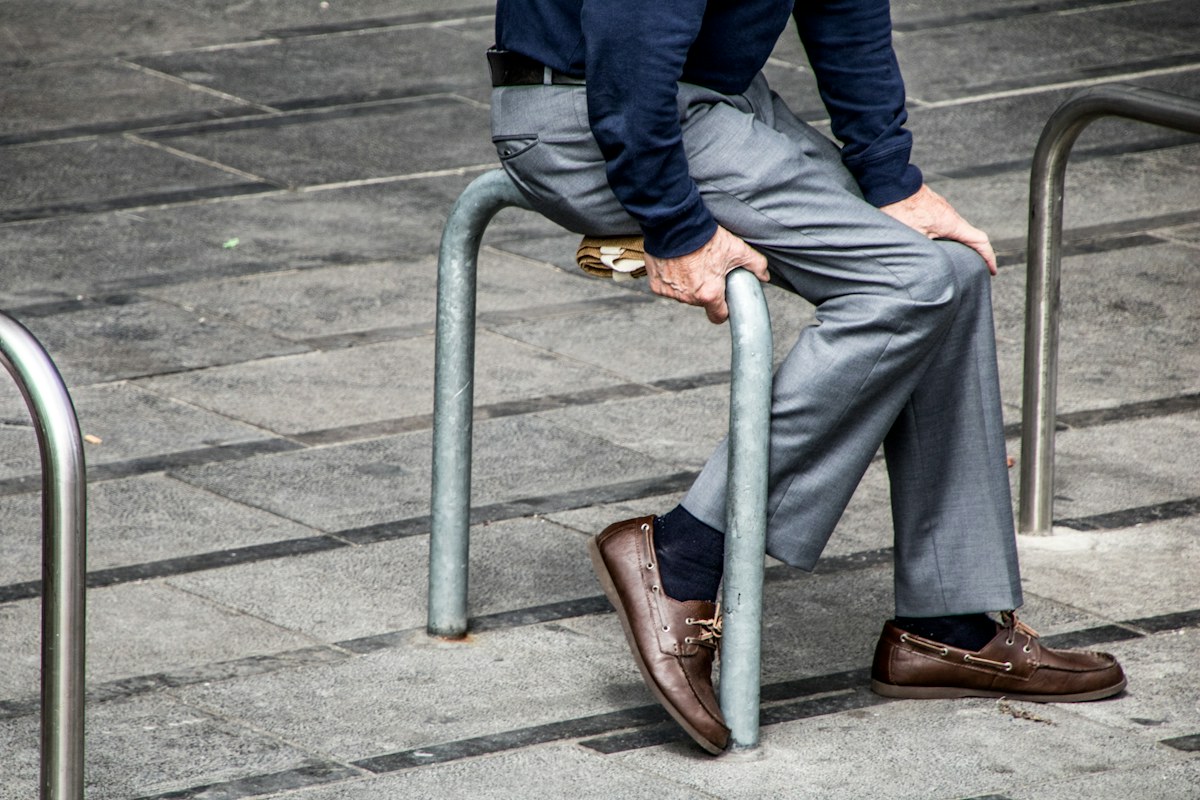
What does business casual actually mean for men?
It means professional clothing without the full formality of a suit and tie.
The exact level changes by workplace. A law firm may consider wool trousers and an Oxford shirt casual. A technology company may consider dark jeans and clean sneakers completely acceptable. That is why the first rule is to read the room you are actually dressing for.
Look at the men who are respected in your workplace, especially those one level above you. Do not copy them blindly. Notice the level of formality they use. Are jackets common? Are shirts tucked? Are sneakers normal? Does anyone wear denim in client meetings?
Your goal is to sit comfortably inside the professional range while looking slightly more considered than average.
What are the core pieces of a business casual wardrobe?
Product example
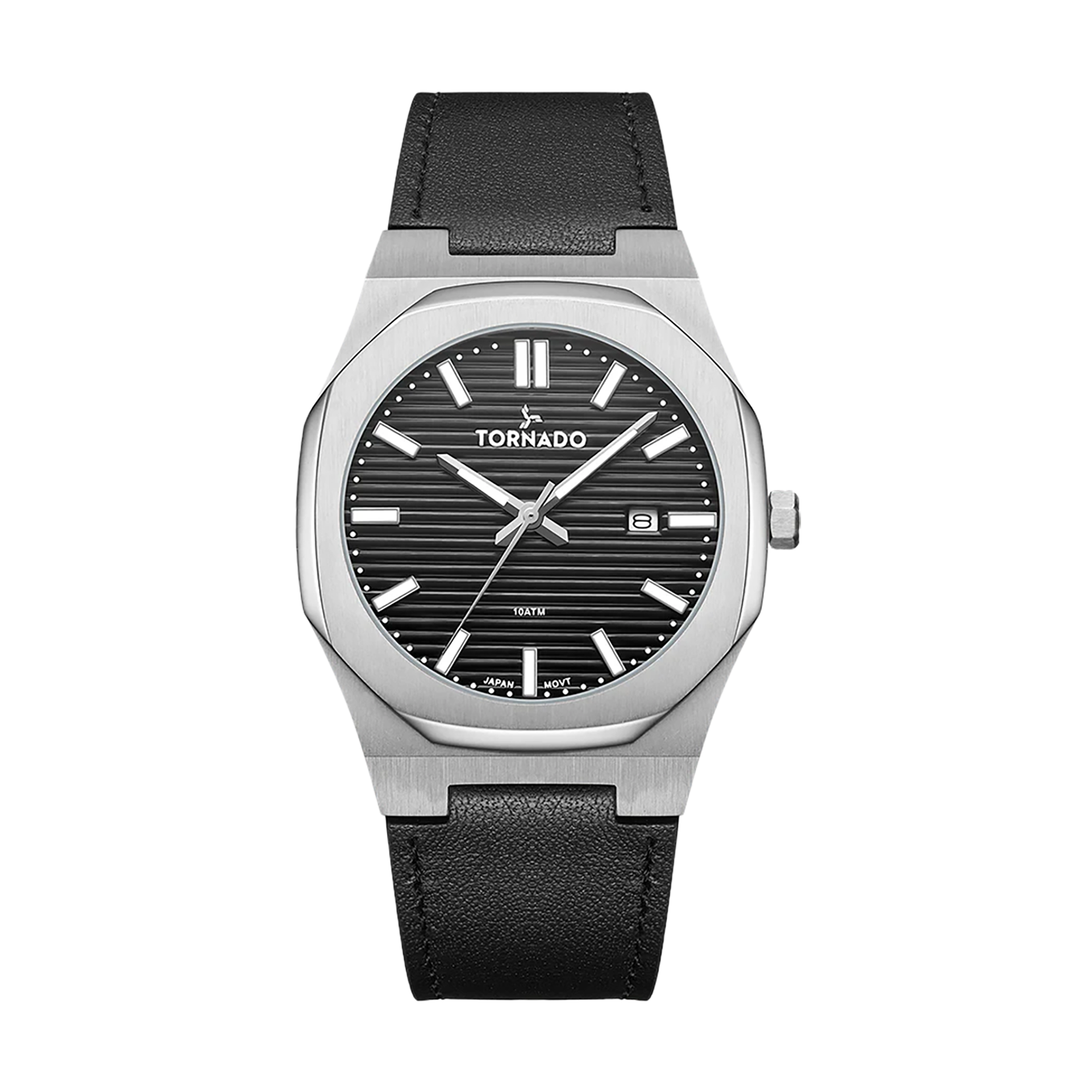
Tornado SPECTRA Analog Black Silver
A simple black-dial, silver-case watch is one optional accessory for business casual clothing. This 40 mm quartz example has a leather strap. It will not compensate for poor fit or an inappropriate office dress code. Reference price: $124 USD, subject to change and product availability.
You do not need a separate closet for work. You need a small set of pieces that can combine reliably.
Well fitting trousers
Start with navy, charcoal, olive, stone, or medium gray. These colors work with a broad range of shirts and knitwear without feeling as formal as black dress trousers.
The fit should be clean through the seat and thigh with a leg that falls naturally. Avoid excess fabric pooling around the shoe. Business casual looks best when the silhouette is controlled, even when the individual pieces are relaxed.
Oxford shirts and simple dress shirts
A white or light blue Oxford shirt is difficult to misuse. It has enough structure for a meeting but does not feel as formal as a crisp shirt designed for a suit.
Patterns can work, but keep them quiet until the foundation is built. A subtle stripe or small check adds variety without turning the shirt into the center of the outfit.
Polos and knit polos
A polo can work well when the fabric has enough structure and the fit is clean. Thin, shiny athletic polos often read too casual. A heavier cotton polo or knit polo usually holds its shape better and works naturally with tailored trousers.
Unstructured jackets
A blazer is useful, but the right one should not look like the top half of a business suit. Softer shoulders, textured fabrics, and less formal construction make a jacket easier to wear with chinos, wool trousers, or dark denim.
If jackets are uncommon in your workplace, keep one available for meetings, presentations, dinners, or situations where you need to raise the level without changing the whole outfit.
Footwear that looks intentional
Loafers, derbies, Chelsea boots, clean leather sneakers, and some minimalist trainers can all fit business casual depending on the office.
If you are choosing between more formal and more versatile footwear, our comparison of Chelsea boots and Oxford shoes shows how each one changes the tone of an outfit.
Can men wear jeans for business casual?
Yes, if the workplace accepts them and the jeans look deliberate rather than worn out.
Choose dark or medium wash denim with minimal fading, no distressing, and a clean fit. Pair it with a collared shirt, knitwear, or a jacket so the rest of the outfit carries enough structure.
The mistake is assuming any pair of jeans becomes business casual because a blazer was added. Loose faded denim, torn knees, or heavy whiskering can still pull the whole outfit too far toward weekend clothing.
Can men wear sneakers for business casual?
Often, yes. The question is what kind.
A clean leather or suede sneaker in white, brown, navy, or another quiet color can work in modern offices. Running shoes, heavily branded trainers, and visibly worn sneakers are harder to integrate because they communicate sport rather than professional intent.
If the office is conservative or client facing, loafers or simple leather shoes remain the safer choice.
Should you tuck in your shirt?
Look at the shirt and the setting.
Dress shirts and Oxford shirts are usually cleaner tucked in, especially with tailored trousers. Shorter casual shirts designed with a straight hem can work untucked if the proportions are right.
A shirt hanging far below the jacket or covering most of the seat rarely looks intentional. If you want the flexibility to wear a shirt untucked, buy one designed for that purpose rather than forcing a long formal shirt into a casual role.
What colors work best for business casual?
Neutral colors do most of the work because they combine easily and reduce the chance of looking chaotic.
Navy, gray, white, light blue, olive, brown, cream, and tan can build dozens of outfits with very little effort. Start there. Add stronger colors once you know how they interact with the rest of the wardrobe.
A good business casual closet should let you dress half awake on a Monday morning without accidentally creating a bad combination.
How should business casual clothes fit?
Fit should look controlled but not restrictive.
Shirts should follow the torso without pulling across the buttons. Trousers should sit comfortably at the waist and fall cleanly through the leg. Jackets should fit through the shoulders first, because shoulder structure is difficult to alter well.
Do not chase an extremely slim silhouette if it makes movement awkward. Clothes that look good only when you stand still are not well fitted.
What should you wear when the office is very casual?
Do not use the relaxed dress code as an excuse to stop making decisions.
If everyone wears T shirts and sneakers, you can still improve the look through fabric, fit, and restraint. A heavyweight plain T shirt, well fitting trousers or dark jeans, clean shoes, and a simple overshirt can look more professional than a random graphic tee without looking like you misunderstood the culture.
The point is not to become the man wearing a sport coat in a room full of hoodies. It is to look like you chose your clothes on purpose.
What should you wear when clients are involved?
Move one level more formal than your ordinary internal office clothing unless you know the client environment well.
A collared shirt, tailored trousers, and leather shoes create a reliable baseline. Add a jacket when the meeting carries more weight or when senior people in the room dress that way.
It is easier to remove a jacket after realizing the room is relaxed than to repair an outfit that feels too casual once the meeting has started.
How do you make business casual work in hot weather?
Use lighter fabrics rather than abandoning structure.
Choose breathable cotton, linen blends, tropical weight wool, and lighter knitwear. Looser weaves allow more air movement than dense heavy fabrics.
Light colors can also help the outfit feel seasonally appropriate. Stone trousers, pale blue shirts, cream polos, and light gray tailoring work naturally in warm conditions.
You do not need to trade professionalism for comfort. You need fabrics designed for the climate.
What about cold weather?
Cold weather is easier because layers add structure.
Merino knitwear, textured jackets, overshirts, wool trousers, and clean coats all fit business casual naturally. A fine gauge crewneck over an Oxford shirt can replace a blazer on days when you want polish without formality.
Outerwear matters because it is the first thing people see when you arrive. A clean wool coat or structured jacket can sharpen an otherwise simple outfit immediately.
Should business casual include a tie?
Usually not, unless your workplace has its own expectations.
A tie raises the level quickly and can make an outfit feel mismatched if everything else is relaxed. If you need more formality, a jacket and proper shoes often do the job more naturally.
When a tie is appropriate, make sure the shirt, trousers, and jacket support it. A tie should not be the only formal object in the outfit.
What mistakes make business casual look weak?
The most common mistake is mixing pieces from different levels of formality without understanding why they clash.
Running shoes with formal wool trousers. A stiff suit jacket with heavily faded jeans. A dress shirt untucked because the office is casual. Athletic polos with polished formal shoes. None of these combinations are impossible, but they require much more judgment than a simpler outfit.
The second mistake is neglect. Wrinkled shirts, dirty shoes, stretched collars, and trousers that drag over the ground undermine expensive clothing faster than a modest wardrobe ever will.
How many business casual outfits do you actually need?
Fewer than most men think.
Three pairs of trousers, four or five shirts, two pieces of knitwear, one useful jacket, and two pairs of shoes can create enough combinations for a full workweek without obvious repetition.
The value comes from compatibility. A wardrobe where every top works with every trouser creates more useful outfits than a larger wardrobe built from isolated purchases.
If you want to make the work rotation even smaller, our guide to building a capsule wardrobe you will actually wear uses the same principle: compatibility matters more than owning more options.
What should a man buy first?
Start with the gap that causes the most friction.
If you have shirts but no proper trousers, buy trousers. If the outfits work until you reach the shoes, fix the shoes. If you own plenty of casual clothing but never have anything for a client meeting, add one jacket before buying another polo.
Business casual becomes easy when each new purchase solves a real problem rather than adding another option to a category you already have covered.
A simple business casual formula that works
Use one structured piece, one relaxed piece, and clean footwear.
That could mean tailored trousers with a knit polo and loafers. Dark jeans with an Oxford shirt and Chelsea boots. Chinos with a crewneck knit and clean leather sneakers. Wool trousers with a plain T shirt and an unstructured jacket.
The formula keeps the outfit professional without turning every workday into a suit day.
The standard to keep
Business casual should make you look competent, comfortable, and aware of the room.
You do not need to chase office fashion. You need reliable clothes that fit, combine easily, and let you adjust the level of formality without rebuilding the outfit from scratch.
Dress for the environment you are in, then sharpen the details. That is enough.
Affiliate Disclosure: This article contains an affiliate link. Modern Men HQ may earn a commission if you purchase through it, at no additional cost to you. Read our full Affiliate Disclosure.