A dress shirt can be the right size on the label and still fit badly. Fit also has to survive a normal working day: button the collar, sit down, reach forward and check whether the shirt pulls across the upper back.
The collar can choke you. The shoulders can drop too far. The chest can pull. The sleeves can cover half your hands. None of those problems are fixed by paying more for the shirt.
A good dress shirt follows the shape of your body without clinging to it. You should be able to move, sit, reach, and breathe without the shirt looking loose enough to belong to someone else.
How should a dress shirt fit?
The collar should close comfortably. The shoulder seam should sit near the edge of your shoulder. The chest should lie flat without pulling. The sleeves should end at the wrist. The body should have enough room to move without large folds of extra fabric.
Fit starts with the parts that are hardest to alter, especially the collar and shoulders.
Dress Shirt Fit: What You Can Fix and What You Should Reject
Start with the areas that are difficult to alter, then judge the details you can adjust. Try the shirt buttoned, tucked, standing and seated; a good photograph alone cannot tell you whether it is comfortable.
| Fit checkpoint | What you want to see | If it looks wrong |
|---|---|---|
| Collar | Closes comfortably without squeezing or floating away. | Try another collar size or brand before considering alterations. |
| Shoulders | Seams align naturally with the shoulder, without pulling or hanging too far down. | Try a different size or pattern; major shoulder corrections are rarely economical. |
| Chest and waist | Buttons lie flat while you can sit, reach and breathe. | Excess fabric can sometimes be tailored; pulling usually requires more room. |
| Sleeves | Length and movement work with your wrist and cuffs. | Check your actual collar and sleeve measurements and alteration options. |
| Body length | Long enough to remain tucked if the shirt is meant to be tucked. | Walk, sit and raise your arms before buying; styling does not fix an overly short hem. |
A tailor can assess minor changes to the body or sleeve, but the alteration cost and construction determine whether the shirt is worth keeping. If the collar and shoulders are clearly wrong, try another cut instead of assuming tailoring will solve everything.
How should the collar fit?
You should be able to button the collar without feeling pressure on your throat.
A useful test is to slide one or two fingers between the collar and your neck. There should be some room, but not enough for the collar to float away from the neck.
If you wear a tie, test the shirt with the top button closed.
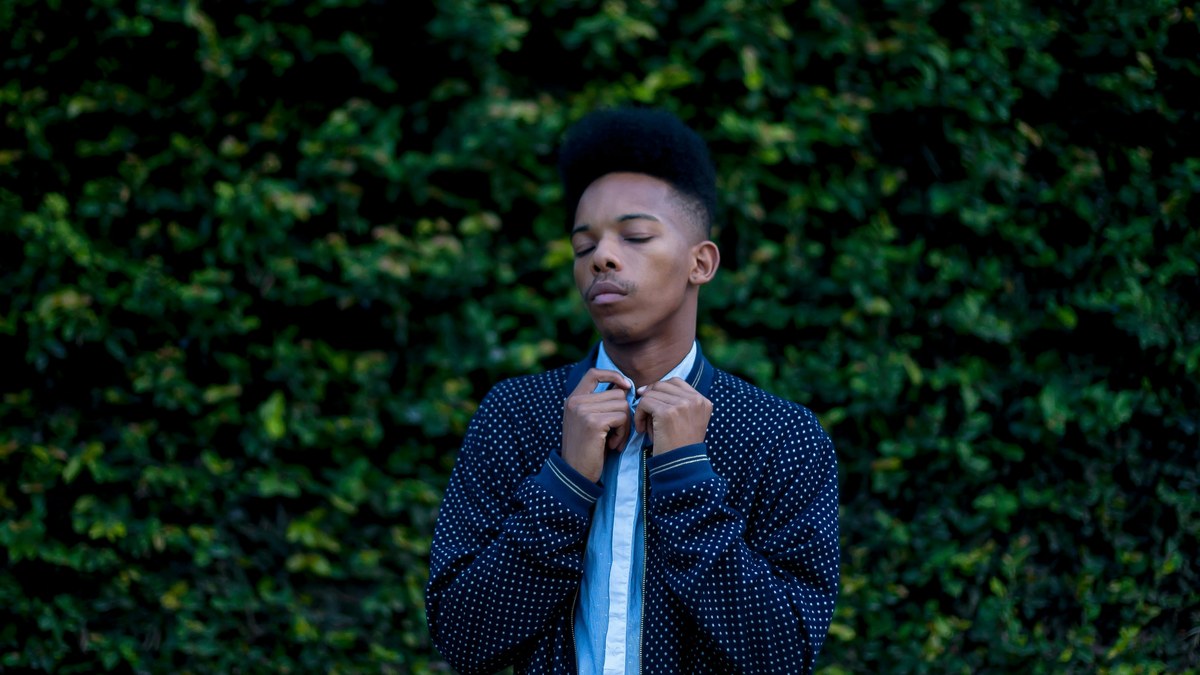
Where should the shoulder seam sit?
The seam should land close to the point where your shoulder ends and your upper arm begins.
If it hangs down the arm, the shirt is too large through the shoulders. If it pulls toward the neck, it is too small.
Shoulder fit matters because it affects how the whole shirt hangs.
How should the chest fit?
The fabric should lie cleanly across the chest without stretching between the buttons.
If the buttons pull apart when you stand normally, the shirt is too tight.
If large folds form around the chest and underarms, it is too loose.
You need enough room to breathe and move your arms without the shirt losing its shape.
How should the waist fit?
The shirt should narrow enough to avoid large balloons of fabric, but not so much that it clings to the stomach.
A fitted shirt should follow the body. It should not outline every part of it.
If the shoulders and chest fit but the waist is too loose, a tailor can often remove extra fabric.
How long should dress shirt sleeves be?
The cuff should reach the wrist bone when your arms rest naturally.
When you bend your arm, the sleeve should not pull far up the forearm.
If you wear a jacket, a small amount of shirt cuff should remain visible beyond the jacket sleeve.
How tight should the cuffs be?
The cuff should stay near the wrist instead of falling over the hand.
It should still have enough room for normal movement.
If you wear a watch, make sure the cuff works with it. Some shirts have slightly more room on one cuff for that reason.
How long should the shirt body be?
A dress shirt meant to stay tucked should be long enough that it does not pull free every time you sit or reach.
The front and back usually extend lower than a casual shirt for this reason.
If the shirt is designed to be worn untucked, the body should be shorter and the hem should not cover most of the seat.
Should a dress shirt be slim fit?
Only if slim fit matches your body.
The words slim, tailored, classic, and regular are not universal measurements. One brand’s slim shirt may fit like another brand’s regular shirt.
Judge the actual shirt, not the label.
What does button pulling mean?
It usually means the shirt is too tight through the chest or stomach.
Stand normally. If the fabric pulls between buttons before you even move, size up or choose a different cut.
A shirt that fits only when you stand perfectly still does not fit.
How much extra fabric is too much?
Some extra fabric is normal because a shirt needs movement.
The problem is large folds that make the body look wider or create a heavy balloon above the waistband.
If you can gather a large handful of fabric at each side, the shirt may be too loose through the body.
Can a tailor fix a dress shirt?
Yes, but only some problems are worth fixing.
A tailor can often adjust the waist, sleeve length, and sometimes the sleeve width.
Shoulders and collars are much harder to change well. Buy those areas correctly first.
How should an Oxford shirt fit?
An Oxford shirt can fit a little more relaxed than a formal dress shirt.
The fabric is usually heavier and the shirt often works in more casual settings.
The same core rules still apply: good shoulder placement, no pulling across the chest, useful sleeve length, and enough room to move.
How should a shirt fit under a suit?
It should sit close enough that it does not bunch heavily under the jacket.
The collar should work with a tie if you wear one. The cuffs should reach the wrist cleanly. The body should stay tucked.
If you are also buying tailoring, our guide to buying a suit that actually fits explains the jacket and trouser checkpoints that matter most.
How should a business casual shirt fit?
Business casual gives you more room to relax the structure, but the fit should still look deliberate.
A softer Oxford, knit polo, or casual button shirt can have more ease than a dress shirt.
The difference is relaxed, not sloppy.
Our business casual guide for men shows how shirts, trousers, shoes, and jackets work together.
Should you size up if you have broad shoulders?
Buy for the shoulders and chest first.
If that creates too much fabric at the waist, tailoring is usually easier than trying to force broad shoulders into a smaller shirt.
Do not choose a tight collar and chest simply to make the waist look cleaner.
What if one size is too small and the next is too big?
Try a different cut or brand.
Body proportions vary too much for every brand to fit every man well.
If the collar and shoulders fit in the larger size, tailoring the body may also solve the problem.
Should the shirt stretch when you reach forward?
A little tension is normal. Strong pulling is not.
Reach forward as though holding a steering wheel. Raise your arms. Sit down.
If the shirt feels restrictive during basic movement, it is too tight somewhere.
How should the armholes fit?
Higher armholes usually allow cleaner movement because the whole shirt does not lift when you raise your arms.
They should not cut into the armpit.
Very low armholes can create extra fabric and make the shirt move like a loose jacket.
Does fabric change how a shirt should fit?
Yes.
Some fabrics have natural give. Others are firm.
A shirt with stretch can feel comfortable closer to the body, but stretch should not be used to justify a shirt that is clearly too small.
Heavy Oxford cloth also hangs differently from a fine poplin.
What should you check in the fitting room?
Button the whole shirt.
Check the collar. Look at the shoulder seam. Turn sideways and look at the chest and stomach. Bend both arms. Raise them. Sit if you can.
Then tuck the shirt into trousers and see how much fabric gathers at the waist.
Do not judge the fit only from the front while standing still.
Should you buy a shirt that is slightly large and tailor it?
Sometimes.
If the collar and shoulders are right and the body is only a little loose, tailoring can create a very good fit.
If the shirt is large everywhere, tailoring may cost more than choosing a better shirt in the first place.
How many dress shirts does a man actually need?
Enough to cover the situations you face without owning duplicates you never wear.
A man in a formal office may need several. A man who works from home may need only two or three good shirts for meetings, events, and dinners. The full guide to how many dress shirts a man should own walks through the laundry cycle and rotation rather than prescribing one number for every closet.
The broader rule from our modern man’s wardrobe guide applies here too: buy for the life you actually live.
What colors should you buy first?
White and light blue are the easiest starting points for formal and business use.
They work with most suits, trousers, ties, and jackets.
Once those basics are covered, subtle stripes and other quiet colors can add variety.
Should you prioritize fit or fabric?
Fit first.
Good fabric cannot rescue a shirt that pulls at the chest or hangs off the shoulders.
Once the fit is right, fabric quality becomes worth paying for.
The dress shirt fit checklist
The collar closes without choking you.
The shoulder seam sits near the shoulder edge.
The chest lies flat with no button pulling.
The waist follows the body without clinging.
The cuffs reach the wrists.
The shirt stays tucked when you move.
You can sit, reach, and breathe normally.
If those points are right, the shirt is doing its job.