A business trip can make a good training routine disappear for several days. Flights run late, meetings fill the calendar and a hotel gym turns out to have two treadmills and a scattered rack of dumbbells. It is easy to decide that a proper session is impossible and postpone everything until home.
You do not need to recreate your normal gym session exactly. A useful travel workout preserves the movement patterns that matter: squat or lunge, hinge, push, pull and some trunk work. Use the equipment available, choose a manageable amount of effort and finish before the session begins competing with sleep or your actual work responsibilities.
The practical starting point is a thirty minute full body workout you can repeat once or twice during a short trip. The CDC recommends muscle strengthening work on at least two days a week for adult health. A hotel session may help maintain consistency, but it does not need to deliver a personal record. The aim is to return home able to resume training, not spend the trip recovering from an unnecessarily brutal workout.
What should a travel workout actually accomplish?
During a short business trip, maintenance and consistency are reasonable targets. You might not have your usual barbell, plates or training partner, but you can still practice controlled movements and apply meaningful resistance. A session that touches the main muscle groups may be more useful than spending all your time searching for an exact substitute for one favorite exercise.
Separate your normal training goals from what the trip allows. If you are accustomed to lifting heavy, the limited dumbbells in a hotel may make true strength progression difficult. You can still work with a controlled tempo, more challenging variations or moderate rep ranges without pretending those are perfect replacements for your regular program.
A good trip workout fits between meetings, respects poor sleep and leaves you functional the following day. If you are severely fatigued after travel, walking, mobility work or rest may be a better use of the window than forcing a demanding session.
Inspect the hotel gym before planning the workout
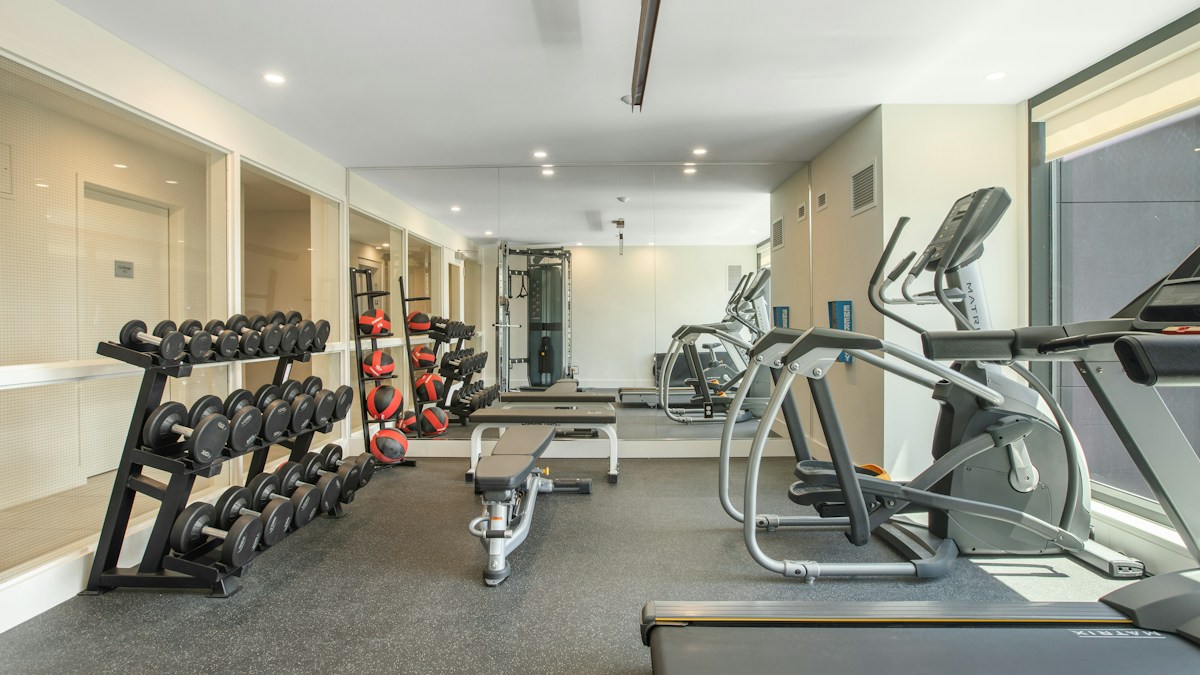
Look at what the space actually has: stable benches, dumbbell range, cable machine, open floor, cardio equipment and room to move safely. Equipment photographs on booking websites may be old, incomplete or show facilities that are not available during your stay. If you can, inspect the room briefly before deciding on your exercise list.
Choose exercise patterns rather than exact machines. A goblet squat can stand in for one lower body movement, a dumbbell Romanian deadlift can cover hip hinging and a floor press or push-up can cover horizontal pushing. Rows may be possible with a dumbbell and a secure bench, but do not improvise unstable supports in a cramped hotel room.
If equipment is broken or the dumbbells available are too light for meaningful effort, switch to a bodyweight plan. Do not attach yourself to a routine merely because the equipment was advertised. Good judgment is more useful than completing a list at any cost.
How should you warm up in a hotel gym?
Use the first few minutes to raise your temperature and check the movements you intend to perform. A brisk walk, cycling or easy movement can help you transition from sitting in meetings or traveling. Follow with several unloaded versions of your first exercise and gradually increase effort before working sets.
Keep the warmup relevant. If you will squat, practice controlled squat depth and ankle movement. If you will press, move the shoulders through a comfortable range. There is no need for an elaborate sequence of exercises that consumes half the session, but jumping straight into difficult sets after a long flight is also unwise.
Discomfort is useful information. A joint that feels painful or unstable after travel deserves caution rather than an attempt to push through. Adapt the exercise or stop and seek appropriate advice if needed.
The 30-minute full-body dumbbell session
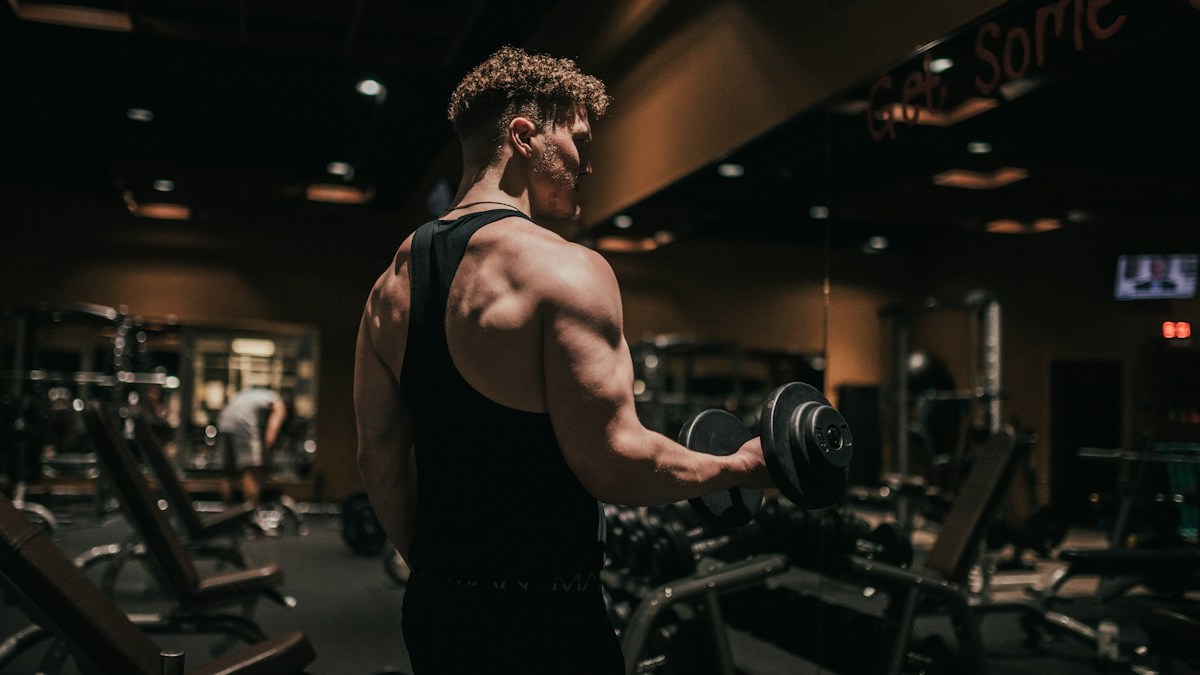
Start with a five minute warmup. Then alternate major movements in a simple sequence: goblet squat, dumbbell row, dumbbell Romanian deadlift, dumbbell floor press or bench press and a controlled trunk exercise such as a plank. Choose a weight you can move with sound technique, leaving enough effort in reserve to finish the planned work without breakdown.
For a general starting template, perform two sets of each main lift, usually in a manageable range such as eight to twelve repetitions, with rest sufficient to maintain control. Do not turn the routine into frantic circuits when you are lifting heavy enough to require careful setup. A few solid sets across movement patterns beat a pile of rushed half repetitions.
The exact reps are suggestions rather than medical or universal prescriptions. Experienced lifters may use tougher variations or more resistance, and beginners may need lighter loads and simpler movement options. When the available weights are limited, slower lowering and full controlled range can make moderate loads more useful without requiring risky improvised equipment.
| Time | Movement | Work |
|---|---|---|
| 0–5 minutes | Gentle movement + exercise rehearsal | Warm up and check technique |
| 5–10 minutes | Goblet squat | 2 comfortable work sets |
| 10–15 minutes | One arm dumbbell row | 2 controlled sets each side |
| 15–20 minutes | Dumbbell Romanian deadlift | 2 controlled sets |
| 20–25 minutes | Floor or bench press | 2 controlled sets |
| 25–30 minutes | Plank or simple trunk exercise plus cooldown | Keep breathing steady |
How can you train with no hotel gym at all?
For another short equipment-free option, see our ten-minute home workout and adapt it only to suitable safe space.
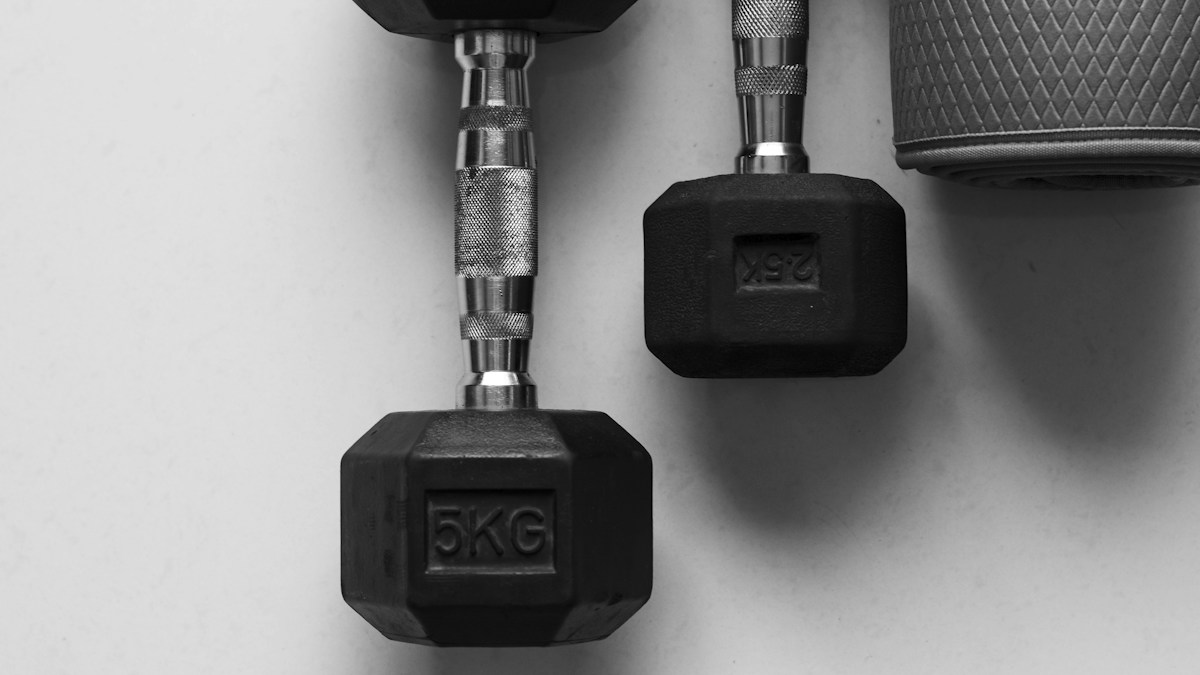
In a room with enough clear floor and no equipment, you can still build a short circuit around squats, reverse lunges, push-ups at an appropriate angle, hip bridges and a plank variation. The missing element is often a true pulling exercise. Do not perform questionable towel rows from a door or hinge unless the setup is specifically designed and rated for bodyweight training.
Perform movements at a steady controlled pace with rests between efforts. If ordinary push-ups are too demanding, use a stable elevated surface suited to the load. If they are easy, choose a slightly harder version rather than adding hundreds of repetitions that mainly irritate joints. For a very short option, our [ten minute home workout](https://modernmenhq.com/lifestyle/10-minute-home-workout-men/) can provide another time efficient baseline.
You do not need to exhaust yourself to count a workout. A modest well performed session may be the right choice on a travel day, particularly when sleep, hydration and meals are not at their usual standard.
| Movement | Repetitions or duration |
|---|---|
| Squat variation | 8–15 controlled reps |
| Incline or floor push-up | 6–12 reps, suited to ability |
| Reverse lunge | 6–10 each leg |
| Glute bridge | 10–15 reps |
| Plank | Comfortable controlled hold |
Repeat only when form and time allow. Avoid unsafe furniture or improvised loading.
Should you do the workout every day on a business trip?
For recovery choices, our guide to rest days versus active recovery provides a useful decision framework.
Usually not. Strength sessions need enough recovery, and a trip adds its own fatigue. For a three or four day trip, one or two full body sessions may be plenty to maintain routine. If you have an intense training program at home, consider how the trip fits into your overall week rather than piling hotel sessions on top of everything.
The CDC’s broad public health guidance calls for strengthening activities at least two days per week, not necessarily back to back. Those recommendations are a health baseline, not an individualized hypertrophy program. A vacation or work trip does not erase progress because you trained less than normal for a few days.
Use walking and lower intensity movement between sessions as desired. Our [rest day versus active recovery guide](https://modernmenhq.com/lifestyle/rest-day-vs-active-recovery-what-should-you-do-between-workouts/) explores when extra work supports recovery and when it merely adds fatigue.
How hard should you train when equipment is limited?
Keep good technique and use perceived effort as a practical guide. A set should feel like meaningful work without requiring an uncontrolled final repetition. In unfamiliar gyms, the priority is to move safely and consistently, not discover the heaviest possible weight after a sleepless flight.
If hotel dumbbells stop at a modest weight, adjust one variable at a time. Try a slightly higher rep range, slower controlled lowering or a unilateral variation that is suitable for your ability. Avoid makeshift load increases with chairs, suitcases or unstable equipment.
Record a simple note about the exercises and loads used. When you return to your regular gym, resume your established progression rather than treating the hotel numbers as direct equivalents. Different equipment and ranges of motion can make a lighter exercise challenging for reasons that do not map precisely onto your home lifts.
How do flights and poor sleep change the plan?
Travel fatigue is real, and sleep loss affects how alert and coordinated you may feel. If you arrived late, are dehydrated or have spent hours sitting, it may be sensible to shorten the session or skip it. Getting back to adequate rest is part of maintaining a training routine, not an admission of failure.
A low stakes hotel workout should not compromise next day’s concentration at work. If you notice dizziness, chest discomfort or unusual shortness of breath, stop and seek appropriate medical care. If the issue is ordinary tiredness, scale intensity down rather than insisting on an aggressive program.
For longer trips, use time of day thoughtfully. Training very late when you already struggle to sleep may create more problems than it solves. A short morning or afternoon session can be easier to repeat than a workout squeezed in after a long evening event.
How do you fit the session around meetings?
Put the session into a weekly planning routine rather than depending on a sudden gap in your schedule.
Treat the workout like a small appointment with a defined start and finish. Check the conference agenda or client schedule, choose a realistic time and have clothing prepared the night before. A vague plan to train “if there is a gap” often disappears when the day runs late.
Plan one fallback. If the gym is busy, use a floor based bodyweight circuit. If you only have fifteen minutes, complete your warmup and a handful of effective sets instead of canceling everything. The goal is repeatability under imperfect conditions, not control over every hour of the trip.
A simple [weekly planning process](https://modernmenhq.com/mindset/weekly-planning-system-men/) is useful for keeping the travel week honest. Identify the sessions that are genuinely possible and accept that some days will be used for meetings, sleep or travel.
What about food and recovery on the road?
You do not need a perfect meal plan to preserve a useful training habit during travel. Aim for ordinary balanced meals, adequate fluid intake and enough protein from food that suits your circumstances. If you use supplements, do not treat them as a replacement for sleep and regular meals.
Hotel buffets and restaurant dinners make exact tracking harder, but a few days of variation do not require drastic compensation. Eat in a way that supports energy and digestion during the workday. Avoid a punishing workout as a reaction to a heavy dinner or a dessert at a client meal.
Recovery is about the whole schedule. If you are in a new time zone, prioritize returning to a workable sleep rhythm and managing fatigue. Training is one part of a good trip, not a reason to turn every evening into another obligation.
How should you return to your normal gym after traveling?
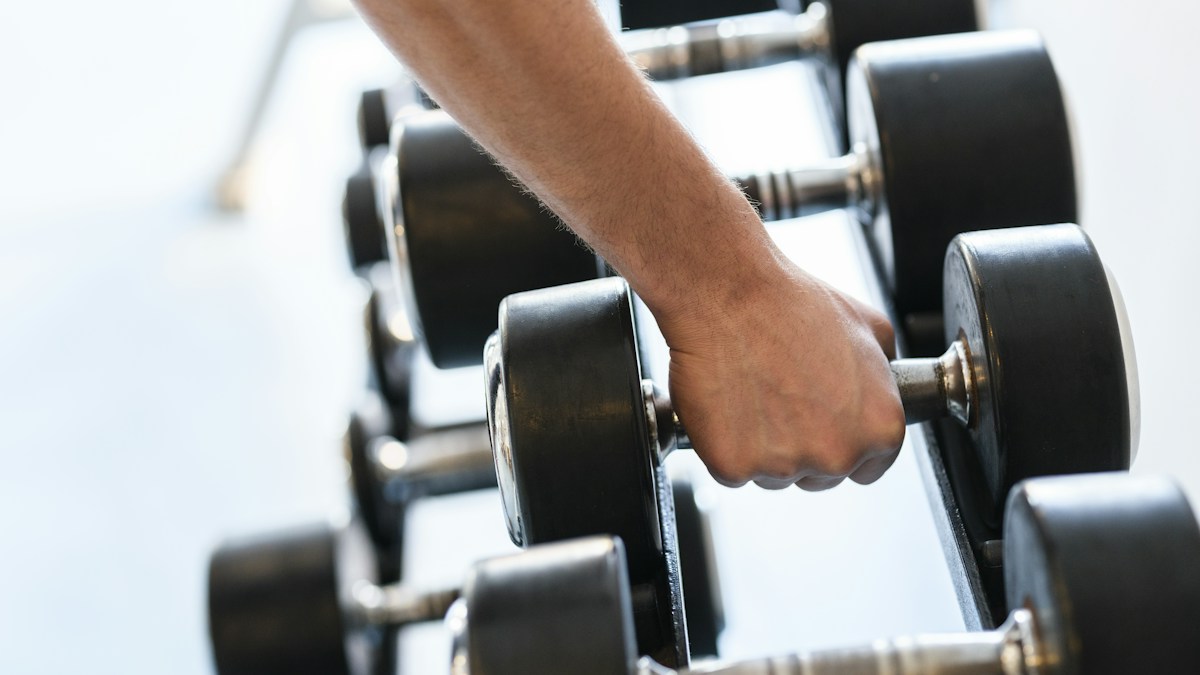
Resume with an honest assessment of fatigue, not an automatic demand to make up every missed set. A few travel days without your normal equipment generally do not require doubling the next week’s volume. Choose loads and exercises you can handle well and work back toward your plan as usual.
If you trained in hotel gyms, think of those sessions as continuity rather than a separate period that needs dramatic compensation. If you did not train, start again normally instead of making the first session back a punishment. Consistency is built across months, not proven by a single intense day.
Review which travel routines were easiest to execute. A small packed training kit, a reliable thirty minute session or a realistic appointment in the calendar may help on the next trip. Keep only the improvements that made movement easier without making travel less enjoyable.
Frequently Asked Questions
Is a 30-minute hotel gym workout enough?
It can be a useful maintenance session during travel, especially when it trains major movement patterns with appropriate effort. Your needs depend on your regular program.
Can I build muscle using hotel dumbbells?
Some people can train effectively with lighter dumbbells, especially using controlled variations, but equipment and progression limits may affect long term results.
Should I train after a red-eye flight?
Scale the plan to fatigue and safety. Rest or light movement may be more appropriate when you are severely sleep deprived.
What if the hotel gym has only treadmills?
Use a safe bodyweight circuit if there is appropriate space, or treat the day as a walking or recovery day rather than improvising unsafe resistance exercises.
How many hotel workouts should I do in a week?
Many adults can plan one or two sessions during a short trip. Account for training at home, recovery needs and CDC guidance for at least two strength days overall.
The bottom line
Travel does not need to interrupt every form of progress. Use the room and equipment you actually have, protect sleep and recovery, and choose a workout you can finish without turning the trip into a second job. When you return, continue your normal program instead of trying to pay back missed sessions.