A business trip needs a different calculation from a holiday. Count the actual formal obligations first, including travel day and client dinners, before deciding how many interchangeable shirts and trousers earn a place. Meetings, client dinners and work equipment create fixed requirements, while the temptation to pack a fresh formal outfit for every day increases weight fast. The right plan begins with dress codes, not clothing quantity. Repeating an unobtrusive jacket or trousers is usually less noticeable than arriving with a creased shirt and no working charger.
Quick answer
- Map the schedule before touching a suitcase
- Choose one coordinated base wardrobe
- Count shirts according to real conditions
Build the bag around the most formal appointment, then plan five days of compatible outfits. Pack enough fresh shirts, socks and underwear, reuse suitable trousers and outer layers where practical, protect meeting clothes from compression, and keep the laptop, approved chargers and essential documents accessible. Check whether the itinerary genuinely requires a second pair of shoes.
Start With the Constraints That Actually Matter
Your route, accommodation, weather and scheduled activities should determine the bag, not a social-media packing photograph. Check the allowance attached to your specific ticket, including dimensions, weight, personal item and possible gate-check conditions. Aviation rules can change by airline, airport and country. If anything involves liquids, batteries or restricted gear, use the current official guidance for your journey instead of a universal assumption.
Map the schedule before touching a suitcase
List formal presentations, normal office days, client dinners and travel legs. Label the highest dress code and work downward from there. A day spent in transit may not require a separate outfit from a casual dinner. If a black-tie event is part of the itinerary, that changes the entire bag decision rather than being handled as a last-minute add-on.
Choose one coordinated base wardrobe
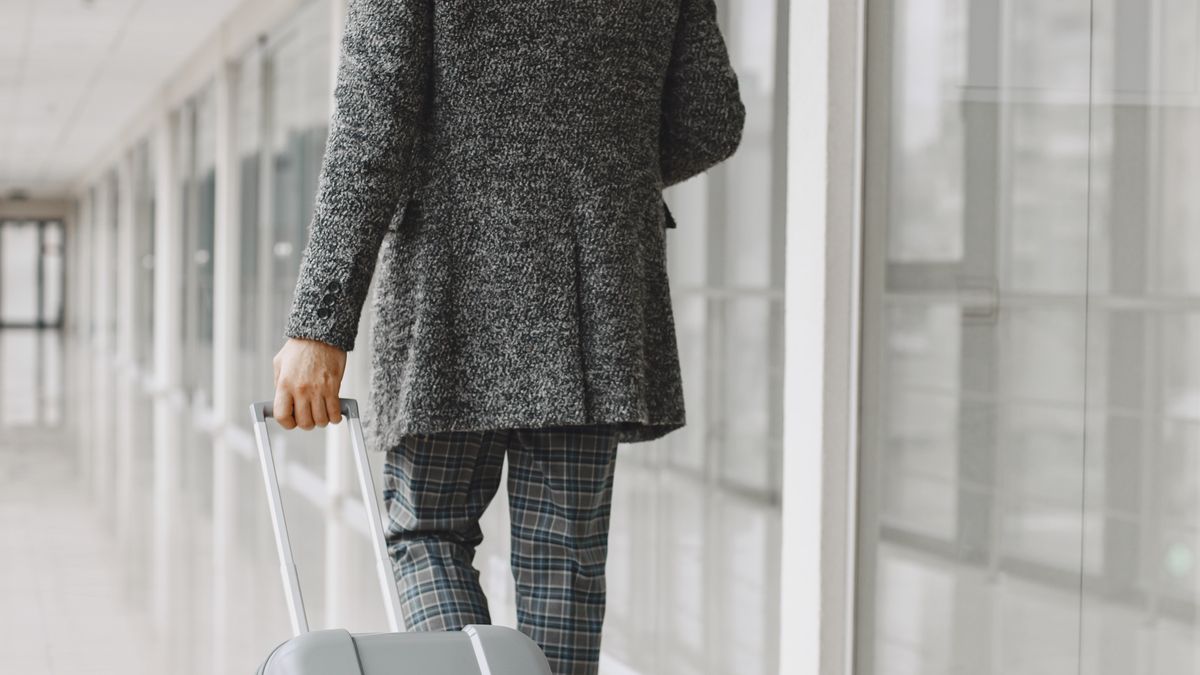
Select two trousers and shirts that work with the same blazer or overshirt. Navy, charcoal, white and pale blue give flexible combinations for many offices. The ideal colors depend on your company’s culture, not a universal rule. Check fit and cleanliness before packing, because a great capsule plan cannot rescue a shirt that no longer fits.
Match Your Cold-Weather Layers to the Business Schedule
A business trip is not automatically a reason to pack a full thermal set. Start with the hours you will spend outdoors, then look at the rooms where you will work. A five-day itinerary with short taxi rides and heated meeting rooms calls for a different wardrobe from one that includes long walks between buildings in cold weather. Dress for the ordinary working day, not an extreme scenario you probably will not encounter.
If you need an extra layer, test it under the actual business outfit. A heavier long-sleeve base can pull against the shoulders of a fitted shirt or make trousers feel tight at the waist. A lighter inner layer and a removable coat often let you adapt without carrying a second thick outfit. The test is simple: put everything on, sit down, reach for a bag, and see whether the clothes still move cleanly.
Reserve specialized base-layer sets for a trip with a clear outdoor requirement. If you already own thermals that fit, use those before buying another fabric weight or color. Keep your meeting clothes protected in the bag and make the jacket your adjustable layer. That gives you a wardrobe built around the schedule rather than around a product list.
Count shirts according to real conditions
One useful clothing option
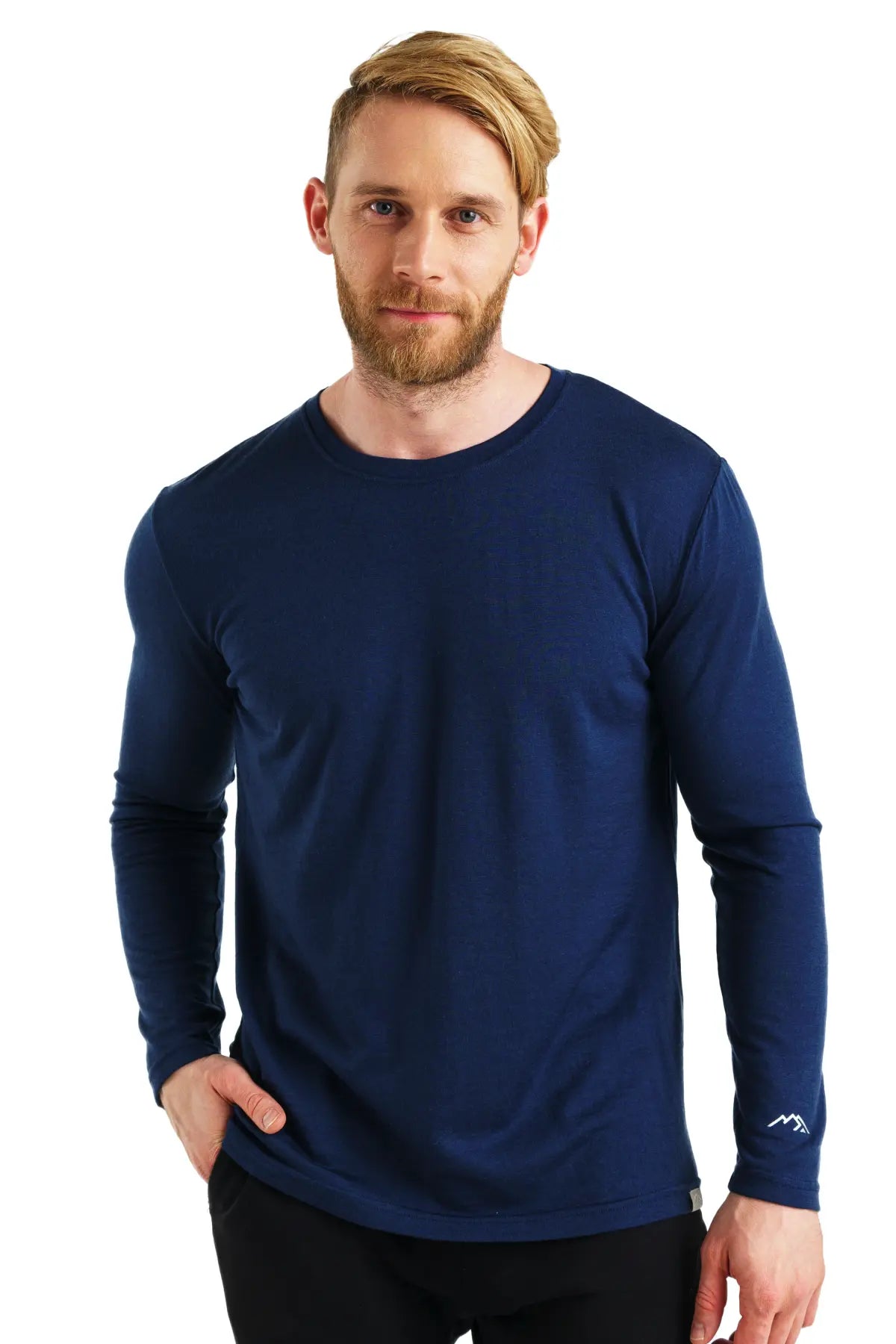
Merino Tech Men’s Merino Long Sleeve 165 Navy
For a business trip with casual travel days, a navy long-sleeve merino shirt may serve as an adaptable layer beneath an overshirt. It is not a substitute for a proper dress shirt when the meeting requires one. The October 14, 2026 Awin feed listed this item at $49.99 USD; stock and price may change.
A fresh shirt each meeting day is sensible when travel days are long and temperatures warm. In cooler or less formal settings, knitwear or polos may replace some shirts. Do not rely on hotel laundry without confirming availability and turnaround. An undershirt may help protect a dress shirt, but it is not a substitute for clean clothing.
Plan the second shoe only when necessary
A well-kept pair of versatile leather shoes can handle many business settings. Running shoes may be required for a planned workout, but otherwise they occupy valuable space. Wear the bulkiest comfortable pair in transit and pack the other using a shoe bag or cloth. Do not force shoes against a laptop compartment or crush their toes. For longer itineraries, our guide to packing a carry-on for a one-week trip develops this approach.
Keep technology in a separate access zone
Place the laptop, its real charger, any presentation adapter and secure authentication device in a padded accessible section. Test the setup before travel, especially if the destination office uses different displays. Spare lithium batteries and power banks belong in cabin baggage under applicable rules. Work files should follow your employer’s security policy.
Protect the clothes for the first meeting
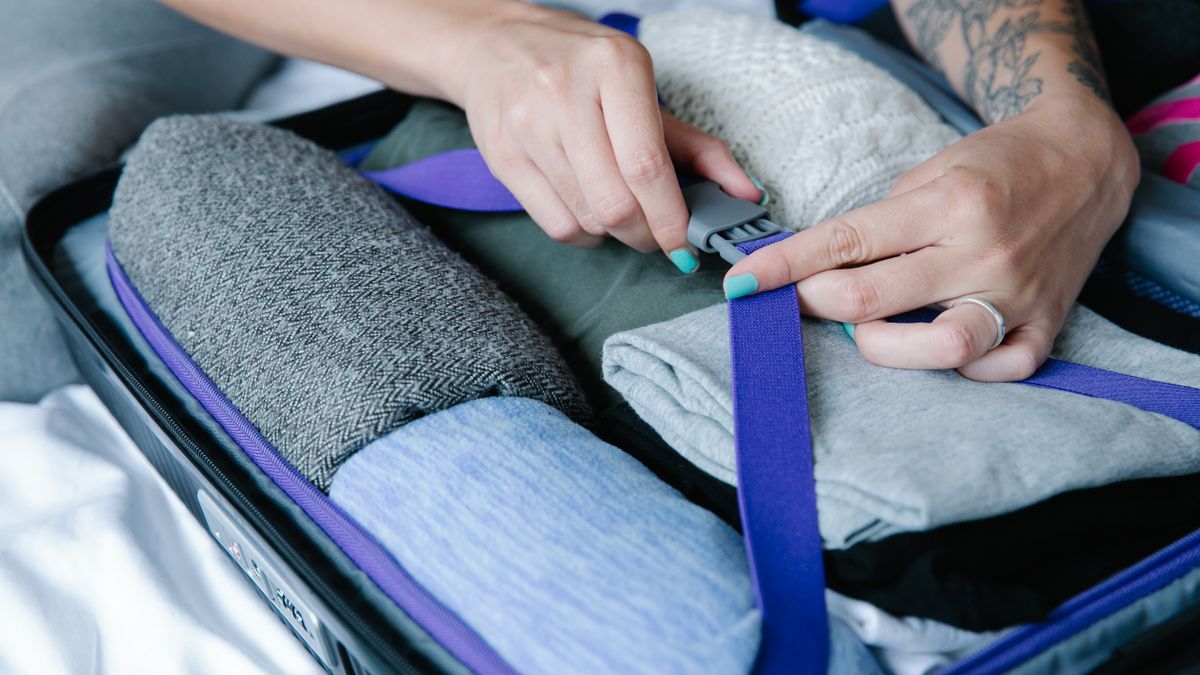
Arrange the most important shirt or jacket with enough structure and breathing room. A packing cube helps organize softer clothes but can crush a collar if overtightened. If a presentation starts soon after landing, carry the meeting outfit where you can retrieve it quickly and leave time for gentle steaming or hanging.
Use hotel facilities as contingencies
Check whether the room has an iron, steamer or laundry service, but do not build the entire wardrobe around amenities that may not exist. Bring a small lint remover or stain wipe suitable for the fabric. If the hotel lacks a safe pressing option, hanging a garment and using careful smoothing may be preferable to improvising with heat.
Repack with tomorrow’s meeting in mind
Keep dirty clothing away from clean dress shirts. Before changing hotels or leaving, confirm that your belt, watch, presentation adapter and bathroom items are in the bag. The final outfit should be easy to access without unpacking the entire case. A travel system is useful only if it works again on the return journey.
A Five-Day Business Wardrobe Example
Imagine you travel Monday afternoon, attend meetings Tuesday through Thursday, and return Friday. Monday’s travel outfit might use chinos, a polo and comfortable shoes. Tuesday’s client meeting calls for a properly fitted shirt, dress trousers and perhaps a jacket. Wednesday uses a second shirt with the same trousers if they remain clean, and Thursday uses the third meeting shirt. Friday returns to the travel combination. This arrangement reduces redundant trousers and jackets, but it does not ask you to reuse a shirt after an uncomfortable day of heat and long travel.
A practical packing count includes fresh underwear and socks for each day, spare next-to-skin clothing as conditions justify, one or two versatile trousers and enough shirts for the actual professional schedule. Add clothing for exercise only when you have a realistic plan to train. If a client dinner requires more formal dress than daytime meetings, solve that with compatible pieces before adding an entire second outfit. If you plan to train while away, our 30-minute hotel gym workout offers a practical routine.
What to Do When the Airline Allowance Is Tight

Start by checking the operating airline’s published size and weight requirements for the booked fare. A suitcase that meets another carrier’s allowance does not prove anything about this ticket. Weigh the bag with laptop, charger and shoes, not just the folded clothing. If the case is heavy, remove the second pair of dress shoes or unnecessary casual extras before cutting required work equipment.
If you must check the larger bag, keep essential medication, necessary documents, valuables and permitted spare lithium batteries with you as required. A spare shirt in the cabin can protect a first-day meeting against a baggage delay. That does not mean you need two complete professional wardrobes. The goal is to preserve one usable workday while keeping the rest of the kit sensible.
Keep the Presentation Kit Separate
A business trip can be disrupted by a small missing item: a laptop charger that stays in the office, an incompatible display adapter, or a meeting document that only opens through a network you cannot access. Put the actual tech equipment on a small checklist and test its compatibility before departure. If company security rules require managed storage or approved connections, follow them rather than copying confidential presentations to personal accounts for convenience.
One dedicated pouch can hold chargers, approved adapters and cables, but avoid mixing it with toiletries. The laptop should stay protected against pressure from shoes and heavy luggage contents. When arriving at the hotel, set aside the next day’s presentation equipment before relaxing. That makes a morning departure much easier than searching through a partly unpacked suitcase minutes before the meeting. When packing formal shoes, see our guide to protecting leather dress shoes in a suitcase.
Recovering From Unexpected Clothing Problems
A spilled drink, sudden rain or hotel laundry delay can invalidate even a careful five-day list. Carry an appropriate spare shirt or undershirt when the risk is realistic. Check clothing care labels before spot cleaning. Don’t rub a stain aggressively into delicate wool or attempt untested heat on a structured jacket.
On arrival, hang important garments promptly and inspect collars and sleeves. If a shirt is creased, determine whether the accommodation has safe pressing facilities. The existing MMHQ wrinkle-removal guide can address after-the-fact treatment, but prevention means reducing pressure in the bag and making the outfit accessible when it matters. Plan enough time before the first appointment to assess the garment rather than promising to leave the airport and walk straight into a meeting perfectly pressed.
Four Worked Packing Situations
Three client-facing days, two travel days
Wear the jacket and a comfortable pair of shoes during one travel leg. Pack enough shirts for three important meetings, coordinated bottoms and casual top options for transit. Protect collars from hard accessories and keep one spare shirt accessible in case a drink spills before a presentation.
Hot destination with formal meetings
Heat increases the value of clean shirts and breathable layers. Consider an additional undershirt or polo rather than a second heavy jacket. Recheck the climate-controlled office’s dress code and avoid assuming outdoor weather determines meeting attire. If you may sweat through clothes between appointments, plan actual change opportunities.
Laptop-heavy working schedule
A compact wardrobe does not help if adapters and power supplies are scattered. Use one tech pouch, keep approved power banks in the cabin, and test any essential presentation file offline under company policy. Carry a brief written agenda or approved secure backup in case access to a network is interrupted.
Trip with evening dinners
A smart casual knit or shirt can often work with daytime trousers and the same shoes. Check whether dinners are informal team gatherings or client functions with expectations. Avoid packing a separate dressy jacket unless the invitation or venue warrants it.
The Final Pre-Departure Check
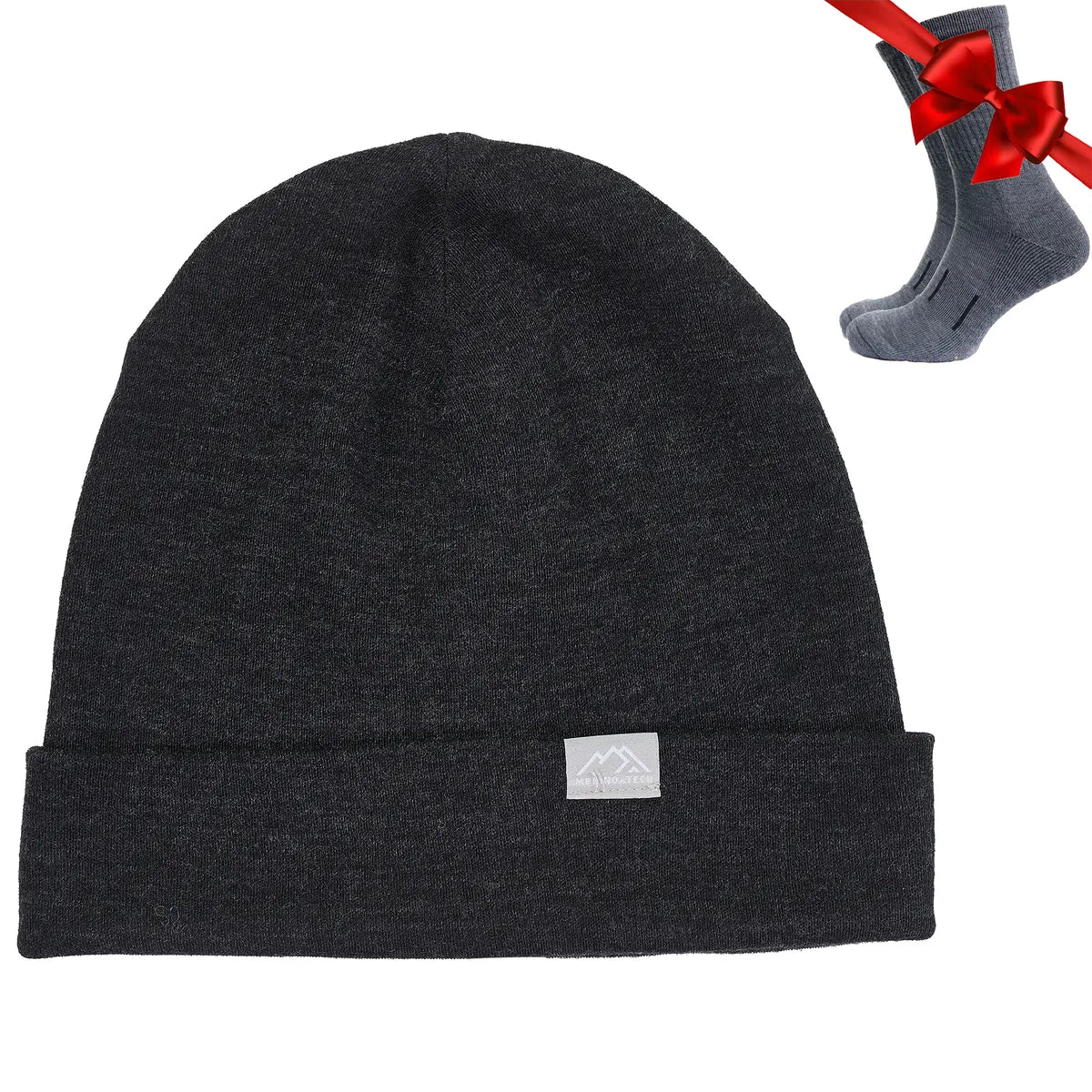
Optional example for this situation
Merino Tech Charcoal Grey Merino Beanie
Merchant listed $22.99 USD on October 19, 2026. Check size, current price and stock.
Check the weather where you land, not just where you depart. For a genuinely cold destination, a compact charcoal merino beanie can add useful warmth without demanding much luggage room. It is unnecessary for most indoor business schedules and should not displace a proper coat, gloves or weather protection when conditions call for them.
Lay out everything in one place and remove items with no specific purpose. Keep required documents, medication, valuables and electronics under your control and accessible. Test the bag’s zipper, weight and handling before leaving. Look at the first day’s agenda and make the first outfit easy to retrieve. The best packing arrangement works when you are tired at the other end, not only when you carefully fold it at home.
Frequently Asked Questions
How many shirts for five business days?
Plan from the actual meeting days and climate; fresh shirts for client-facing days are often worth the space.
Is one blazer enough?
Often, if the schedule and dress code permit repeating a coordinated outer layer.
Can I use one pair of shoes?
Yes when a versatile pair meets every required setting; add activity-specific footwear only when necessary.
Should my laptop go in checked luggage?
Carry valuable electronics in the cabin where feasible and follow battery and employer security rules.
Should I pack a suit?
Only when the itinerary’s dress code calls for it; avoid competing with an existing suit-packing guide.
The Bottom Line
Packing well means choosing what actually supports the trip. A bag that is lighter but omits essential documents or suitable clothing is not a success. A bag that has every imaginable backup but makes travel difficult is not a success either. Decide from the itinerary, keep the essentials accessible and accept that the best kit changes with the destination and the work you plan to do.
Affiliate Disclosure: This article contains affiliate links. Modern Men HQ may earn a commission if you purchase through them, at no additional cost to you. Read our full Affiliate Disclosure.