A trip from a hot city to a cold destination does not require two separate wardrobes. Build a shared core of shirts and trousers, then separate the cold-weather accessories so you can reach them before leaving the airport. The strategy is to reuse base clothing, choose outer layers that work together, and keep only climate-specific accessories in separate zones.
Quick answer
- Map the weather and activities
- Choose garments that work twice
- Wear the bulkiest appropriate item
Check conditions for each place and how much time you will actually spend outdoors. A cold commute needs something different from a warm office, while an afternoon shower may call for a shell rather than more insulation. Plan for the actual itinerary rather than copying a stranger’s minimalist packing list.
The Practical Method
Optional example for this situation
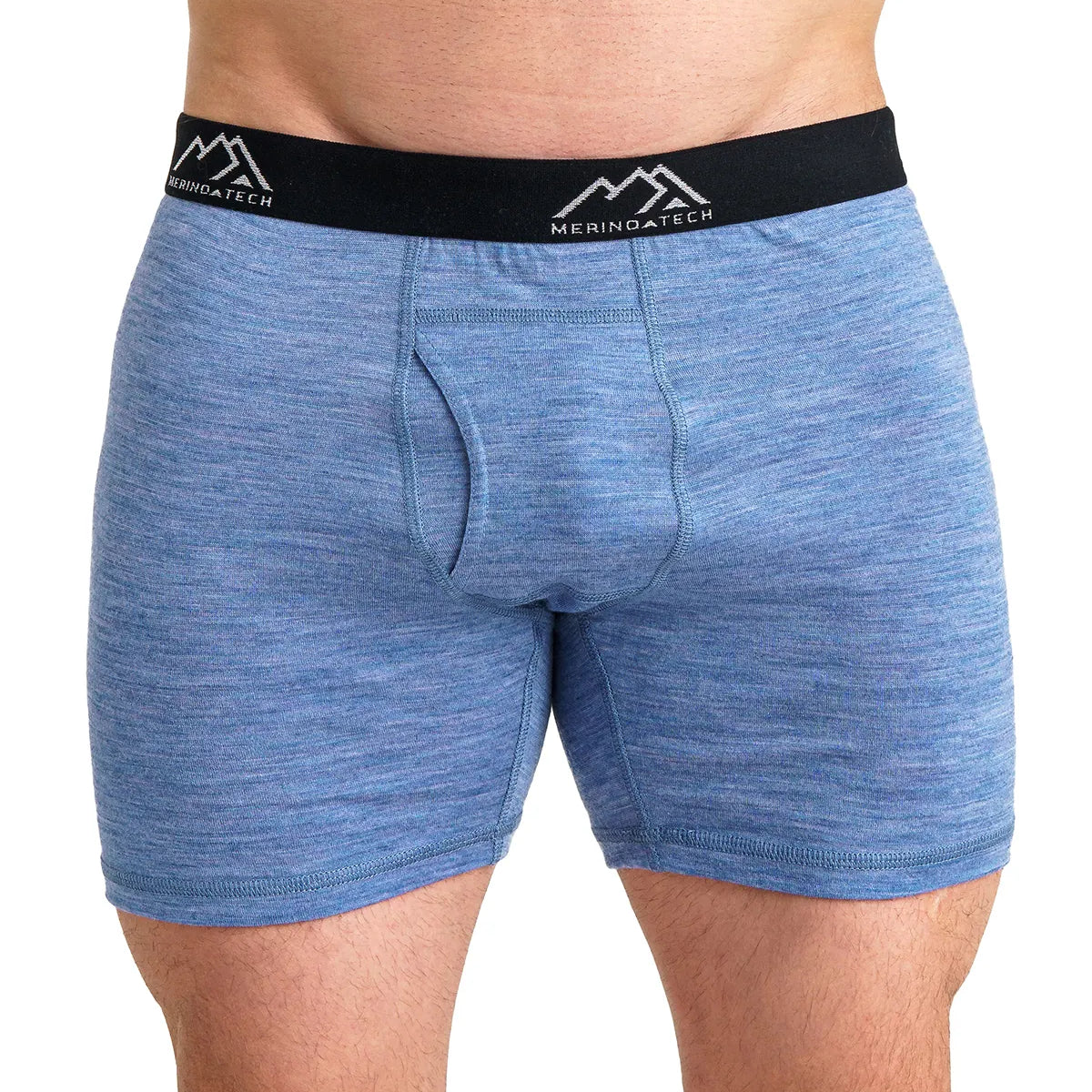
Merino Tech Deep Blue Merino Boxers 190
Merchant listed $26.99 USD on October 19, 2026. Check size, current price and stock.
For a trip crossing warm and cool regions, underwear should remain comfortable in both, without making the bag complicated. This deep-blue merino boxer is one fabric option, but do not assume you can wear the same pair indefinitely. Pack an adequate clean rotation, follow the care instructions and check the merchant’s final-sale policy.
Map the weather and activities
Check conditions for each place and how much time you will actually spend outdoors. A cold commute needs something different from a warm office, while an afternoon shower may call for a shell rather than more insulation.
Choose garments that work twice
Neutral trousers, breathable base layers and a midlayer can serve both destinations. Try the combinations before leaving. An expensive jacket that only matches one outfit should not automatically win luggage space.
Wear the bulkiest appropriate item
A winter coat can be worn on the journey rather than squeezed into a suitcase, if it remains comfortable and safe in transit. Keep removable layers accessible instead of burying everything at the bottom.
Treat footwear as a constraint
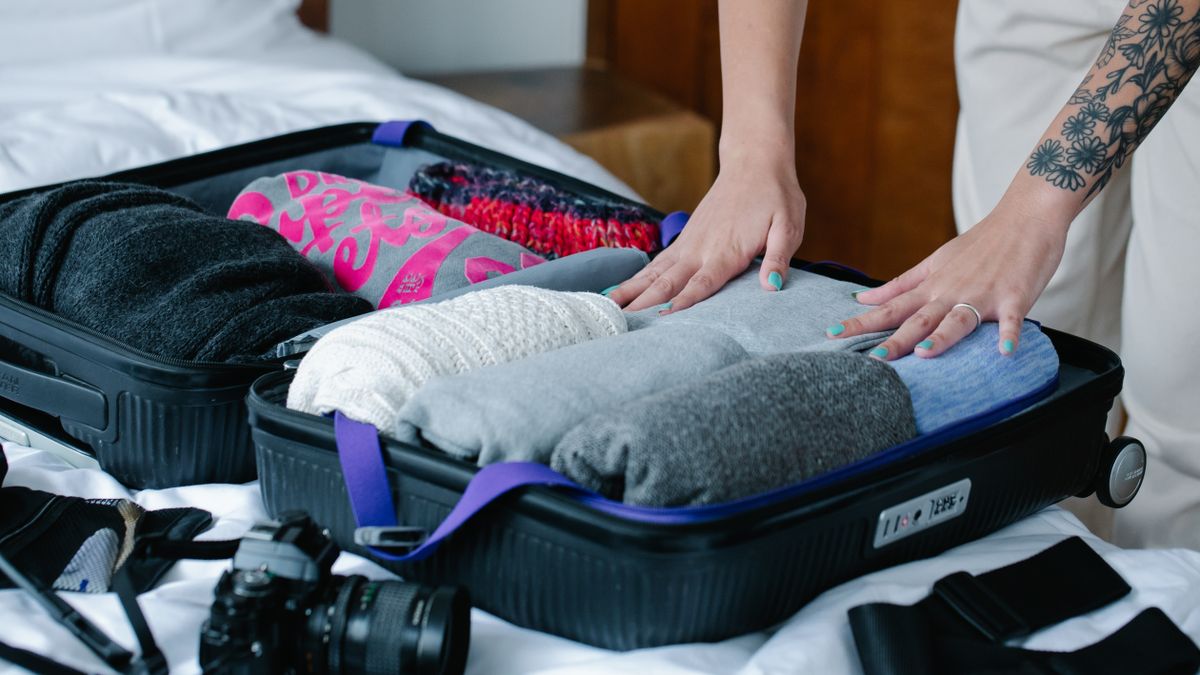
One pair of weather-suitable walking shoes can sometimes cover both places. Snow, outdoor sports or a formal meeting may force a second pair and a more realistic bag size.
Pack by sequence
Put first-stop clothes within reach and isolate later-stage accessories in a labeled pouch. This avoids emptying a bag in a station or hotel lobby to find gloves or a dry shirt.
Recheck restrictions
If the itinerary includes several airlines, compare the cabin allowances for each operated flight. Spare batteries belong in the cabin under relevant rules, even if the main bag gets gate-checked.
Do Not Let One Heavy Base Layer Dictate Both Outfits
When one trip involves two climates, a very warm base layer can become a problem at the second destination. It may be useful beneath a coat during a cold morning, then uncomfortable when the same travel day ends somewhere humid or indoors. Instead of asking which single heavy shirt covers everything, plan which layers you can remove and where you will store them.
A lightweight inner layer, a removable midlayer and appropriate outerwear give you more control than relying on one thick garment. You may still need thermal bottoms or a heavier base for long exposure to the cold, but those items should earn their place through the specific itinerary. Try the full outfit with the trousers and shoes that will travel; thermal fabric that bunches or takes too long to change can create its own inconvenience.
Keep the warmest removable items accessible during transfers and protect clean next-to-skin clothes from damp outerwear. If you already have a suitable 250-weight base layer, another color or a heavier set is not automatically an upgrade. Pack for changing conditions, and buy only when your existing clothing leaves a genuine gap.
Build a Two-Destination Weather Matrix
Start with the forecast for each destination and the activities that put you outdoors. A warm departure city, a cold arrival city and a chilly airplane cabin are three different conditions, but they do not necessarily demand three wardrobes. Record the expected temperature range, rain or wind exposure, time spent walking and dress code. Once the conditions are visible, identify which garments already solve more than one requirement. An ordinary base tee may work under a sweater in the cold city and as a casual top in the warm one.
The largest mistake is packing based on a single temperature label such as ‘summer’ or ‘winter.’ A rainy fifteen-degree evening can feel different from a dry one, and a day spent indoors may demand less insulation than the same day outdoors. Use a reliable current forecast close to departure and check the work or activity venue when dress codes matter. If specialized gear is necessary, treat it as a real requirement rather than an optional item to eliminate for minimalism. For longer itineraries, our guide to packing a carry-on for a one-week trip develops this approach.
A Layering System That Doesn’t Create Bulk
Choose the base layer for comfort and versatility before deciding which insulated pieces to bring. One useful example is a long-sleeve merino shirt that can be worn on its own in mild conditions or beneath an insulating midlayer when temperatures fall. This does not replace proper outerwear for severe cold.
A practical layering option
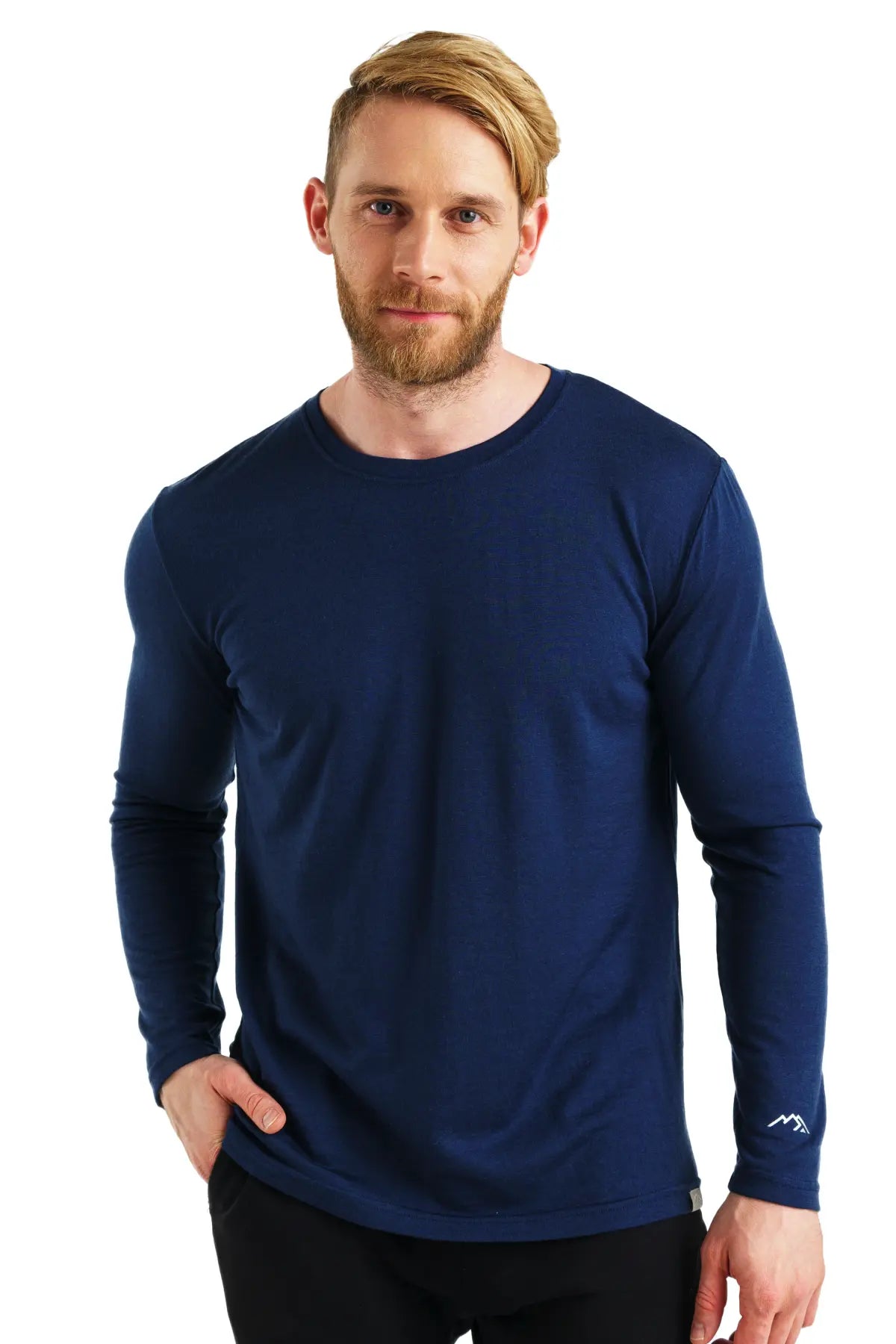
One option: Merino Tech Men’s Merino Long Sleeve 165 Navy. This long-sleeve layer was listed at $49.99 in the Awin feed checked October 14, 2026. Prices and availability may change. If its fit and fabric suit your trip, view the Merino Tech long sleeve. You do not need this particular shirt to follow the packing method.
Choose the base layer for comfort against the skin, a midlayer for flexible warmth and an outer layer for weather. The pieces should actually fit over one another, so test them as an outfit before leaving. A slim sweater that cannot fit under your jacket is not a functional part of the system. A thick coat that requires carrying a second heavy layer may be less adaptable than appropriate coordinated clothing, depending on the cold you will encounter.
Wear bulky layers in transit where sensible. If you fly from a hot city, you may prefer carrying the coat rather than wearing it through the terminal; keep it accessible before the cold arrival. If you have to place it in an overhead compartment, follow crew stowage instructions. Do not assume wearing heavy clothes is always the smartest option if it makes boarding and long flights uncomfortable.
Shoes Are Often the Hardest Tradeoff
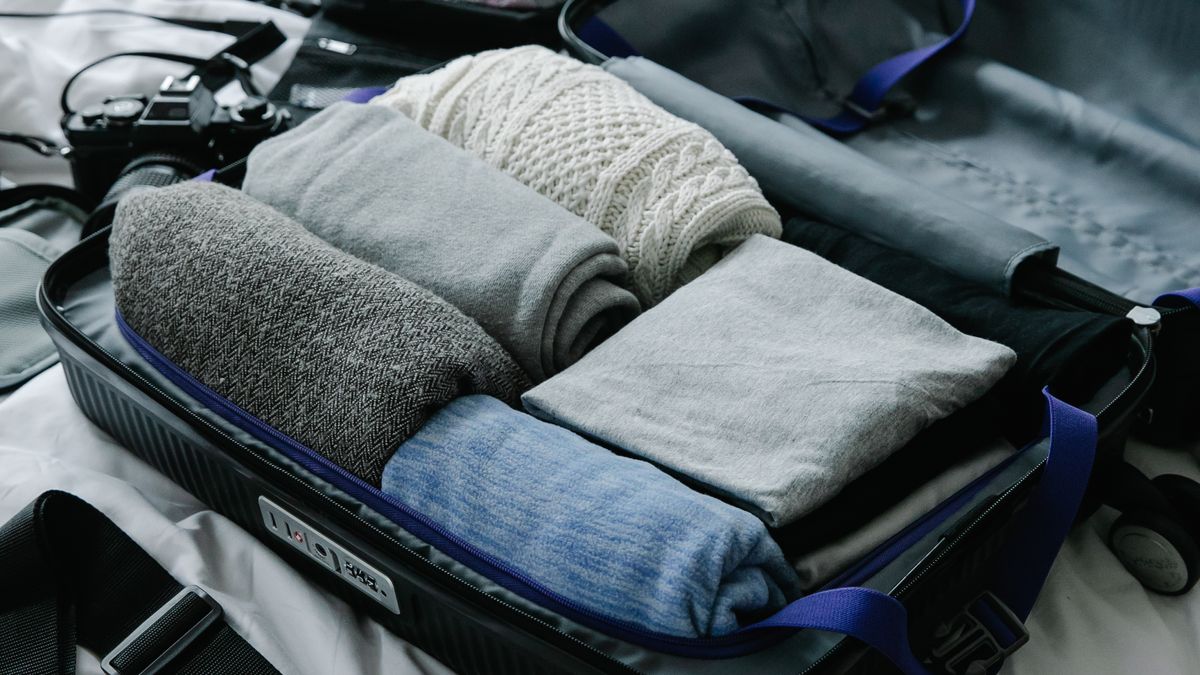
One pair of walking shoes can work across mild climates, but snow, ice and a formal meeting may change the requirement. Start with the actual surfaces and dress codes: smooth airport floors, wet cobblestones, office carpets and uneven trails are not interchangeable. If two pairs are necessary, wear the bulkier comfortable pair and protect the packed pair from dirt and pressure. Shoes need a real place in the bag, not a gap created by crushing a shirt collar.
Do not overestimate the versatility of ordinary sneakers in hazardous winter conditions. Look at local weather, walking distances and traction needs. Conversely, heavy winter boots may be unnecessary if the cold stop consists mainly of indoor meetings and short sheltered transfers. Choose the realistic activity rather than an imagined destination postcard.
Where Each Climate’s Clothes Should Go
Divide the suitcase into first-stop, second-stop and shared items. The first stop’s essentials should be near the opening so you can change without unpacking the whole bag. Keep later accessories in a small labeled pouch, and use a separate section for clothing that both destinations share. This makes a multi-city trip faster to manage, especially when you move hotels early in the morning.
The system also protects clean clothing from used or damp pieces. After the warm destination, swimwear and sweaty shirts need their own handling before entering the same luggage compartment as cold-weather knitwear. A laundry pouch limits contact, but wet fabric should be dried promptly. Repacking everything into compressed cubes without checking moisture can turn a clever system into a stale-smelling suitcase.
Business Clothes Across Different Temperatures
A man traveling from a hot city to a colder office can often keep the same core trousers and shirts, adding an appropriate jacket for arrival. A client meeting might require a blazer or overcoat, but that requirement comes from the venue rather than from the weather alone. Choose coordinated colors and styles so you do not need a separate suit-like outfit for every stop. Protect pressed collars and jacket shoulders from compression.
If you need a formal dinner in the warmer city and a presentation in the cold one, see whether one shirt or jacket can serve both with different layering. If that does not work, allow a dedicated item rather than improvising an outfit that does not meet the dress code. Minimalism is a useful constraint, not a reason to arrive underdressed.
What to Keep Accessible During Transfers
Weather changes often occur before you can reach checked luggage. Keep a compact warm layer or rain shell accessible when the destination requires it, and ensure important documents and medication stay in the correct cabin bag. Verify any personal-item size limit attached to the fare. Remember that spare lithium batteries and power banks have cabin-only requirements under applicable aviation rules.
A long ground transfer after landing may expose you to weather before reaching the hotel. Plan the arrival outfit and where the relevant gloves, jacket or dry socks sit in the bag. It is better to retrieve one small pouch at the terminal than open an entire suitcase on a crowded platform.
What to Do if the Second Stop Is Colder Than Expected
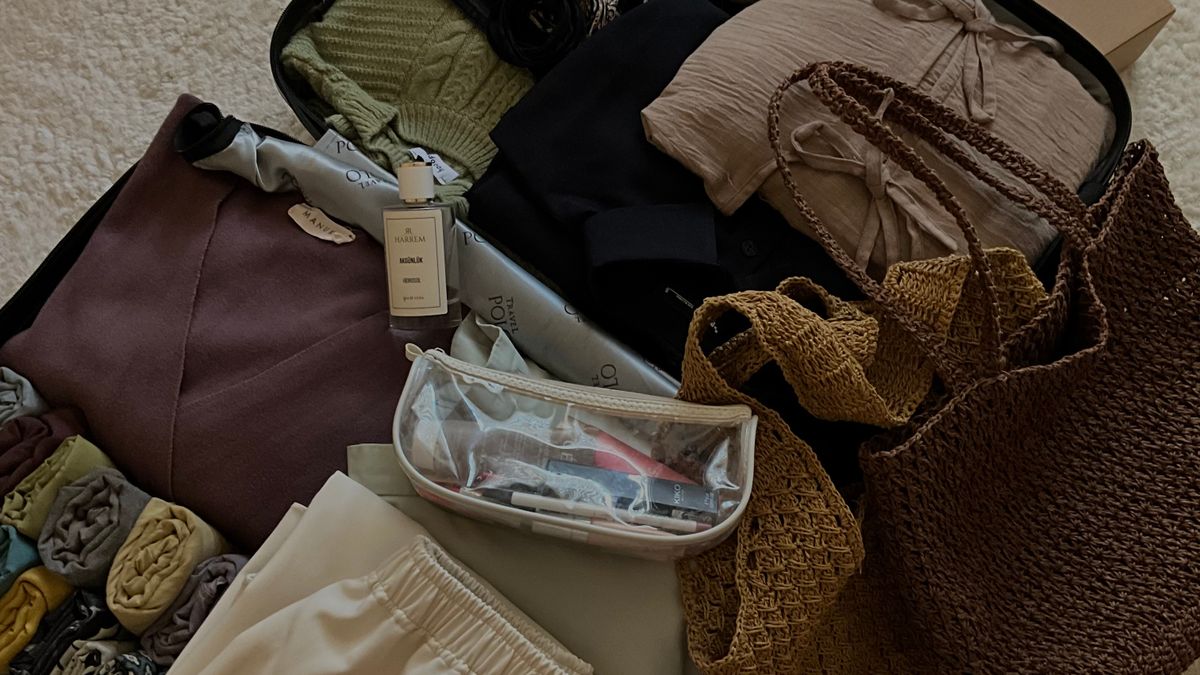
Forecasts change and travel schedules are disrupted. Recheck conditions before moving to the second destination rather than relying solely on what you read before leaving home. Determine whether your existing outerwear and footwear remain suitable. If not, it may be more practical to obtain an appropriate layer locally or modify an outdoor activity than to push unsuitable clothing into a safety-critical situation.
The ability to adapt is part of a good packing strategy. A flexible base wardrobe gives you choices, while a suitcase full of unrelated specialized outfits can still leave you unprepared for the one condition that actually appears.
Build a Two-Climate Wardrobe Before Counting Items
Begin with a specific example: four days in a hot coastal city followed by four in a cooler, rainy destination. You do not need eight unrelated outfits. Choose a small base wardrobe whose pieces can work beneath a midlayer or with sleeves rolled up in the warmer destination. A pair of neutral trousers, several comfortable tops and one adaptable overshirt can do repeated duty. Then add what the second destination genuinely requires: suitable weather protection, perhaps gloves, and appropriate footwear. Count clean next-to-skin items more carefully than coats and other outer layers.
Write the activities in a two-column table before you pack. The first column contains each day’s actual commitment, from a train journey to an office visit. The second shows the clothes required for that activity. Mark items that appear in both columns, because those pieces are the foundation of your travel wardrobe. This approach becomes especially useful for men moving between casual sightseeing and professional obligations. A clean, fitted shirt may work in both cities; an extra pair of shorts will not solve a cold meeting day. For coordinating fewer versatile pieces, our men’s capsule wardrobe guide offers a useful framework.
Separate Comfort From Weather Protection
Warm-weather comfort usually means managing heat and humidity; cold-weather comfort may require insulation and protection against wind or precipitation. Fabric choice matters, but no single fiber performs every job. Choose base layers you have worn comfortably and add a breathable or insulating piece only when the forecast justifies it. A light technical shell can be helpful in rain, but it is not the same thing as an insulating coat. In genuinely severe cold, safety and appropriate gear should override the desire to use the smallest possible bag.
Outdoor duration changes the calculation. A cold destination with indoor meetings is different from a destination where you will wait outside or hike for hours. Likewise, the tropical stop may include freezing air conditioning indoors. Rather than packing an entirely new outfit for each environment, add removable layers that fit over the same base shirt and under your outer garment. Try this complete combination at home to ensure the pieces are comfortable when worn together.
Decide What Footwear Actually Has to Change
Shoes can consume a surprising amount of the luggage. If the itinerary includes only city walking in mild rain, one comfortable water-resistant pair may cover both stops. If it includes snow, ice or a formal reception, different footwear may be unavoidable. Do not pretend that a sleek casual sneaker is suitable for icy mountain trails simply because it looks versatile. The proper shoe is the one that handles the surface and activity safely.
When two pairs are necessary, wear the bulkier comfortable pair during transit and protect the other pair in a shoe pouch. Position soles away from shirts, documents and fragile devices. In a backpack, consider balance and ease of carrying rather than concentrating every dense item on one side. If the second shoe pair turns a compliant carry-on into an overweight case, reassess the total packing plan instead of forcing the zipper shut.
Pack the First Destination on Top, Not the Second
A multi-stop trip becomes tiring when each hotel arrival requires emptying the entire bag. Put first-stop basics into one accessible zone and later-stop accessories into another. This does not require buying special organizers. A couple of labeled pouches or existing dividers can separate gloves, cold-weather socks and a rain layer from swimwear and lightweight clothes. Keep the items required during transfers within reach.
Plan what happens to worn items when the climate changes. A shirt damp from a humid day should not be sealed next to a clean wool midlayer before a train ride. Give it a chance to dry or store it separately until you can wash it. When arriving at the cooler destination, pull out the weather protection before leaving the terminal instead of unpacking on a windy platform. Access matters as much as total capacity.
Check Flight Rules on Every Segment
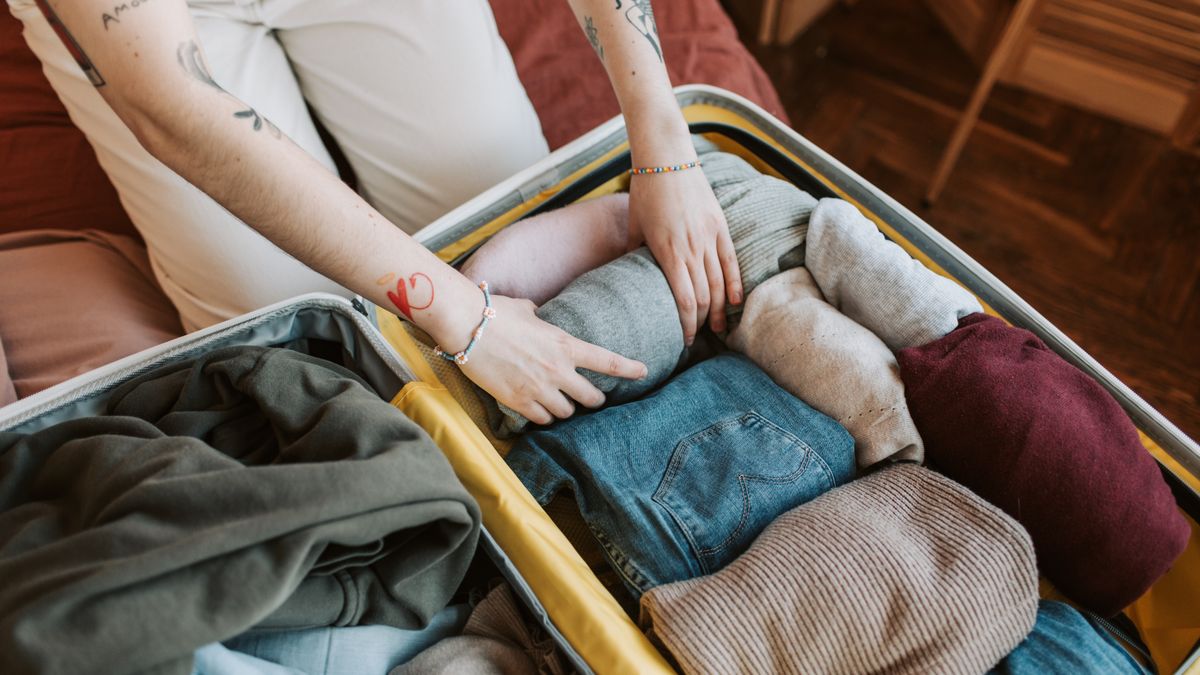
If the itinerary involves several airlines, the operating carrier and purchased fare determine how many bags you may take and what dimensions or weight restrictions apply. A cabin case accepted on the first flight may not meet the limit on a smaller connection. Measure and weigh the complete bag, including handles and any exterior attachments. Keep travel documents, valuable electronics, necessary medication and permitted spare lithium batteries accessible in the cabin as required.
Under FAA guidance, spare lithium batteries and power banks cannot go into checked baggage. If your cabin case is gate-checked, move those items into the bag that remains with you. International airlines may impose stricter quantity or watt-hour rules. The cabin-baggage plan should still work after a last-minute gate check, particularly when both climates require medication or equipment you cannot replace easily.
When Laundry Is a Better Solution Than Extra Clothing
An eight-day journey does not always require eight complete sets of every garment. If there is a reliable laundry stop in the middle, you may be able to pack fewer tops and undergarments. Confirm the actual service, price, turnaround and whether the fabrics can be washed and dried safely. A hotel that mentions laundry on its website may not be able to return a shirt before your next train.
If no laundry is available, prioritize adequate clean essentials rather than cutting items merely to satisfy a fashionable one-bag challenge. Outerwear and suitable trousers can repeat when clean, while socks, underwear and base layers need more deliberate planning. The correct count depends on perspiration, conditions and what the trip involves, not a rigid rule about wearing the same clothes for several days.
What to Change When the Forecast Shifts
Review the next destination’s weather before leaving the first. A forecast of heavy rain may justify moving the shell to the top of the case and preparing protective footwear. If a cold snap is more severe than expected, consider whether appropriate equipment can be rented or obtained locally. Do not use an unsafe combination of casual layers simply because your original packing spreadsheet did not anticipate the change.
The goal is flexibility without unnecessary duplication. A little unused bag space is useful when you must change a garment or buy something essential. A case compressed to its absolute limit leaves no room for adaptation. Packing across climates succeeds when it preserves essential comfort, clothing condition and straightforward travel logistics, not when you prove that two wardrobes can be squeezed into one small suitcase. For the trip itself, our solo travel guide for men covers planning and practical logistics.
Real Travel Situations
Situation 1.
Warm coast to rainy city: dry swimwear and carry one lightweight rain layer; do not seal damp beach clothes beside clean shirts.
Situation 2.
Tropical departure to winter arrival: keep the coat, gloves and warm footwear accessible instead of pretending a hoodie is enough.
Situation 3.
Formal event at the second stop: protect one coordinated dress outfit and reuse neutral pieces elsewhere.
Final Check Before Departure
Check the allowance on the actual flight and fare. Keep travel documents, essential medication, valuables and spare lithium batteries where appropriate and accessible. A clever arrangement is not useful if the bag must be checked unexpectedly or if something essential cannot be retrieved. Confirm conditions against official sources when traveling across airports or borders.
Frequently Asked Questions
Can one carry-on handle summer and winter?
Sometimes, but severe conditions and specialist equipment change the answer.
Are compression bags necessary?
No; useful for flexible clothing but not for protecting structured garments.
How many shoes?
Only what real activities and conditions require.
Should I pack two jackets?
Not unless one cannot meet the destinations’ distinct demands.
What if the forecast changes?
Reassess near departure and prioritize actual weather protection.
The Bottom Line
Good travel organization is about meeting your real needs without creating new problems. Keep important items safe, test the packed bag and make tradeoffs based on the conditions you will encounter. A practical plan will be slightly different for every journey.
Affiliate disclosure: This article contains an affiliate link. Modern Men HQ may earn a commission if you buy through it, at no additional cost to you. Read our full Affiliate Disclosure.