Weight loss supplements are usually sold twice. First through the label.

Then through the story built around the label. A bottle may contain caffeine, green tea, chromium, amino acids, or botanical extracts. The sales page turns those ingredients into a mechanism that “switches off hunger,” “melts deep fat,” or “reactivates metabolism.”
The useful skill is separating what is physically in the product from what the marketing says the product will do.
Start With the Supplement Facts Panel
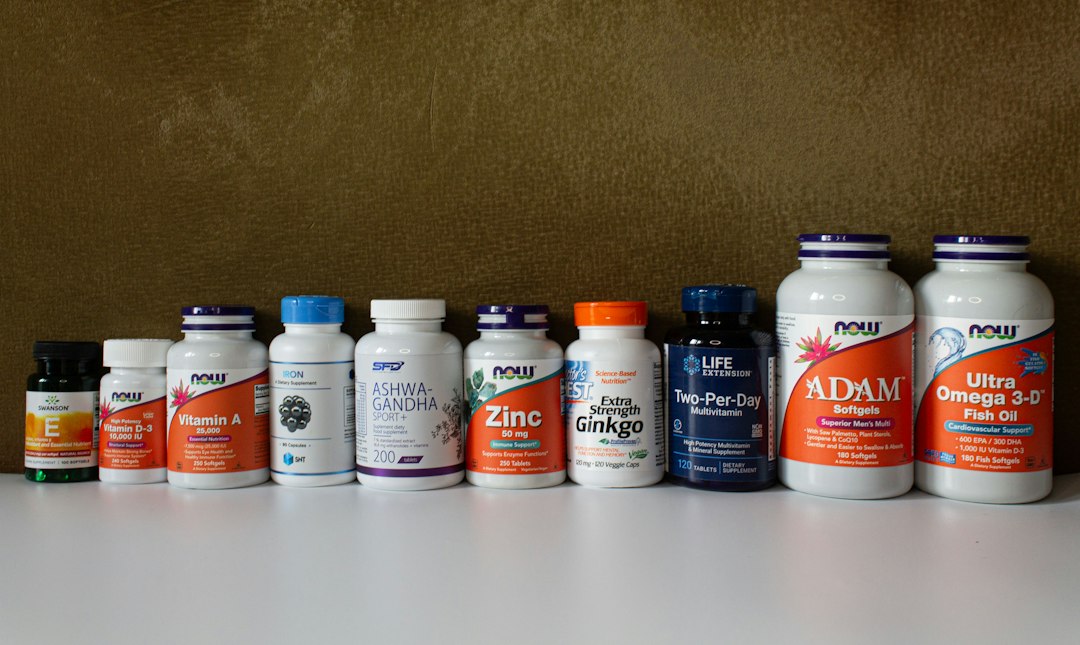
Ignore the front of the bottle for a minute. Turn it around. Look at serving size.
Look at how many servings are in the container. Look at the amount of each ingredient. This sounds basic.
It is not. A product can advertise a famous ingredient while including a dose far below the amount used in research. Without the quantity, the ingredient name alone tells you less than you think.
Check the Serving Size
One capsule is not always one serving. A formula may require two, three, four, or more capsules per day. A powder may require multiple scoops.
A dropper product may use several droppers. This changes the real cost. If one bottle looks cheap but lasts only 15 days at the full serving, compare it with products using a 30 day supply.
The unit price on the sales page is not the only number that matters. Look for Proprietary Blends A proprietary blend lists a group of ingredients under one total weight.
The manufacturer may not disclose the individual amount of each ingredient. That makes evaluation harder. You know what is in the blend.
You do not know how much. A long proprietary blend can create an impressive label while hiding whether the most interesting ingredients are present in meaningful amounts. This does not automatically make the product bad.
It makes it less transparent.
Do Not Count Ingredients as Proof
Twenty ingredients does not mean twenty effective mechanisms. More ingredients can mean lower individual doses. They also create more opportunities for interactions and overlap.
A six ingredient formula with disclosed doses may be easier to evaluate than a 30 ingredient blend. The correct question is not “How many things are inside?” It is “What is inside, how much, and what evidence supports the dose?”
Watch for Caffeine Under Different Names

Caffeine does not always appear as “caffeine.” Guarana contains caffeine. Green tea extract can contain caffeine.
Yerba mate contains caffeine. Coffee fruit or coffee bean extracts may contribute caffeine. A product can therefore feel more stimulating than the label headline suggests.
If you already drink coffee or use a pre workout, total intake matters. Too much caffeine can affect sleep, anxiety, heart rate, and blood pressure. Poor sleep can then make appetite and weight management harder.
That is not a good trade.
Understand What “Thermogenic” Means
Thermogenesis refers to heat production and energy expenditure. Many weight loss supplements use the term because it sounds like the body is becoming a furnace. Some stimulant ingredients can modestly increase energy expenditure.
That does not mean they create a large enough effect to override overeating. If a supplement increases daily expenditure slightly while appetite and food intake remain high, the scale may not move much. The marketing language is usually larger than the metabolic effect.
Be Skeptical of “Fat Burning” Without Context The body burns fat every day. It also stores fat.
The important question for body weight is the net balance over time. A supplement may increase fat oxidation temporarily without producing meaningful fat loss if total calorie balance does not change. This is why “burns fat” can be technically suggestive and practically misleading.
You care about sustained body fat change. Not whether one metabolic pathway moved for a few hours.
What About Appetite Suppressants?
Some ingredients can affect appetite. Caffeine can reduce appetite temporarily for some people. Fiber can increase fullness.
Certain botanical ingredients have been studied for satiety or cravings. The important part is magnitude. If a product makes it slightly easier to stick to a calorie target, that can be useful.
If the marketing says hunger will disappear and weight loss will become effortless, expectations are probably too high.
Check for Fiber
Fiber is one of the more understandable appetite related ingredients. Glucomannan and psyllium are examples. They absorb water and can increase fullness.
Fiber can also cause gastrointestinal discomfort when introduced too quickly. Adequate fluid matters. Fiber supplements can also affect medication timing.
If a label includes a fiber ingredient, look at the dose. A tiny amount is not the same as a clinically meaningful serving.
Check for Chromium
Chromium is common in weight loss and blood sugar supplements. It is an essential trace mineral. It is often marketed around glucose metabolism and cravings.
The evidence for meaningful weight loss from chromium alone is not dramatic. Its presence does not make a formula a guaranteed appetite controller. If you take blood sugar medication, discuss supplement use with a healthcare professional.
Check Green Tea Extract Carefully
Green tea contains catechins and may contain caffeine. Research has explored green tea extracts for metabolism and body weight. Effects tend to be modest.
Concentrated extracts are different from drinking tea. High dose extracts have also raised safety concerns in some cases, including liver injury. The label should tell you how much extract is present and ideally how it is standardized.
Do not assume a natural tea ingredient is automatically harmless at concentrated supplement doses.
What About L Carnitine?
L carnitine is involved in fatty acid transport inside cells. That makes it easy to market as a fat burner. The biological role is real.
That does not mean taking more carnitine automatically causes large fat loss in healthy adults. Some studies have found modest effects in selected populations. Again, the scale of the marketing often exceeds the scale of the result.
What About Raspberry Ketones?
Raspberry ketones became popular because animal and laboratory studies were turned into dramatic consumer claims. Human evidence for meaningful weight loss is limited. A product can include raspberry ketones and still be sold using language that sounds far more certain than the research supports.
This is a good example of why “scientifically studied” is not the same as “clinically proven to work in this product.”
What About Forskolin?
Forskolin comes from Coleus forskohlii. It is marketed around body composition and metabolism. Human studies are limited and do not justify the huge promises often attached to it.
If it appears on a label, treat it as one ingredient with incomplete evidence. Do not let a mechanistic story substitute for an outcome.
What About Garcinia, African Mango, and Similar Botanicals?
Many weight loss supplements rotate through the same botanical ingredients. The story changes. The evidence often remains modest.
A study may show a small average difference. A sales page may turn that into dramatic before and after expectations. Always ask how large the effect was, how long the study lasted, who was studied, and whether the dose matches the product.
Watch for Drug Interactions
Weight loss formulas often combine stimulants, herbs, minerals, amino acids, and extracts. That creates more possible interactions. Blood pressure medications.
Blood sugar medications. Antidepressants. Thyroid medication.
Anticoagulants. Stimulant prescriptions. All may matter depending on the ingredients.
Do not assume a product is safe simply because it is sold without a prescription.
Check Third Party Testing
Third party testing can improve confidence that the bottle contains what the label says. Look for recognized testing organizations or clear certificates. A badge designed by the manufacturer is not the same as independent verification.
Testing does not prove the product causes weight loss. It addresses identity, purity, or contamination. That is still valuable.
Understand “FDA Registered Facility”
This phrase appears often. A product being manufactured in an FDA registered facility does not mean the FDA approved the supplement for effectiveness. Those are different concepts.
Dietary supplements are not approved like prescription drugs before being sold. That makes label transparency and manufacturer quality more important. Do not let regulatory sounding language imply more than it actually means.
Read the Guarantee Separately From the Claims
A 60 day or 365 day guarantee can reduce financial risk. It does not validate the mechanism. Check whether you must return bottles.
Check whether shipping is refundable. Check the deadline. Check whether the guarantee starts from purchase or delivery.
Save the order confirmation. The refund policy is a commercial term. The efficacy claim is a scientific question.
Keep them separate.
Calculate the Real Monthly Cost
Use the full serving. Include shipping. Include subscriptions.
Include upsells if they are required for the advertised result. Then compare. A product advertised at $39 per bottle may cost more per month than a $59 bottle if the first requires two bottles at full dose.
Simple math cuts through a lot of sales language.
Do Not Let Bonuses Decide the Purchase
Digital books, meal plans, detox guides, and workout PDFs are common bonuses. They may be useful. They are rarely the reason to buy a supplement.
The stated “$297 value” is usually set by the seller. Judge the core product first. If the formula is not worth the price, three free ebooks do not change that.
What Claims Should Make You Slow Down?
“Effortless fat loss.” “Burn fat while you sleep.” “Works without diet or exercise.”
“Targets one hidden cause of weight gain.” “Resets metabolism.” “Detoxes fat cells.”
“Melts belly fat.” These phrases are designed to make the problem feel simpler than it is. Weight regulation is complex.
A single mechanism can be real without being the dominant explanation for everyone.
Build the Routine Before the Supplement
If the scale has already stalled, use our weight loss plateau checklist before adding another product.
Before spending money, check the basics. Are you eating enough protein? Enough fiber?
Are liquid calories high? Are weekends erasing the weekday deficit? Do you walk regularly?
Do you strength train? Are you sleeping enough? Is alcohol adding calories and hurting sleep?
Those questions are not exciting. They are high leverage. A supplement works best when it removes a small barrier inside a system that already makes sense.
How to Compare Two Weight Loss Supplements
For a worked commercial example, our HydroLean XT review separates the verified label and package facts from the stronger sales-page claims.

Compare serving size. Compare disclosed doses. Compare stimulant content.
Compare ingredient overlap. Compare third party testing. Compare guarantee.
Compare monthly cost. Compare interaction risk. Then ask whether either product solves a real problem for you.
If not, the correct answer may be neither.
Frequently Asked Questions
What is the most important thing on the label?
Serving size and disclosed ingredient amounts.
Are proprietary blends bad?
Not automatically, but they make dose evaluation harder.
Does more caffeine mean more weight loss?
No. More stimulant effect can also create sleep, anxiety, or cardiovascular problems.
What does thermogenic mean?
It refers to heat production and energy expenditure. The actual practical effect depends on the ingredient and dose.
Does FDA registered mean FDA approved?
No. A registered facility is not the same as an FDA approved supplement.
Should I use a weight loss supplement?
Only if the formula fits your health context and you understand that it is an optional tool, not the main driver of weight change.
The Bottom Line
Read the label before the story. Serving size. Ingredient dose.
Stimulants. Proprietary blends. Interactions.
Testing. Guarantee. Monthly cost.
Then decide whether the product solves a real problem in your routine. A supplement should make a good system easier. It should not ask you to believe that the system no longer matters.
Sources reviewed for this article: FDA dietary supplement guidance; NIH Office of Dietary Supplements information on weight loss supplements and common ingredients.