Overpacking usually starts when you plan for possibilities instead of actual events. Remove uncertainty before removing clothes. A clear itinerary, coordinated outfits and a small list of genuine contingencies can lower the load without sacrificing safety.
Quick answer
- Identify confirmed activities
- Lay out complete combinations
- Count travel-day clothing
Write each day’s likely requirements, including work, dining, exercise and outdoor time. Do not pack a formal wardrobe for an invitation that does not exist. Plan for the actual itinerary rather than copying a stranger’s minimalist packing list.
The Practical Method
Identify confirmed activities
Write each day’s likely requirements, including work, dining, exercise and outdoor time. Do not pack a formal wardrobe for an invitation that does not exist.
Lay out complete combinations
Choose tops and bottoms that work together and check the fit before leaving. Any item with no planned use or compatible outfit should face scrutiny.
Optional packing example
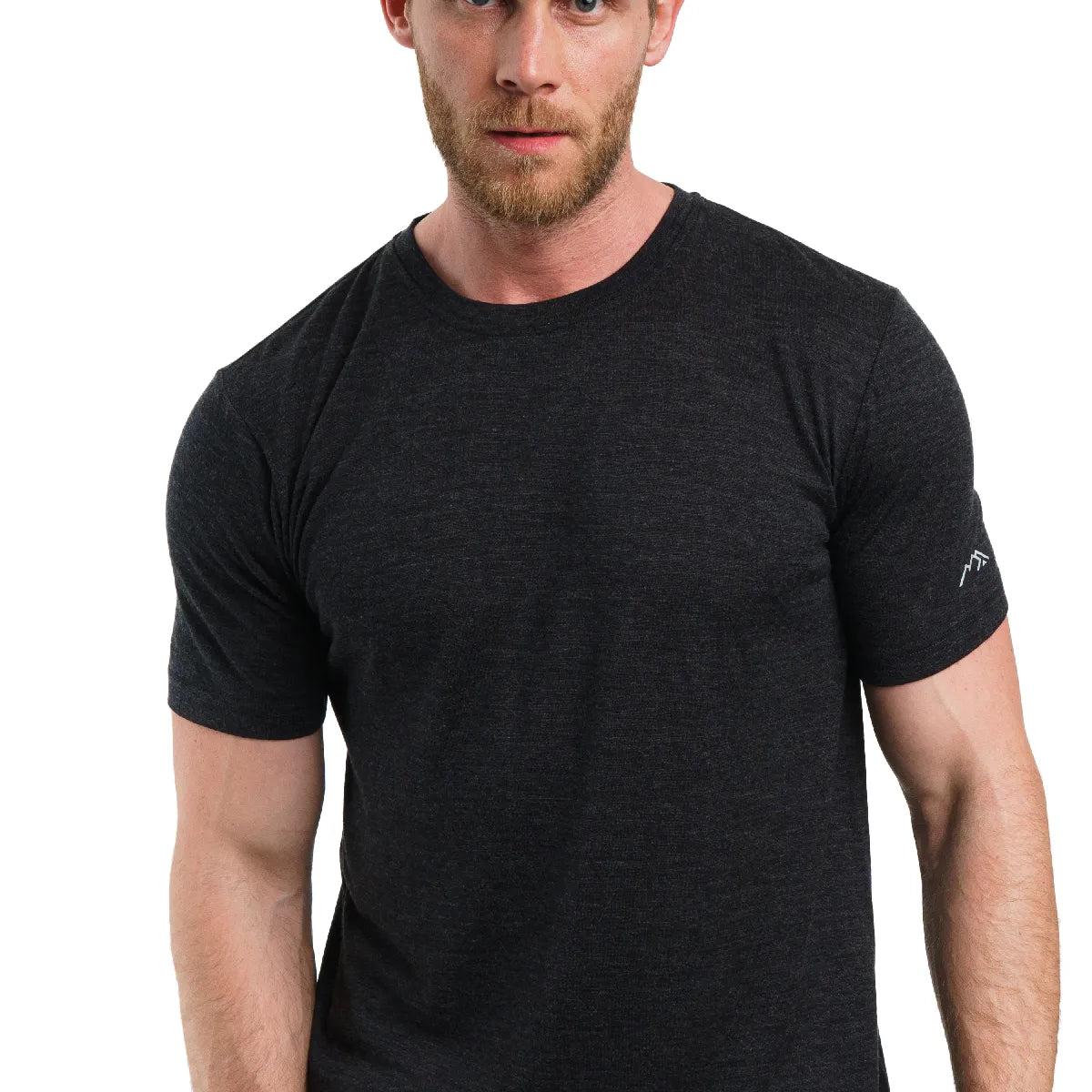
Merino Tech Men’s T-shirt 180 Charcoal
A neutral charcoal shirt can work with several outfits, which may reduce the temptation to pack a different top for every plan. Only consider this one if it would replace an item on your list, not add to it. Check fit, washing needs, the selected size’s availability and current price before buying.
Count travel-day clothing
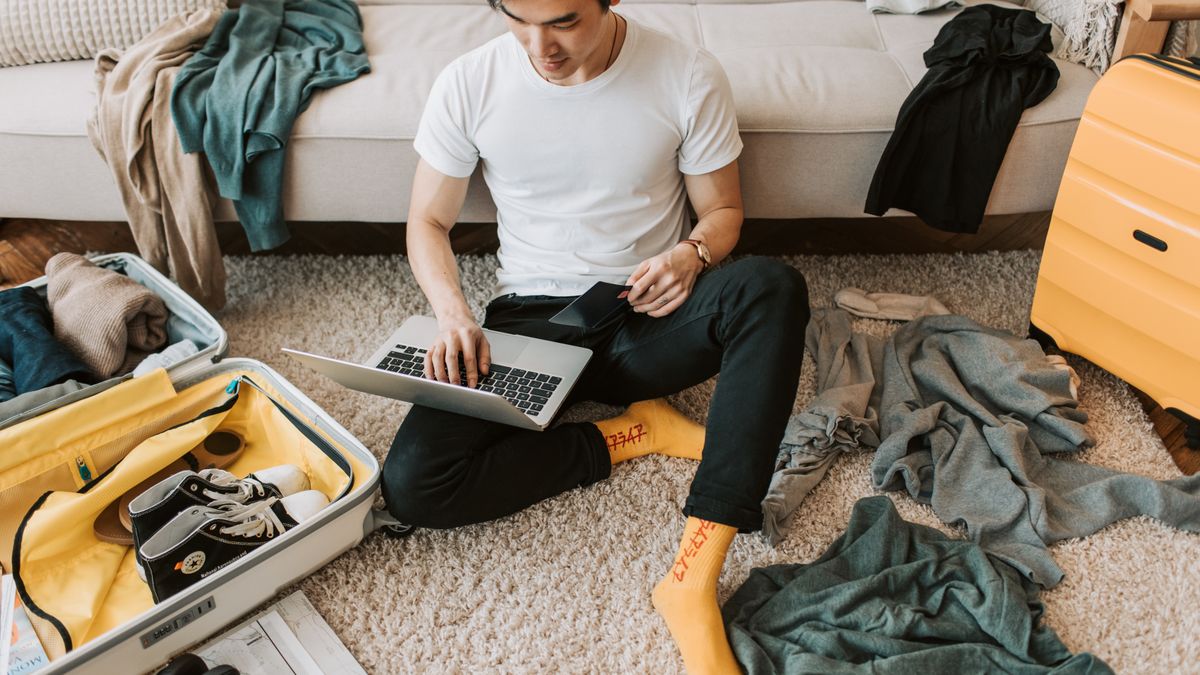
The trousers and shoes you wear on departure can often work again. Include them in your total so you do not inadvertently duplicate outfits.
Use one backup per credible risk
A compact rain layer or spare underwear set may be valuable. Three unrelated jackets for uncertain weather rarely are. Prioritize essential medication and documents over extra casual clothes.
Reduce toiletries intelligently
Take your real routine and compliant container sizes, not every product from the bathroom. Check flight restrictions and destination availability before downsizing.
Review what stayed unused
After the trip, record unused garments and why you packed them. Use that evidence to build your next checklist rather than repeating the same mistake.
The Outfit Audit Before You Pack
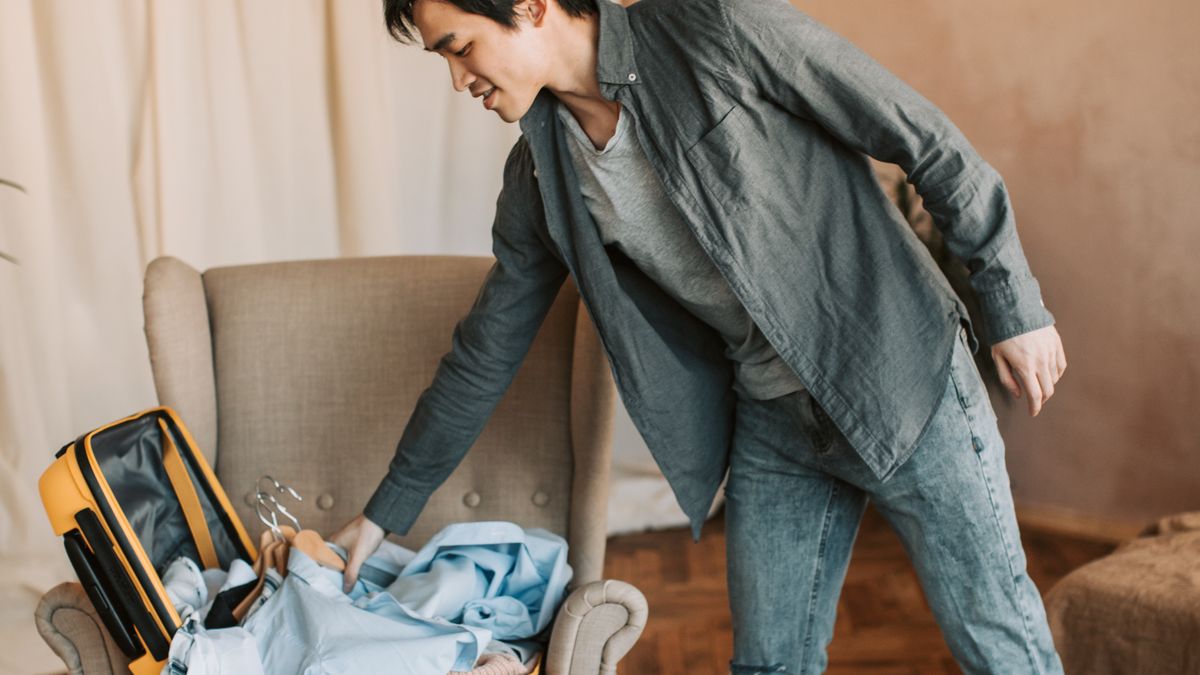
Start by creating a simple list of scheduled activities: flying, walking, swimming, dinner and anything requiring a specific dress code. Then lay out the outfits rather than listing garments separately. A pair of dark trousers worn in transit might also work for dinner, while a clean casual shirt could cover a daytime visit and an evening meal. This reveals which combinations actually need their own pieces and which are duplicates disguised as choice. For versatile outfit combinations, our men’s capsule wardrobe guide explains how fewer pieces can work.
Do not plan as though every possible invitation will happen. If your calendar contains one restaurant booking, it probably does not justify four complete dinner looks. If there is a formal wedding or business presentation, that is a genuine requirement and deserves appropriate clothing. The distinction is between a confirmed need and a fear of being unprepared.
Use the One-Outfit-One-Purpose Test
Pick up each item and name the occasion where you expect to wear it. A rain jacket has a defined role if precipitation is likely. Spare underwear has a clear hygiene purpose, particularly on long travel days. A third nearly identical pair of trousers may have no unique role. Set questionable items aside and see whether a complete trip is still covered without them.
If an item serves two needs, it may be more valuable than two specialized pieces. Neutral chinos can work for travel and many casual evenings. A clean overshirt can act as a layer and part of an outfit. That does not mean every trip should use the same minimalist wardrobe: a hot, humid destination may require more fresh shirts than a cool, indoor-focused visit. Test the plan against your real activities.
The Difference Between an Essential Backup and an Imaginary One
A spare set of underwear in a personal item can be sensible if your checked bag is delayed. An appropriate weather layer can protect you from a credible forecast. Those contingencies are different from packing a spare watch, three additional shoes and two jackets for events that are not on the itinerary. The goal is to reduce the consequences of likely disruptions, not to prevent every imaginable inconvenience.
Use a risk-based test. What would happen if this item were missing? Could you safely continue the trip? Is a substitute already packed? Would it be easy to replace locally if genuinely needed? Keep irreplaceable documents, required medication and appropriate protective gear regardless of how much space they consume. Minimalism is not a reason to leave essential items at home.
Deciding How Many Shoes to Take
Footwear has a disproportionately large effect on luggage volume. Begin with the shoe you need for the longest period of walking and wear it during transit if comfortable. Next, check the itinerary for any setting it cannot serve. A formal dinner, rocky beach or technical outdoor excursion may justify another pair. An ordinary city weekend usually does not justify three interchangeable casual shoes.
If you pack another pair, clean it, let it dry and protect the soles from clothing. Don’t press hard footwear against a dress shirt collar or laptop compartment. If the shoes cause the suitcase to become overweight, consider removing a low-value clothing extra before cutting footwear required for safety or the actual dress code.
Plan Laundry Rather Than Assuming It
People often overpack because they expect every garment to be worn once. Some outer layers and trousers can be reused when clean and suitable, but next-to-skin garments deserve more careful counts. If the itinerary includes access to reliable laundry, a small repeatable wardrobe can cover a longer trip. Confirm turnaround, pricing and fabric care before building the plan around hotel service. For a longer trip, our guide to packing a carry-on for a one-week trip develops this system.
If you plan to hand wash something, consider drying conditions. A shirt that dries overnight in one climate may remain damp in a humid hotel bathroom. Do not count on that method for the one shirt you need at an early meeting unless you have tested the fabric and environment. When there is no practical laundry, carry enough clean essentials instead of forcing an unrealistic capsule rule.
The Hidden Weight of Toiletries and Accessories
Several half-used products, bulky chargers and decorative extras can weigh as much as garments you are considering removing. Examine your daily routine and take only what you actually use. A single familiar styling product may be more valuable than multiple new samples. Label refill containers, check their compatibility and secure liquids in a separate pouch. For flights, follow the current airport and carrier restrictions.
Technology should undergo the same audit. Keep the charger and adapters your devices genuinely need and avoid duplicating cables with no purpose. Under applicable aviation rules, spare lithium batteries and power banks require cabin handling, and airlines may restrict their capacity. Clever distribution between bags does not override a fare’s weight limit or a safety rule.
What to Do When the Bag Still Won’t Close
Do not solve a full suitcase by applying pressure until the zipper strains. Lay everything out again and remove items without unique roles. Check whether you are carrying duplicate trousers, shoes, beauty products or a jacket you do not expect to wear. Reorganize the rest so hard accessories do not crush clothes and essentials remain accessible.
A compression cube may reduce the bulk of suitable soft garments, but it will not change their weight. A bag that closes only after severe compression can leave clothing creased and make repacking during the trip difficult. Sometimes checking a larger suitcase is the realistic choice, especially for long journeys or specialized gear. The right answer is a better decision, not an arbitrary promise that one bag must always suffice.
Use Your Unworn Clothes as Data

When you return, identify every garment that stayed untouched. Ask why you included it: unclear itinerary, social anxiety about the dress code or a bad forecast that later changed. Keep a record of the items you genuinely missed too. Perhaps you needed another set of socks after a wet day or wished you had carried a light rain layer.
This feedback turns each trip into a better future checklist. If your second jacket is unused on three consecutive city breaks, stop packing it by default. If you consistently need fresh tops in humid weather, adjust that count. Overpacking improves when you trust evidence from your own travel habits instead of copying an aesthetic minimalist challenge.
Real Travel Situations
Situation 1.
Five dinner outfits for one reservation: keep the confirmed best-fitting option and remove alternatives.
Situation 2.
Uncertain forecast: use one flexible layer and check conditions close to departure.
Situation 3.
Overweight bag: remove redundant clothes, not medication or required weather protection.
Final Check Before Departure
Check the allowance on the actual flight and fare. Keep travel documents, essential medication, valuables and spare lithium batteries where appropriate and accessible. A clever arrangement is not useful if the bag must be checked unexpectedly or if something essential cannot be retrieved. Confirm conditions against official sources when traveling across airports or borders. For documents and essentials, see the travel kit every man should own.
Frequently Asked Questions
How many outfits do I need?
Based on activities, days and rewear opportunities.
Is one pair of shoes enough?
Sometimes, when it covers all required activities.
Should I pack for emergencies?
For credible risks, yes; not every imaginary event.
Do packing cubes prevent overpacking?
No. They may simply compress unnecessary clothes.
What should never be cut?
Critical documents, medication and essential safety items.
The Bottom Line
Good travel organization is about meeting your real needs without creating new problems. Keep important items safe, test the packed bag and make tradeoffs based on the conditions you will encounter. A practical plan will be slightly different for every journey.
Affiliate Disclosure: This article contains affiliate links. Modern Men HQ may earn a commission if you purchase through them, at no additional cost to you. Read our full Affiliate Disclosure.