A pair of sneakers can stain clean clothing, crush delicate items and trap moisture inside luggage. The answer is to clean, dry, isolate and position footwear instead of simply finding a gap where it fits.
Quick answer
- Clean soles before closing the case
- Dry footwear thoroughly
- Use a washable barrier
Brush loose dirt and wipe the shoes as their materials allow. A pouch stops direct transfer, but it cannot make muddy footwear clean. Plan for the actual itinerary rather than copying a stranger’s minimalist packing list.
The Practical Method
Clean soles before closing the case
Brush loose dirt and wipe the shoes as their materials allow. A pouch stops direct transfer, but it cannot make muddy footwear clean.
Dry footwear thoroughly
Wet shoes sealed for days can create odor and moisture problems. If travel timing prevents full drying, isolate them temporarily and air them promptly on arrival.
Use a washable barrier
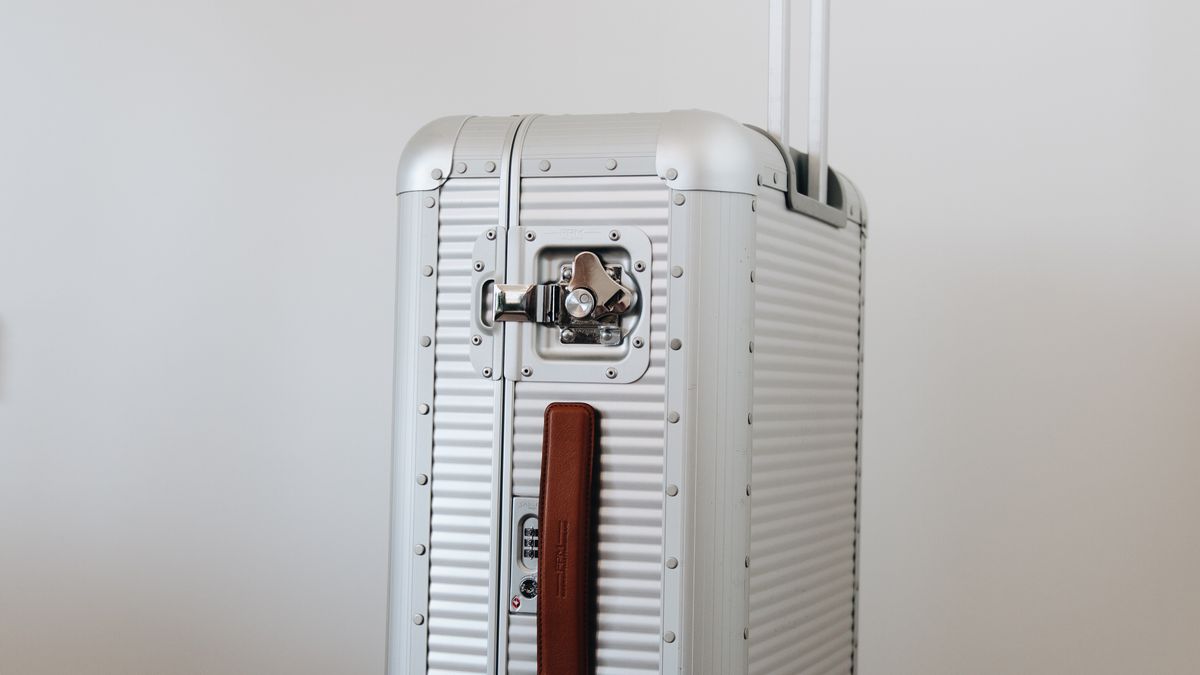
A reusable shoe bag or clean protective cover helps separate soles from shirts. Avoid storing damp leather or sneakers in a completely sealed cover longer than necessary.
Keep weight stable
Position heavier shoes where they will not slide into collars or eyewear. The best location depends on suitcase orientation and backpack design.
Protect structured garments
Shirts and jackets need room. Do not press a hard sole against a dress shirt collar, jacket shoulder or unprotected electronics.
Consider wearing the bigger pair
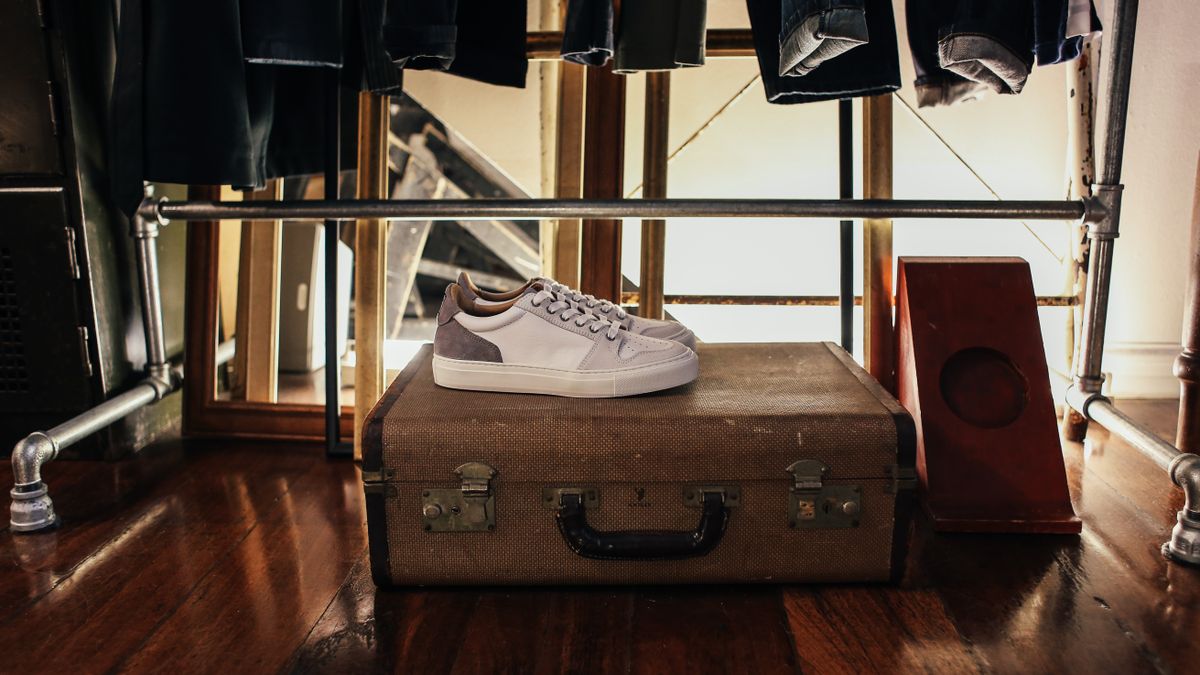
For a short trip, wear comfortable sneakers in transit and only pack another pair if a real event requires them.
Why Clean Shoes Can Still Damage Clothes
Even a shoe that looks clean can leave dark scuffs or transfer moisture from the sole to light fabrics. Hard heel counters, eyelets and metal lace parts can catch on delicate garments or concentrate pressure against shirt collars. Protecting clothes therefore involves more than keeping muddy soles away from them. Think about contact, movement and weight each time the bag is lifted. When packing formal shoes, see our guide to protecting leather dress shoes in a suitcase.
Before packing, inspect shoes for grit lodged in the tread. Remove loose dirt with a method suitable for the footwear. If the uppers are damp, allow them to dry rather than immediately sealing them in plastic. A shoe bag reduces direct contact but cannot compensate for moisture trapped inside the shoe. The return trip after a hike is a different problem from packing clean sneakers at home.
Choose a Bag That Separates Soles and Fabric
A simple washable pouch is usually sufficient for dry sneakers. Place each pair inside with laces controlled and any loose attachments secured. If the bag is too thin and allows hard sole edges to press into clothing, add protective placement or a more substantial cover. The aim is a barrier and a stable location, not a complex packing accessory.
Avoid assuming a cloth dust bag is waterproof. It may prevent direct dirt transfer but allow water to reach other belongings. Conversely, an airtight waterproof pouch can trap dampness. Choose the cover according to the actual state of the shoes. For a short period, containment may be necessary; when you reach accommodation, open and dry damp footwear as appropriate.
Where Shoes Belong in a Rolling Suitcase
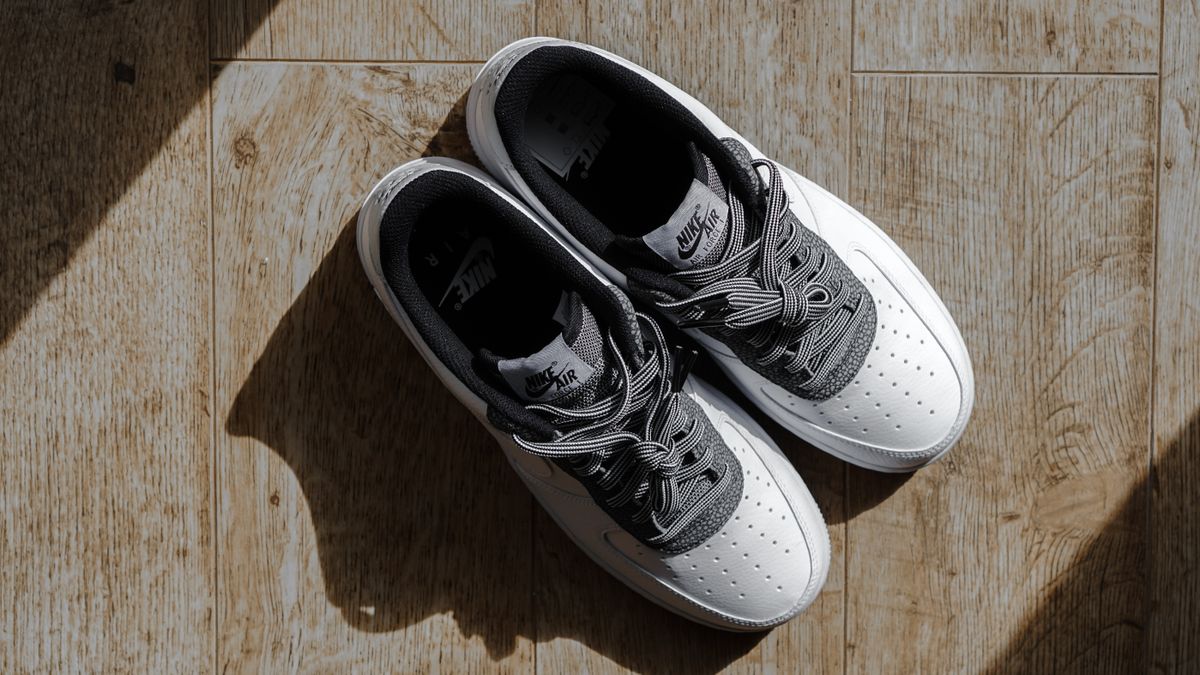
Lay the suitcase in the orientation used for packing and locate the areas where the heaviest items will remain stable when you stand it upright. Place shoes in a protected zone that does not press directly against a blazer’s shoulders or a dress shirt’s collar. Use internal straps or dividers when available. If a pair cannot fit without crushing delicate garments, remove something else rather than forcing it into the space.
A wheeled case may shift while rolling. Consider how the footwear moves when the bag is vertical, especially if heavy shoes sit on top of a loose stack of clothes. A stable shoe compartment helps protect both the garments and the bag’s structure. Testing the suitcase upright before departure can reveal pressure points that were invisible when it lay flat.
Where Shoes Belong in a Backpack
In a backpack, placement also affects comfort. Dense items positioned far from your back can pull the bag outward and make it harder to carry. Use the bag’s design and fit guidance rather than a rigid rule about ‘bottom’ or ‘top’ for every model. Keep shoes isolated from laptops and sharp electronics accessories.
Backpack space is particularly limited on short trips. Wearing your largest comfortable pair may free enough space for essential clothing without buying a bigger pack. If you already have footwear suitable for walking, transit and dinner, question whether a second pair is necessary. A minimalist shoe decision is more effective than clever stuffing into corners.
Should You Put Socks Inside Shoes?
Shoe interiors can be used to stabilize their shape or hold small soft items, but cleanliness matters. Bare clean socks pressed against sweaty insoles may pick up odor. Use a clean protective pouch if you choose to store fresh accessories inside fully dry shoes. Do not put valuable jewelry, medication or important paper documents inside footwear where they may be overlooked or damaged.
If you want to preserve the shape of a structured shoe, follow its care needs. Some leather shoes benefit from shoe trees or appropriate stuffing, but those may be unnecessary for ordinary sneakers on a short trip. Avoid expanding a soft shoe with an overpacked bundle that changes its shape. To clean sneakers before packing them, our guide to cleaning white sneakers safely covers material-aware care.
What About Wet or Muddy Footwear on Return?
After outdoor activity, brush off loose debris and dry shoes as much as possible before repacking. Isolate them from shirts, towels and electronics. If you cannot dry them fully before a transfer, use temporary protective containment and plan to open the bag promptly at the next stop. Extended sealed storage can create odor and moisture problems. For coordinating fewer versatile pieces, our men’s capsule wardrobe guide offers a useful framework.
Do not leave a pair of used gym trainers sealed in a suitcase after you arrive home. Remove them, clean according to their materials and dry them properly. A laundry pouch and shoe bag solve the separation problem, but neither replaces washing and drying. The best return routine assumes that used equipment needs care.
A Business Trip Example
Imagine traveling with one pair of clean sneakers and one pair of leather meeting shoes. If you can wear the sneakers in transit and reserve the leather shoes for meetings, protect the formal pair from pressure and keep it apart from chargers and grooming bottles. If you choose to wear the leather shoes on the plane, make sure they are comfortable for the journey, including airport walking. Saving luggage space is not worth a painful travel day.
A dress-shirt collar and laptop should receive space priority. Shoes are heavy and replaceable in placement terms; the shirt you must present in tomorrow and work device deserve protection. Use the bag layout that preserves their condition instead of forcing both shoe pairs into the top of an overfilled case.
One Shoe Pair Versus Two
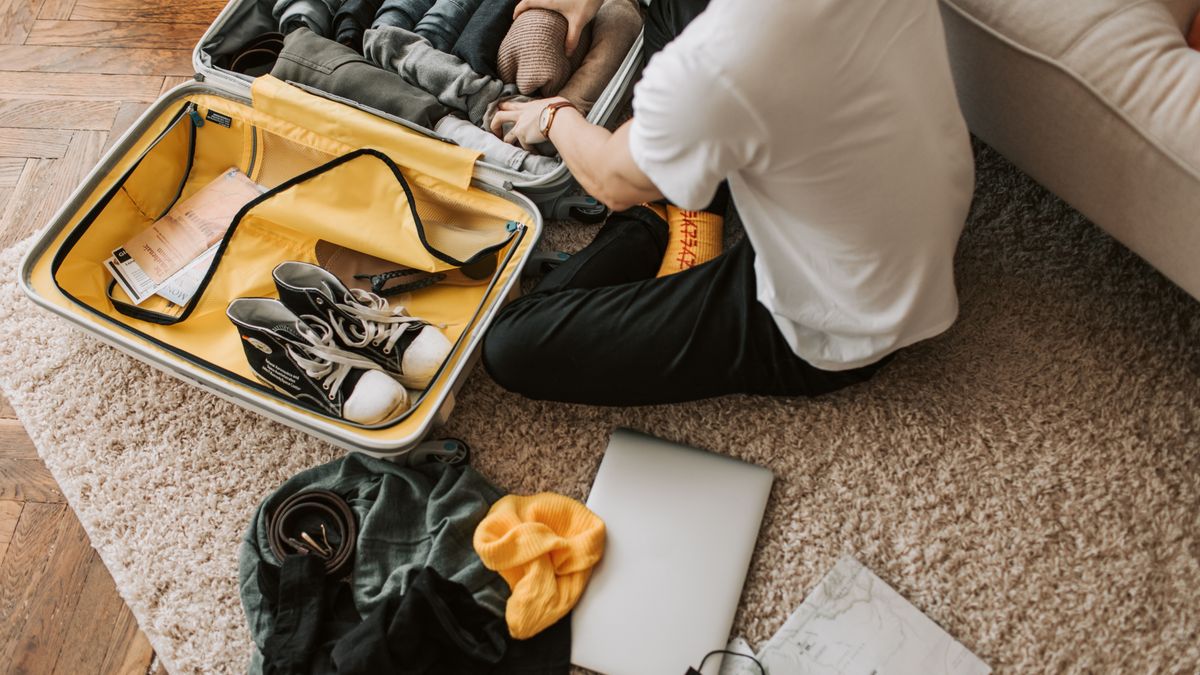
For a casual city weekend, a versatile sneaker may cover airport transfers, sightseeing and an informal dinner. When that is true, the best footwear-packing strategy is to skip packing shoes entirely and wear the one pair you need. A second pair becomes justified when the trip includes a real business dress requirement, a pool where shower sandals are sensible or an outdoor activity requiring different traction. This decision should be made before choosing packing accessories. There is little benefit in buying a specialized shoe pouch merely to carry shoes that serve no planned purpose. If two pairs are necessary, choose the case location and protective cover around the more fragile garments rather than squeezing in a third pair.
The Final Six-Point Shoe Check
Before closing the bag, check that soles are reasonably clean, uppers are dry, laces are controlled, a protective cover is in place, shoes cannot slide into fragile objects and the suitcase closes without undue pressure. Stand the case upright and consider whether the shoes shift. Weigh the packed bag if traveling by air and compare it with the operating airline’s actual allowance.
At the hotel, remove footwear used for walking, air it as appropriate and keep clean garments in their own compartment. At home, unpack promptly. The goal is not immaculate packing photography; it is arriving with clothing that has not been scuffed, wetted or crushed by shoes that could have been separated more thoughtfully.
Real Travel Situations
Situation 1.
Dress-shirt trip: keep footwear protected on the lower case side and shirts laid flat above.
Situation 2.
Muddy trail shoes: clean before return travel, use a barrier and dry them at the next opportunity.
Situation 3.
Gym shoes: keep used footwear separate from meeting clothes and electronics.
Final Check Before Departure
Check the allowance on the actual flight and fare. Keep travel documents, essential medication, valuables and spare lithium batteries where appropriate and accessible. A clever arrangement is not useful if the bag must be checked unexpectedly or if something essential cannot be retrieved. Confirm conditions against official sources when traveling across airports or borders.
Frequently Asked Questions
Should shoes go on the bottom?
Keep heavier items stable without crushing fragile pieces.
Do shoe bags prevent odor?
No, they separate contact but do not dry shoes.
Can socks go inside shoes?
Clean socks inside their own pouch can save space.
How many pairs for a weekend?
Often one versatile pair.
What if sneakers are wet?
Separate temporarily, then dry them promptly.
The Bottom Line
Good travel organization is about meeting your real needs without creating new problems. Keep important items safe, test the packed bag and make tradeoffs based on the conditions you will encounter. A practical plan will be slightly different for every journey.