An overcoat and a peacoat can both handle cold weather, but they solve different wardrobe problems.
An overcoat is longer, cleaner, and more formal. A peacoat is shorter, more casual, and easier with jeans and everyday clothes.
If you wear tailoring, office clothes, or formal outfits often, an overcoat usually gives you more value. If your winter wardrobe is mostly denim, knitwear, boots, and casual trousers, a peacoat can make more sense. The choice should fit the larger system in our modern man’s wardrobe guide.
Overcoat versus peacoat: what is the main difference?
The main difference is length and formality.
An overcoat usually reaches around the knee or above it. It is designed to sit over a suit, jacket, or layered outfit.
A peacoat is shorter and usually double breasted. It has a stronger casual and military feel.
Which one is warmer?
An optional winter accessory
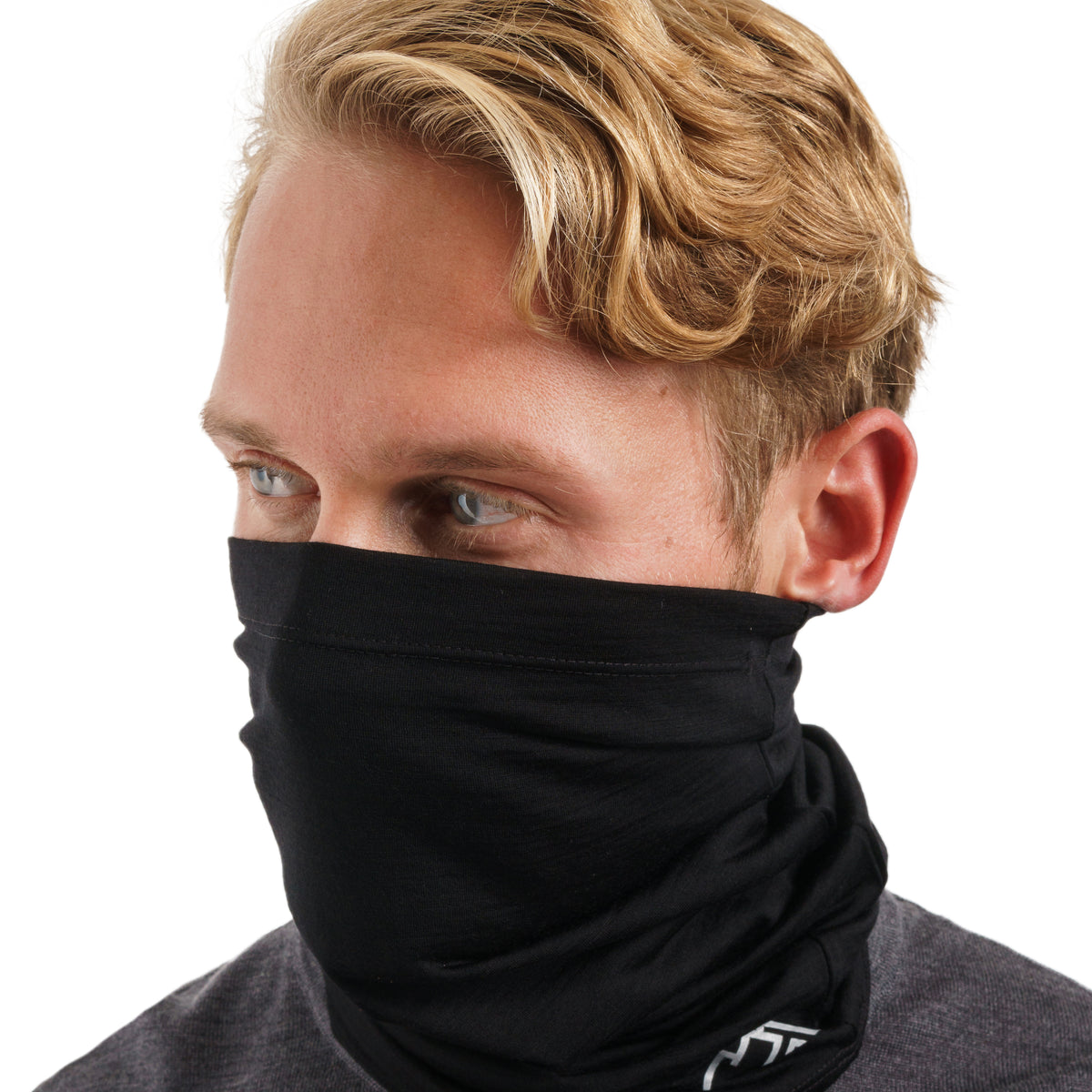
Merino Tech Neck Gaiter 165 Black
Whether you choose an overcoat or a peacoat, a neck gaiter is one practical option for exposed cold or wind. It is not a substitute for an adequately warm coat, and a more formal scarf may suit tailored outfits better. Merchant-listed price: $23.99 USD, subject to change.
An overcoat often has the advantage because it covers more of the body.
That does not mean every overcoat is warmer than every peacoat. Fabric weight, lining, fit, and wind all matter.
A heavy wool peacoat can be very warm through the torso. A long wool overcoat protects more of the legs and blocks more wind.
Which one is more formal?
The overcoat.
Its longer line and cleaner shape work naturally over suits, dress trousers, and formal shoes.
A peacoat can look sharp, but it still reads as more casual.
Can you wear a peacoat over a suit?
You can, but the proportions may feel wrong.
A suit jacket can extend below a short peacoat, which looks untidy.
If you regularly wear suits, buy outerwear long enough to cover the jacket.
Can you wear an overcoat casually?
Yes.
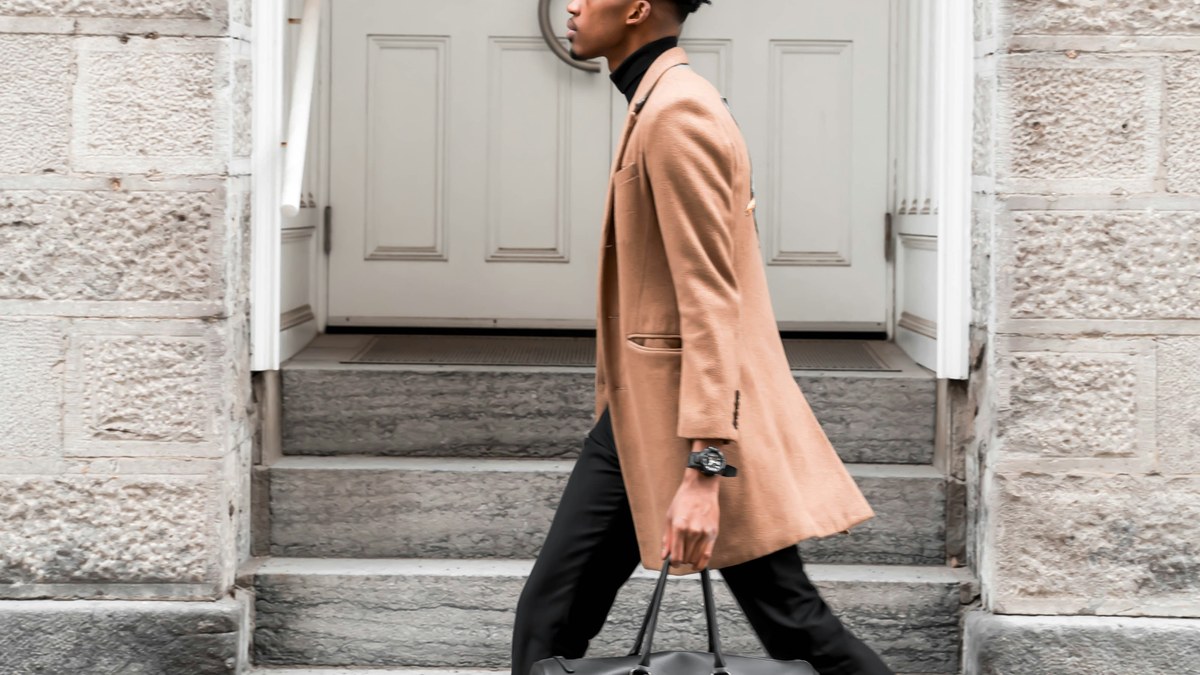
An overcoat can look excellent with knitwear, jeans, chinos, sneakers, or boots.
Choose a softer fabric, relaxed shoulder, or slightly less formal color if you want more range.
Which one works better with jeans?
A peacoat is the easier match.
Its shorter length and naval roots suit denim naturally.
An overcoat can still work with jeans when the rest of the outfit is clean and intentional.
Which one works better with chinos?
Both.
A peacoat keeps chinos casual. An overcoat makes them feel sharper.
Use the shoe and shirt to decide which direction the outfit should go.
Which one works better with dress pants?
An overcoat.
The formality and drape of wool trousers fit the longer coat more naturally.
A peacoat can still work if the trousers are part of a relaxed smart casual outfit.
Which one works better with sneakers?
A peacoat is easier with casual sneakers.
An overcoat works best with simple low profile sneakers rather than bulky athletic shoes.
Which one works better with boots?
Both work well.
Peacoats pair naturally with rugged boots, Chelsea boots, and chukkas.
Overcoats work especially well with Chelsea boots and refined leather boots.
What fabric should you look for?
Wool is the classic choice for both.
Higher wool content usually improves warmth, drape, and appearance, though blends can add durability or reduce cost.
Do not judge only by the percentage on the label. Feel the fabric. Check its weight and structure.
How should an overcoat fit?
It should have enough room for the clothes you will actually wear underneath.
If you plan to wear a suit, try the coat over a suit jacket.
The shoulders should sit cleanly. The chest should close without pulling. The sleeves should cover the layers beneath.
How should a peacoat fit?
A peacoat should feel trim without becoming tight.
The double breasted front already adds structure. If the body is too loose, the coat can look boxy.
You still need enough room for a sweater.
Should an overcoat be oversized?
Only if the style is deliberately relaxed.
A classic overcoat already needs room for layers. Buying several sizes too large can make the shoulders and sleeves look careless.
Choose enough ease for movement, not random extra fabric.
What length should an overcoat be?
Mid thigh to around the knee is a useful range for most men.
Longer coats give more warmth and formality. Shorter coats feel easier and more modern.
Your height matters, but there is no rule that shorter men cannot wear long coats.
What length should a peacoat be?
It usually ends around the upper thigh or hip area.
It should cover the waistband and enough of the seat to look like outerwear rather than a short jacket.
Which one is better for short men?
Either can work if the proportions are right.
A clean overcoat with a controlled length can create a strong vertical line.
A peacoat avoids extra length, but a very boxy one can make the body look wider.
Which one is better for tall men?
Long overcoats can look especially natural on taller frames because there is more vertical space for the coat.
Peacoats can also work, but check that the sleeves and body are long enough.
What color should you buy first?
Navy, charcoal, camel, and dark brown are strong choices.
Navy and charcoal are the safest for formal use. Camel adds contrast and works well with dark winter clothing.
For a peacoat, navy is the classic starting point.
Should you buy black?
Black can work, especially if your wardrobe already uses a lot of black and gray.
Navy and charcoal often feel slightly easier with brown shoes and more casual clothes.
Single breasted or double breasted overcoat?
Single breasted coats are easier to wear open and usually feel less formal.
Double breasted coats create more presence and can feel warmer when closed.
Choose based on how often you will wear the coat rather than what looks dramatic in a photo.
Are peacoats always double breasted?
Traditional peacoats are.
The double breasted front and broad collar are part of the design.
If you want a single breasted short coat, you may be looking for a different style of jacket.
Which one is better in rain?
Neither is a true raincoat.
Wool can handle light moisture, but repeated heavy rain is not ideal.
If you live somewhere wet, a proper waterproof shell or raincoat may be a better first purchase.
Which one is better in wind?
A peacoat’s double breasted front and dense wool can block wind well through the torso.
An overcoat covers more body, which can make it more protective overall.
Which one travels better?
A peacoat is easier to pack because it is shorter.
An overcoat is better if the trip includes formal work or cold walking outside.
Wear the bulky coat on the plane rather than trying to fold it into a small bag.
Which one gives better value?
The one that matches your real winter life.
An overcoat that stays in the closet because you dress casually has poor value. A peacoat that cannot cover your suit jacket has the same problem.
Cost per wear matters more than theoretical versatility.
Should you buy used?
Wool outerwear can be a good secondhand purchase.
Check for moth damage, worn cuffs, broken lining, shoulder shape, and alterations.
A high quality used coat can offer better fabric than a cheap new one.
How does this fit a capsule wardrobe?
Choose the coat that covers the largest number of your winter outfits.
Our capsule wardrobe guide uses the same rule across the closet: fewer pieces, more useful combinations.
Overcoat or peacoat: which should you buy?
Buy an overcoat if you need formality, length, and room over tailoring.
Buy a peacoat if you want a shorter casual coat for jeans, chinos, knitwear, and boots.
If you eventually own both, let them serve different roles.
The right coat should match the life under it
Outerwear is not separate from the wardrobe.
It sits over everything else you chose.
Build the coat around your actual clothes, climate, and dress code. That is more useful than choosing the coat with the most status.
What should you wear under each coat?
An overcoat is designed to handle more structure underneath. It can sit over a suit jacket, blazer, thick knit, or layered smart casual outfit.
A peacoat works especially well over sweaters, flannel shirts, Oxford shirts, and lighter casual layers.
Try the coat with the thickest layer you actually expect to wear. A coat that fits over a T shirt but cannot close over winter clothing is the wrong size for the job.
Should the coat shoulder be exact?
It should look controlled, but outerwear needs more room than a shirt.
Some modern coats use a softer or deliberately dropped shoulder. The important point is whether the coat hangs cleanly and still lets you move with the intended layers underneath.
How do you judge coat quality in person?
Check the fabric, lining, button attachment, pocket construction, collar, and how the coat hangs when open and closed.
Look at the inside as well as the front. A coat is used hard through winter, so weak buttons and thin pocket bags become annoying quickly.
Affiliate Disclosure: This article contains an affiliate link. Modern Men HQ may earn a commission if you purchase through it, at no additional cost to you. Read our full Affiliate Disclosure.