A watch that looks right in its box can feel wrong on your wrist. If the metal bracelet is too loose, the case may slide toward your hand, rotate to the inside of the wrist, or knock against your desk whenever you type. A small amount of natural movement is normal. A watch that repeatedly flips around is a different matter.
The right fix depends on how the bracelet is built. Some watches offer fine adjustment through the clasp without removing a full link. Others use removable links, half-links, screws, pins or tiny collars that have to be reassembled correctly. A leather strap with holes is a separate system. This guide focuses on metal bracelets and the decisions to make before using tools.
The important goal is not to make the bracelet as tight as possible. Your wrist changes slightly in size throughout the day with temperature and activity. A fit that seems perfect when your hands are cold may feel uncomfortable in warmer conditions. You want the case to stay in a sensible position without pinching, leaving deep marks or creating pressure when you move.
First identify why the watch feels loose
Put on the watch, fasten the clasp fully and let your arm hang naturally. Notice where the case sits. Does it remain on the outside of the wrist but move slightly? Does it slide far toward the hand? Can it spin freely? A mild shift may be acceptable depending on the bracelet’s weight, case design and your own preference.
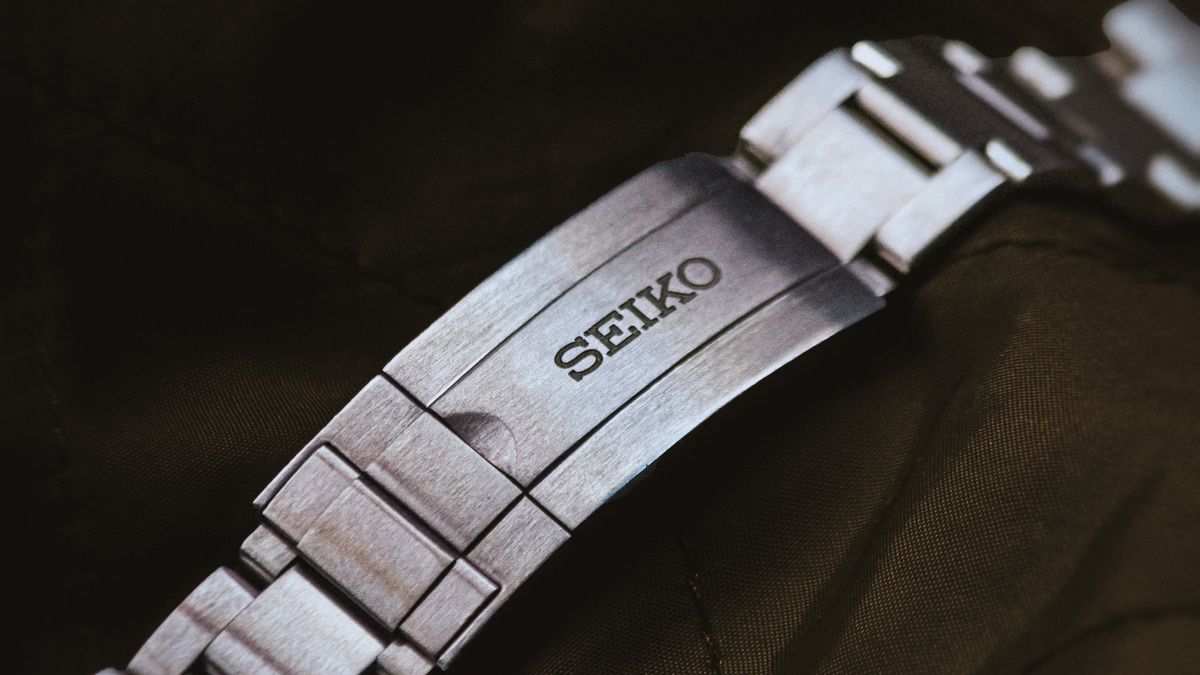
Look at the clasp. It may not be closing fully, particularly if dirt or a misaligned component prevents a secure lock. Never wear a bracelet that opens unexpectedly simply because removing a link might be inconvenient. A faulty clasp needs a different repair from a strap that is merely long.
Then inspect the links for damage. A missing or protruding pin, bent link, loose screw, or distorted spring bar is a safety issue, not only a sizing problem. If a connector is visibly escaping from the bracelet, stop wearing the watch until it has been corrected by someone who understands that exact construction.
What adjustment does the bracelet allow?
| Bracelet design | Likely adjustment | Main caution |
|---|---|---|
| Clasp with adjustment holes | Move spring bar to permitted position | Tiny spring bar can escape |
| On-the-fly micro-adjust clasp | Use built-in mechanism | Follow watch-maker instructions |
| Removable full links | Remove appropriate links | Balance bracelet sides and retain parts |
| Half-links supplied | Fine-tune length | Correct direction and pin system matter |
| Mesh or sliding clasp | Move clasp on mesh if adjustable | Locking plate must fully engage |
| Integrated or complex bracelet | Professional sizing may be best | Expensive proprietary parts |
A quick check of the clasp comes before link removal. Small adjustments may solve the whole problem with less risk. Some modern bracelets include tool-free adjustments, while others have several holes where a spring bar can sit. Not all clasps offer this feature, and it should not be forced when absent.
The difference between micro-adjustments and link removal
A micro-adjustment changes the bracelet’s usable circumference in small increments, usually at or near the clasp. It is useful when the watch is only slightly loose or tight. The exact mechanism varies. Some clasps use push-button extension systems; others have holes that require a suitable spring-bar tool.
Removing a link makes a bigger change. That can be necessary when the watch moves substantially or when no clasp adjustment has enough range. But removing too many links can make the bracelet uncomfortably tight. Before altering anything, estimate how much length needs to be reduced and check whether a half-link or clasp position would produce a better final result.
Do not assume every gap in a clasp is an adjustment hole. Consult the specific model instructions. Watch bracelet parts may be held by pins, screws or proprietary components. A generic video of another watch is not authority for your own bracelet, even if the links look similar from the outside.
How to assess the correct fit
Wear the watch above the wrist bone if that is comfortable for you, then move your hand and rotate your forearm naturally. The watch should not slide repeatedly over the bone onto the back of the hand. It should also not press so hard that the bracelet pinches the skin whenever the wrist flexes.
A small amount of movement is usually preferable to a rigidly tight fit. Some watch-care references use the idea that one finger should fit comfortably between bracelet and wrist as a rough guide. Treat that as a starting check, not a universal precision measurement. Wrist shape, case weight, temperature and personal comfort affect what feels secure.
Repeat the fit check at different times if you are near the boundary between two sizes. A bracelet that feels loose early in a cold room may become comfortable later. Fine adjustment is particularly helpful here. If you are deciding between a tight no-movement fit and a little controlled room, discomfort should be taken seriously.
Inspect the back of the bracelet before using tools
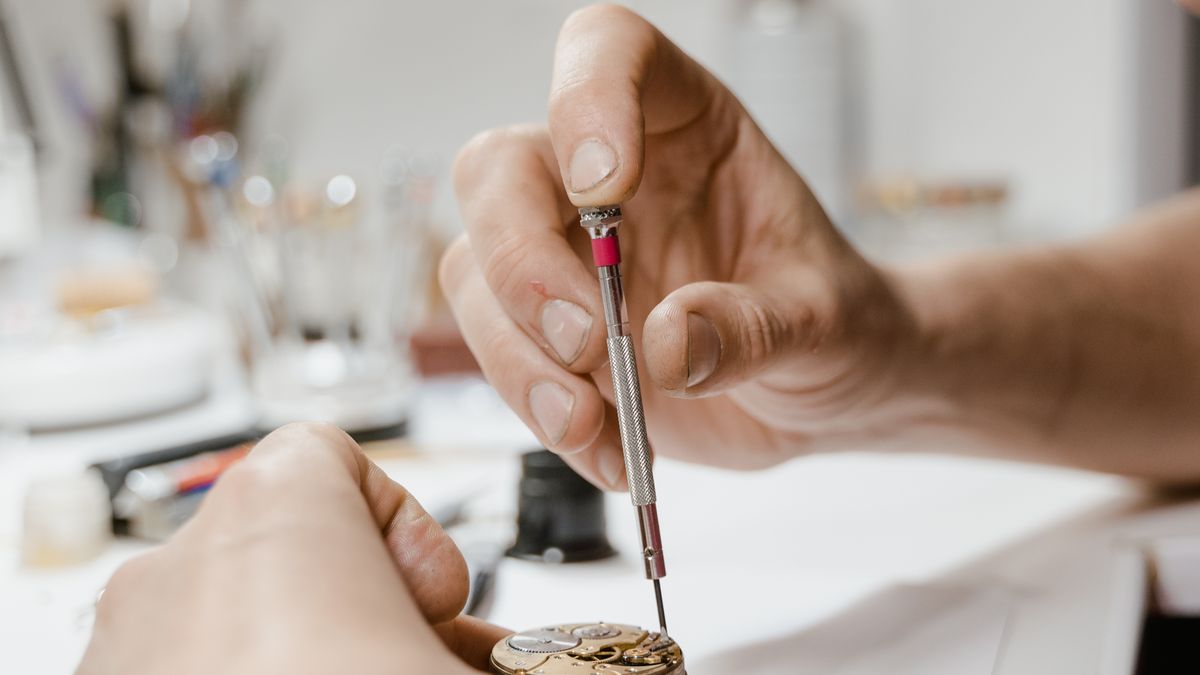
Remove the watch and place it face-down on a clean soft cloth or watchmaker’s mat. Look for directional arrows stamped on the inside of certain metal links. These may indicate the direction in which a friction pin is designed to be pushed. Other bracelets have screw heads, split pins, pin-and-collar assemblies, or more unusual systems.
The removal method follows the hardware, not the watch’s brand name alone. One watch maker may use several bracelet constructions across its catalog. Instructions for a bracelet with screws can damage one with friction pins if followed blindly. When you cannot identify the parts confidently, have a professional size it.
Seiko’s official bracelet-adjustment instructions warn that links, pins, and spring bars must be identified and refitted correctly, and that protruding hardware is a reason to stop wearing the watch. The procedure varies by model; balance the bracelet and verify that its clasp sits comfortably rather than following another watch’s generic tool sequence.
The minimum tool setup
If the manufacturer allows owner adjustment and you recognize the connection system, work on a stable table with good lighting. Protect the watch case and surface with a soft mat. Use the correctly sized screwdriver or pin tool rather than a kitchen knife, paperclip, or whatever sharp object happens to be nearby.
Keep a small container for removed pins, collars, screws and links. Tiny parts can disappear from a smooth desk with almost no effort. If the bracelet uses a pin-and-collar system, losing the collar can mean the link will not lock securely even if the pin appears to go back into place.
Do not work in a rush just before leaving for an event. A slightly loose but secure watch can often wait for proper sizing. A broken link or damaged case caused by hurried improvisation may be an expensive way to save a short trip to a watch repair shop.
Why link removal should be balanced
A bracelet often looks best and wears comfortably when the clasp sits near the center beneath the wrist. Removing every link from one side may shift the clasp, causing the watch to pull sideways even when its circumference seems correct. The case can then rotate more easily and the clasp edge may press into an uncomfortable area.
When you need to remove multiple links, assess distribution across the sides according to the model’s instructions. Half-links and clasp micro-adjustments may help fine-tune the final fit. No universal sequence is right for every watch design, because link shapes and clasp attachments differ.
After removing the appropriate links, inspect that every pin or screw is fully secured. Test the bracelet gently before putting it back on. A link that appears connected but contains a missing collar can separate under movement. Confidence should come from verifying the mechanism, not simply hearing a faint click.
How to deal with a screw-link bracelet
Some metal bracelets use small screws rather than pushed friction pins. The tool must fit the screw head correctly, and the maker may specify particular procedures for thread-locking compounds or assembly. Do not apply ordinary household adhesives to a watch mechanism unless the manufacturer recommends them.
The size of a watch screw invites a common error: over-tightening until the head strips or the metal threads are damaged. Use the proper driver and follow the applicable instructions. If the screw will not turn with reasonable force, stop. Forcing it with a larger tool can turn a straightforward adjustment into a repair.
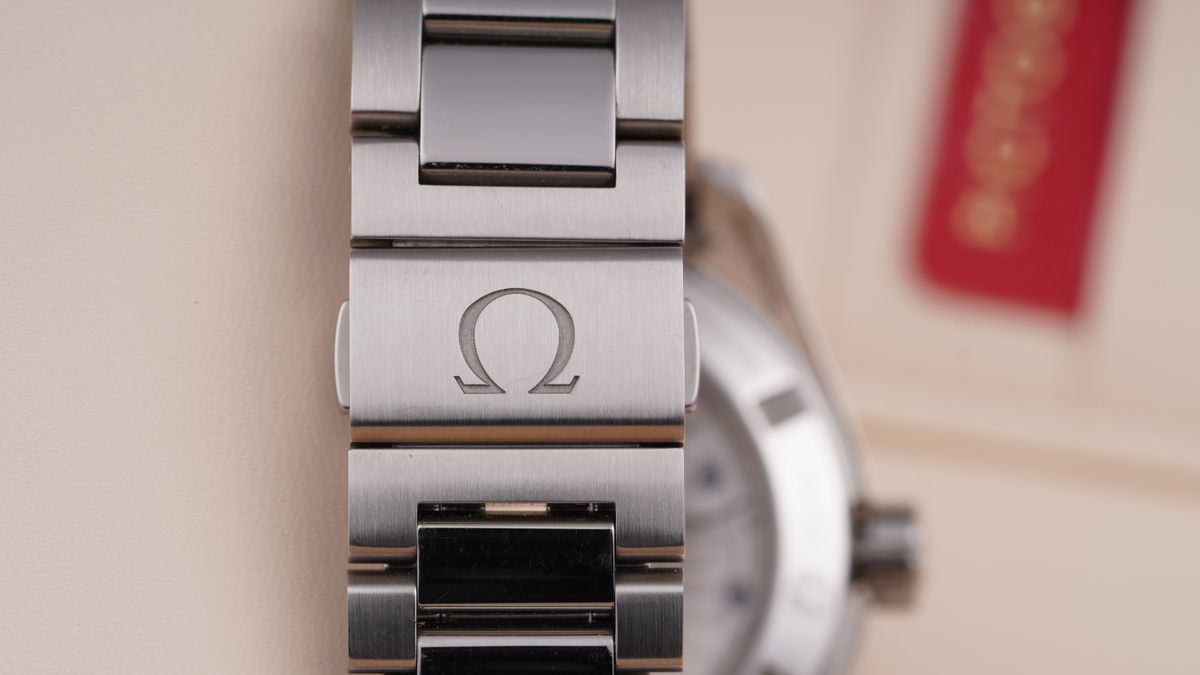
If you have never handled precision watch components, paying a watchmaker to size a valuable bracelet is reasonable. This is not a test of self-reliance. It is a choice about risk, tool access and the cost of potential damage.
When the watch has no adjustable links
Not every bracelet is made from individual removable links. A mesh bracelet may have a sliding clasp, an integrated bracelet may use special components, and a fashion watch may have limited adjustment options. Check the model’s manual and ask the seller or manufacturer about supported sizing.
Do not cut or bend a metal band to fit unless its manufacturer explicitly describes that modification. A watch bracelet is also a retention system. Weakening it risks dropping the watch and causing damage or loss. An unconventional fitting problem is often best handled by a qualified repair shop.
If the bracelet cannot be safely made comfortable, consider an approved replacement strap or an alternative watch rather than inventing a physical modification. Compatibility depends on lug width, case design and attachment construction; never assume that a band will fit based only on appearance.
Check the Clasp Before Removing Another Link
A watch that shifts on the wrist may need a clasp micro-adjustment rather than another link removed. First check that the bracelet is centered and inspect the adjustment points specified by the manufacturer. Try the watch at normal room temperature, since wrist size changes through the day. If a pin, screw or clasp resists the proper tool, stop rather than forcing it. A watchmaker can make a controlled adjustment without unnecessary damage.
Why wrist size changes affect the fit
Wrist circumference can vary during the day because of temperature, activity and other ordinary factors. That is one reason a bracelet should not be fitted extremely tightly at one moment and expected to remain comfortable under all conditions.
Some people prefer slightly looser metal bracelets, especially in warm weather, while others prioritize a stable case position during desk work. Neither preference overrides basic safety. The clasp must remain secure, links must be correctly assembled, and the watch should not restrict movement.
Make one measured change, wear the watch around the home for a while, and reassess. Immediately removing another link because of a few minutes’ discomfort can lead to an oscillation between too tight and too loose. A well-designed clasp adjustment is valuable precisely because it can avoid that cycle.
Recheck the Bracelet After Any Link or Clasp Adjustment
A bracelet that feels better immediately after adjustment still needs a final safety check. With the watch off your wrist, inspect both sides of the clasp and every link you handled. A pin that does not sit flush, a loose screw or a clasp that no longer closes firmly is a reason to stop wearing the watch until the fitting is corrected.
Fasten the watch over a soft surface and check whether it closes securely without forcing the mechanism. Then wear it briefly while doing ordinary desk movements. The watch should be able to move slightly, but it should not rotate freely or slide over the hand. Comfort can change through the day as your wrist expands or contracts, so do not make a very tight fit your goal.
If a bracelet uses an unfamiliar pin system, seized screw or damaged clasp, a watchmaker is the safer next step. A cheap adjustment is no bargain if it damages the links or allows the watch to fall. Keep any removed links and matching pins together in case you want the original size restored later.
How to choose between DIY and a watchmaker
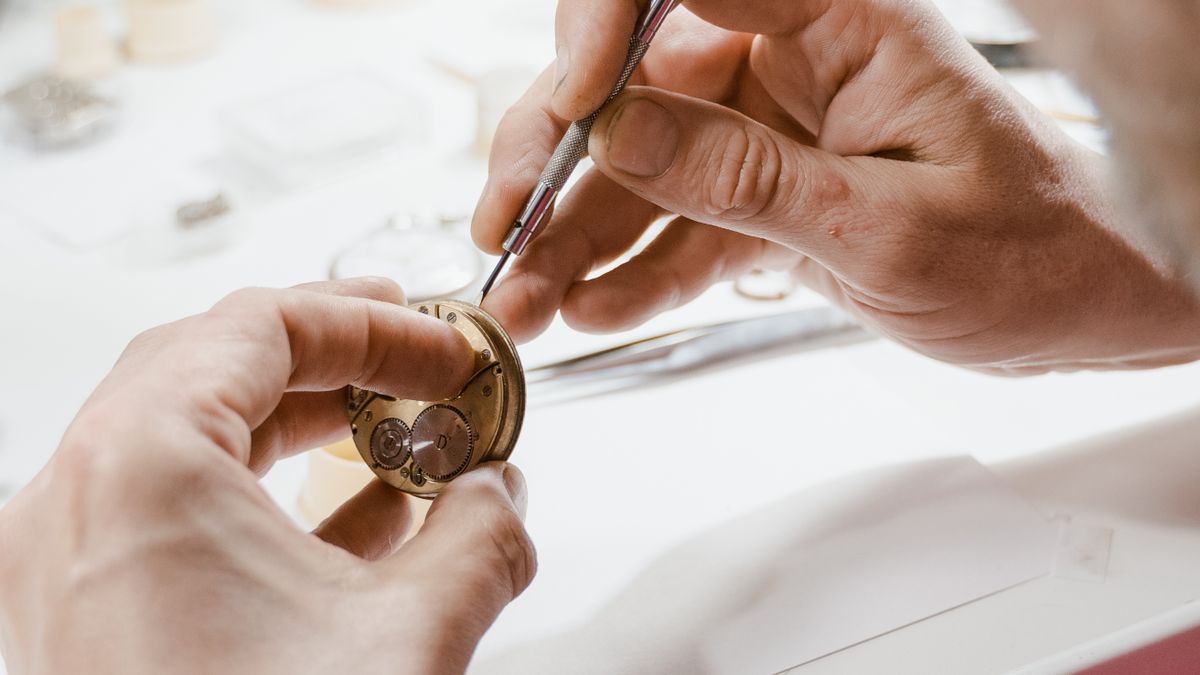
A simple, clearly documented micro-adjustment on a low-risk bracelet can be reasonable to perform yourself with the proper tool. A complex integrated bracelet, expensive watch, unknown connector type, damaged pin or missing small part makes professional sizing more attractive.
Ask the shop what they will adjust, whether removed links will be returned, and whether they can assess clasp condition at the same time. Keep the original parts. A bracelet sized for your present wrist may need to be lengthened later, and spare links can matter for resale or gifting.
It is also worth asking whether the watch has a known manufacturer-approved extension or half-link solution. A skilled watchmaker may identify a better option than simply removing one more full-size link.
A before-and-after fit checklist
If an item fails, do not call the adjustment complete. A securely sized bracelet is more important than shaving another millimeter from the circumference. For broader style considerations, read our watch buying guide; a watch should be comfortable and appropriate for actual use, not simply attractive in a photograph.
Fit, clothing and the broader wardrobe
A watch is worn beside cuffs, jackets and sometimes other accessories. A bulky case on a loose bracelet may catch a dress-shirt cuff or drift under a sleeve. A well-sized band often improves how the watch looks with casual and tailored outfits without changing the watch itself.
This is similar to other accessory decisions. Our guide on belts and shoes emphasizes proportion and context over rigid fashion formulas. An everyday watch should be chosen and fitted for the clothing you wear most, rather than for a theoretical occasion.
A versatile watch becomes more useful when you can rely on its fit all day. That is consistent with the logic of building a capsule wardrobe: prioritize pieces that function correctly instead of constantly rotating accessories because something feels wrong.
The bottom line
A loose metal watch bracelet should be assessed before it is shortened. Check the clasp, identify available micro-adjustments, inspect the link system, and decide whether link removal is really necessary. Keep parts organized, balance the clasp when possible and verify every connection afterward.
If the construction is unfamiliar or the watch is valuable, professional sizing is a sensible solution. A comfortable watch is not one that has been tightened as far as possible. It is one you can wear securely without spending the day thinking about it.
Frequently Asked Questions
How loose should a metal watch bracelet be?
Loose enough for comfortable movement but secure enough that the case does not repeatedly spin or slide onto the hand. Fit depends on wrist shape and watch design.
Can I tighten a watch bracelet without removing links?
Some clasps have tool-free or spring-bar micro-adjustments, or mesh bands have movable closures. Check the model’s instructions.
Should I remove links from both sides?
When appropriate, balanced removal can keep the clasp centered. Exact link distribution depends on the bracelet’s construction.
Are watch bracelet pins interchangeable?
Not necessarily. Different systems use friction pins, split pins, collars or screws, and a missing part can compromise retention.
What if my watch feels tight only in the afternoon?
Wrist size can vary. Check whether a clasp micro-adjustment can accommodate normal changes instead of making a permanently tight fit.
Is professional bracelet sizing worth paying for?
It can be sensible for valuable watches, unfamiliar or integrated bracelets, missing parts or when you do not have suitable tools.