A favorite baseball cap usually gets retired because it looks tired, not because the fabric has worn through. The sweatband darkens, dust gathers along the bill and the front panels lose their clean shape. Then someone throws it into a hot wash and discovers that the cap looks worse than before.
The safest way to clean a cap depends on what holds its shape. Some newer caps can tolerate gentle hand washing; older and structured caps may contain materials that should not be soaked. Embroidery, specialty finishes and colored panels add other risks. There is no single washing method that is safe for every cap.
Before adding water, inspect the label, brim and crown. Spot clean the dirtiest areas with a compatible mild cleaner, test for color transfer and avoid twisting the fabric. For caps approved for washing, use a controlled hand wash and reshape them while drying. A clean cap that still fits is the objective.
Can every baseball cap be washed?
Start by reading the manufacturer’s instructions. Our clothing-care symbols guide explains the limits printed on many fabric labels.
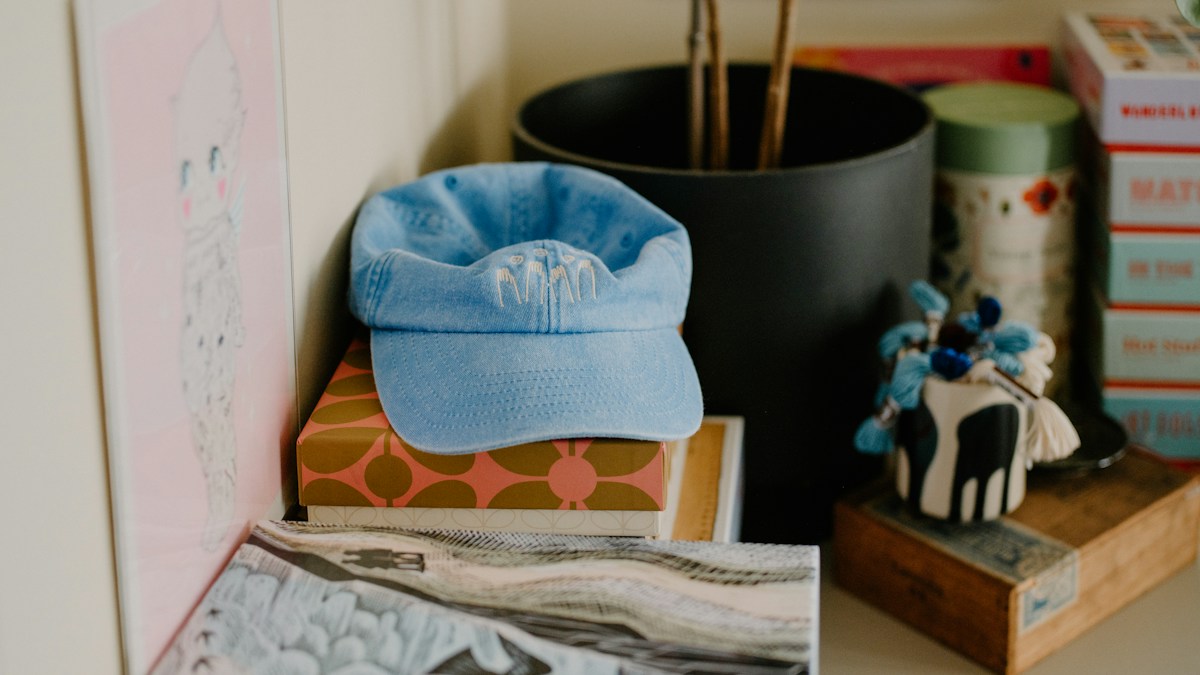
No. Care instructions vary with fabric, construction and age. Many modern cotton or synthetic caps can handle limited gentle washing, but a vintage cap or one with a paper or cardboard based brim can deform when soaked. Wool, leather details and glued decoration may also have different care requirements.
Read the care tag first. If the brand specifically prohibits immersion or recommends dry cleaning, that instruction matters more than a generic online tutorial. When the tag is missing, start conservatively with a small spot clean rather than assuming the cap was made like a modern washable sports hat.
The same caution applies to fitted caps, snapbacks and caps with rigid front panels. Their appearance depends on the shape of the crown and brim. Even if the fabric survives a wash, the structure may not.
| Cap construction | Recommended approach | Damage risk |
|---|---|---|
| Modern washable cotton or synthetic cap with maker permission | Gentle hand wash possible | Moderate risk |
| Vintage brim of unknown material | Spot clean only | High risk if soaked |
| Wool, leather trim or complex structure | Follow specialist maker instructions | Material specific risk |
How do you check whether the brim can get wet?
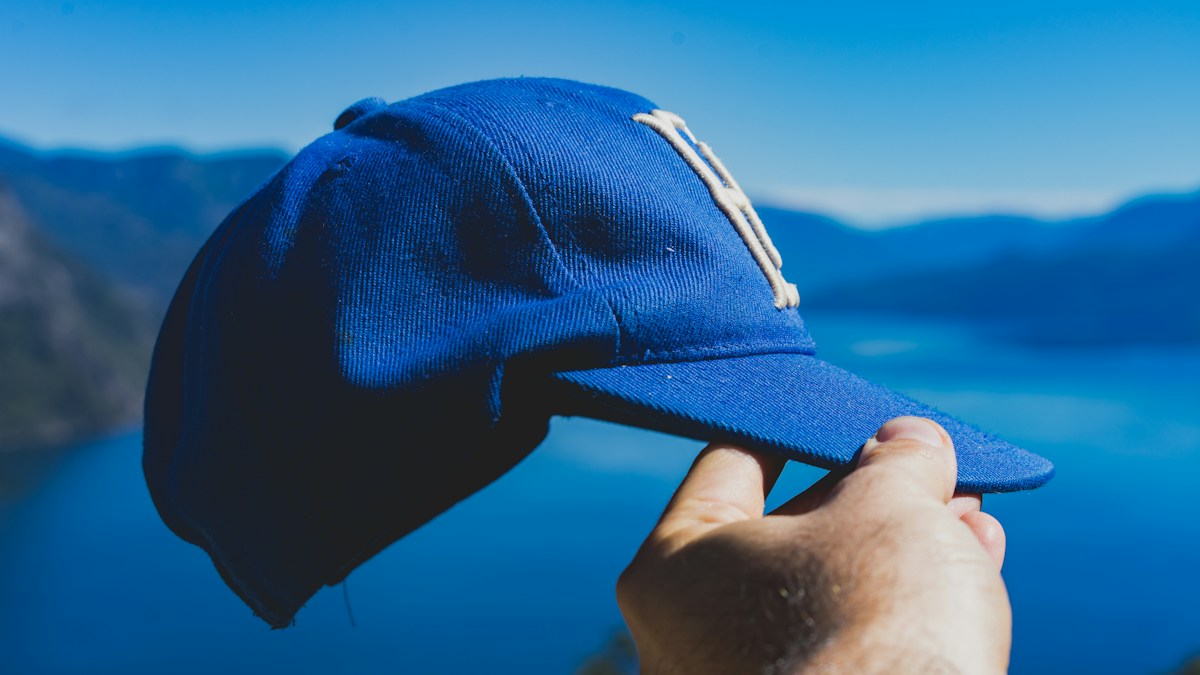
Feel the brim without bending it sharply. A rigid visor might contain plastic or another material, but you cannot always identify the internal support by touch alone. Older caps are more likely to have moisture sensitive inserts, and a brim that is already cracked or uneven deserves extra care.
Look for wear along the seam where the visor meets the crown. If water could enter damaged stitching or exposed layers, soaking may separate them further. A visibly warped brim is not a good candidate for being squeezed back into position during a wash.
When you cannot establish the material, treat the visor as a part to protect. Clean surface spots with as little moisture as reasonably possible and blot immediately. It is better to leave a faint stain than destroy the contour that makes the cap wearable.
What cleaning supplies should you use?

Gather cool or lukewarm water if permitted by the care label, a small amount of gentle suitable detergent, a clean soft cloth and a soft brush for stubborn surface soil. Keep an absorbent towel nearby and find an object that can support the crown while drying without stretching it.
Avoid bleach, harsh stain removers and strongly scented cleaners unless the manufacturer approves them for the specific material. Colored embroidery may not react like the fabric beneath it, so a product that leaves the crown unchanged can still fade the stitching.
Use a clean basin rather than a dirty sink. Keep separate towels for light and dark caps if dye transfer is a possibility. Cleaning one cap at a time makes it easier to see how the fabric responds.
How to spot clean a sweaty cap
Start with the sweatband because that is where skin oils and perspiration often concentrate. Dampen a cloth with a little compatible cleaning solution and dab rather than scrub. If the fabric seems colorfast and robust, you can gently work on the surface with a soft brush, taking care not to soak the supporting material behind it.
Treat the exterior spots individually. Lift dried dust before using moisture so you do not spread dirt into a larger patch. Work from the edge of a stain toward the center and blot with a separate cloth lightly dampened with clean water when the care instructions permit rinsing.
Do not flood the headband in an effort to remove every trace of discoloration. Old sweat marks may have changed the fibers permanently. The priority is to remove dirt and reduce odor while keeping the material stable and comfortable.
How to hand wash a washable baseball cap
Only hand wash a cap after confirming that the fabric, bill and structure can tolerate the process. Fill a basin with water at the temperature recommended by the label and mix in a small amount of suitable mild detergent. Immerse the washable part gently, allowing short contact rather than prolonged soaking unless instructions specifically permit it.
Use your fingers or a soft cloth to loosen dirt. Keep twisting and vigorous agitation to a minimum. Pay extra attention to interior sweatband areas, but avoid pressing the crown into itself or sharply folding the bill. A cap is shaped headwear, not a loose cotton T shirt.
Rinse gently in clean water as directed, supporting the brim and crown as you lift it out. Do not wring the cap to expel water. If a cleaner leaves foam behind, keep rinsing with controlled water rather than increasing pressure.
Should you use a washing machine?
Machine washing is not the default choice for a cap you care about. Agitation can bend the brim, distort the crown and abrade embroidery. Hot water and spin cycles create additional problems for some fabrics. A plastic frame sold to protect the shape does not override the manufacturer’s care instructions.
If a specific cap maker explicitly permits machine washing, follow its detailed settings and protection advice. Do not assume that permission applies to every cap with a similar appearance. Even two caps sold in the same store may have different internal construction.
When in doubt, gentle spot cleaning or approved hand washing gives you more control. You can see dye transfer or changes in shape before the entire hat has gone through a cycle.
Can you put a baseball cap in the dishwasher?
Avoid that shortcut. Dishwashers are designed for dishes, not structured textiles. High heat, concentrated cleaning products and jets of water may be unsuitable for the brim, sweatband and adhesive components. The method also makes it difficult to isolate a small area that needs attention.
A dishwasher may sound attractive because it reduces manual work, but convenience is a poor trade if the crown collapses or the fabric fades. Food residue and cleaners are another unnecessary source of contamination.
A controlled wash in a clean basin gives better feedback. You can stop at the first sign of discoloration, adjust your pressure and preserve the bill without subjecting it to a full mechanical cycle.
How do you dry a baseball cap without deforming it?

First blot gently with a clean towel. Do not twist the crown or squeeze the bill into a new curve. Restore the panels with your hands while the material is damp and rest the cap on a clean support that approximates its original shape. A suitable bowl, clean towel form or hat stand may work if it does not force the fabric wider.
Let it air dry in a ventilated place away from direct high heat. Avoid machine dryers and radiators unless the maker specifically approves them. Heat can affect inserts, adhesives and dyes, and aggressive drying can lock in a shape you did not intend.
Check how the front panels and brim sit before they dry completely. Small adjustments while supported are safer than bending a hardened or misshapen brim after the fact. Give the sweatband enough time to dry before wearing the cap again.
What if the crown or brim already looks misshapen?
First identify whether the problem is a minor fold or a damaged support. A cloth panel that dried in a crease may respond to careful reshaping. An internal insert that has softened, delaminated or cracked may not. Pushing harder can worsen the damage.
Do not use an iron directly on unknown brim material or place the cap over a boiling kettle. Excess moisture and heat can create burns, color changes or structural issues. Specialist hat care or replacement may be more sensible for a heavily warped cap.
For an expensive collectible cap, ask the manufacturer or a professional cleaner familiar with headwear before trying another wash. Uncertainty is a reason to be cautious, not to try increasingly aggressive techniques.
How often should you wash your cap?
As with choosing when to wash jeans, base cleaning frequency on actual wear and soil rather than a fixed calendar.
Wash when dirt, odor or sweat buildup warrants it, not by a fixed calendar rule. A cap worn for sweaty outdoor work will need more attention than one worn for occasional errands. Between washes, allow the sweatband to dry and remove surface dust with a clean brush or cloth.
Rotating caps can reduce the amount of constant wear on one favorite piece. Store them where the crown is supported rather than crushed under shoes or bags. If you frequently use a cap for exercise, keeping a washable performance style in that role may protect more delicate everyday headwear.
The broader idea is the same as with [washing jeans thoughtfully](https://modernmenhq.com/style/how-often-should-you-wash-jeans/) or [washing a wool sweater](https://modernmenhq.com/style/wash-wool-sweater-without-shrinking/): clean when needed and respect the material instead of treating every garment identically.
What cleaning mistakes matter most?
Similar restraint helps when cleaning white sneakers, where the material and construction matter more than an aggressive cleaning hack.
The biggest mistakes are assuming every brim is waterproof, using too much detergent, rubbing embroidery aggressively and drying a cap without support. These errors can damage the shape even when they remove the stain. Starting with a stronger product than necessary creates risk before you know whether simple cleaning would have worked.
Do not use a stiff brush on worn cotton or wool simply because a tutorial shows vigorous scrubbing. Be careful with stain pens and bleaching agents near contrasting panels, since you may create a permanent pale patch more noticeable than the original mark.
If a cap is deeply stained and structurally fragile, accept that some discoloration may remain. Consistent, understated care generally keeps a cap wearable longer than occasional extreme cleaning sessions. For another practical accessory care example, see [cleaning white sneakers without damaging them](https://modernmenhq.com/style/how-to-clean-white-sneakers/).
Frequently Asked Questions
Can I soak my baseball cap overnight?
Avoid long soaks unless the manufacturer specifically recommends them. Prolonged water exposure can harm certain brims, stiffeners and dyes.
Can vinegar remove sweat stains from a hat?
Do not apply household acids by default. Check care instructions and use a compatible cleaner tested on a hidden area first.
How do I dry a fitted baseball cap?
Blot gently, support its natural crown shape and air dry in a ventilated place away from direct high heat.
Can I wash a vintage baseball cap?
Vintage caps may contain moisture sensitive inserts. Start with conservative spot care and consult a specialist if the construction is unclear.
Why does my cap smell after washing?
Residual moisture or cleaner may remain in the sweatband. Ensure adequate rinsing where permitted and thorough air drying before use.
The bottom line
A baseball cap is a shaped accessory, not a loose rag. Protect the bill and crown first, remove the dirt second and take every drying step with the original fit in mind. The easiest cap to care for is one whose construction you understand before the first wash.