A fly that creeps open makes otherwise good trousers awkward to wear. It is not always necessary to replace the entire zipper, but you need to distinguish a worn slider, damaged teeth, and a lock that no longer holds. The right repair depends on the hardware and whether the fabric around it is sound.
Do not squeeze a zipper slider aggressively with pliers. Excess pressure can break the slider or distort the teeth and turn a modest repair into a replacement. If you are deciding whether to repair or replace the pants, our modern wardrobe guide offers a broader approach to keeping reliable pieces in rotation.
The First Decision
- Why the zipper moves
- First inspect the teeth
- Test the lock gently
Begin with the fly flat and the waistband unfastened. Move the slider slowly and check the alignment of the teeth, the fabric tape and the locking pull. Then fasten the pants in their ordinary position to see whether excess tension is contributing. These two checks separate a mechanical closure defect from a fit problem before you buy a replacement zipper.
Why the zipper moves
| Question | Practical answer |
|---|---|
| Why the zipper moves | A zipper is held closed by the alignment of its teeth and the slider mechanism. |
| First inspect the teeth | Lay the pants flat and check both sides of the chain. |
| Test the lock gently | Zip up fully and lower the pull tab. |
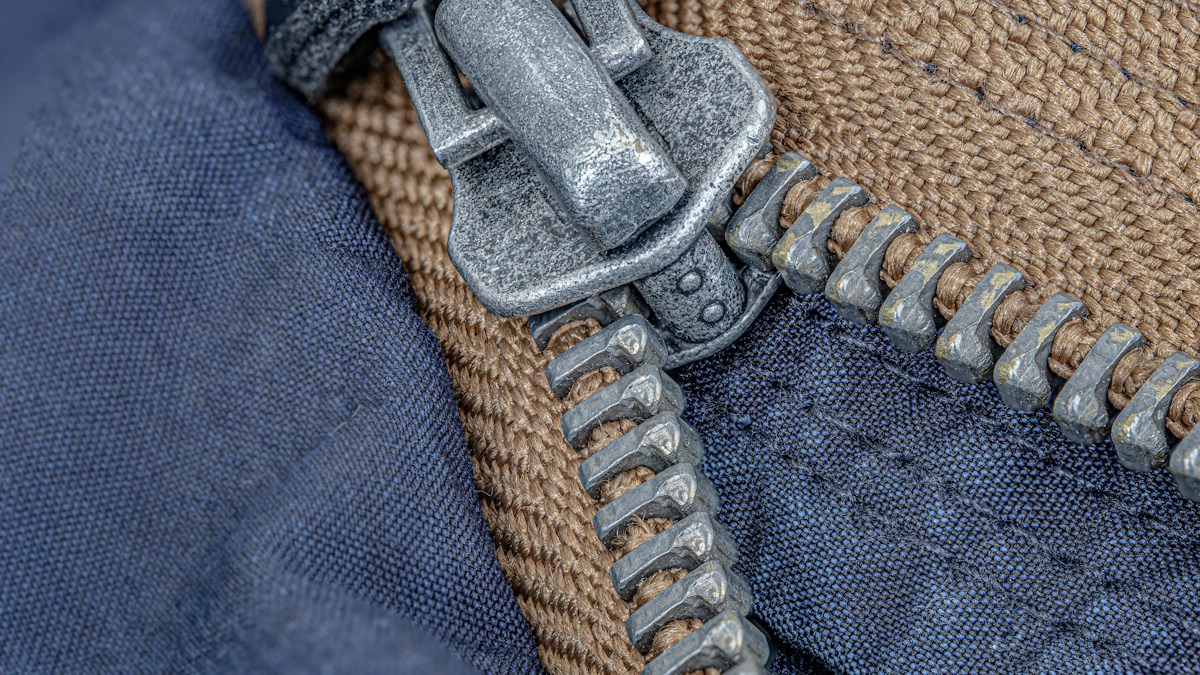
A zipper is held closed by the alignment of its teeth and the slider mechanism. Some pants sliders lock when the pull tab is down. If that lock is worn or a slider has widened, the fly may slide despite intact teeth.
A locking slider should hold its position when the pull lies flat. If the fly opens despite an intact row of teeth, inspect the slider rather than repeatedly tugging at the fabric. Check whether the waistband is pulling tightly across the body too. Excessive strain may make a working closure appear defective.
First inspect the teeth
Lay the pants flat and check both sides of the chain. Bent, missing or badly damaged teeth are different from a slider problem and may call for professional replacement. Check that fabric is not trapped in the tracks.
Run your fingers along the closed fly and look for bends, gaps or snagged thread without forcing the metal parts. Missing teeth or damaged zipper tape are not corrected by replacing the pull tab. If a small tooth has sharp edges or the tape is tearing away from the trousers, a tailor should inspect the entire closure. If the fly is being strained by tight fabric, see the chinos fit guide before assuming the zipper hardware is defective.
Test the lock gently
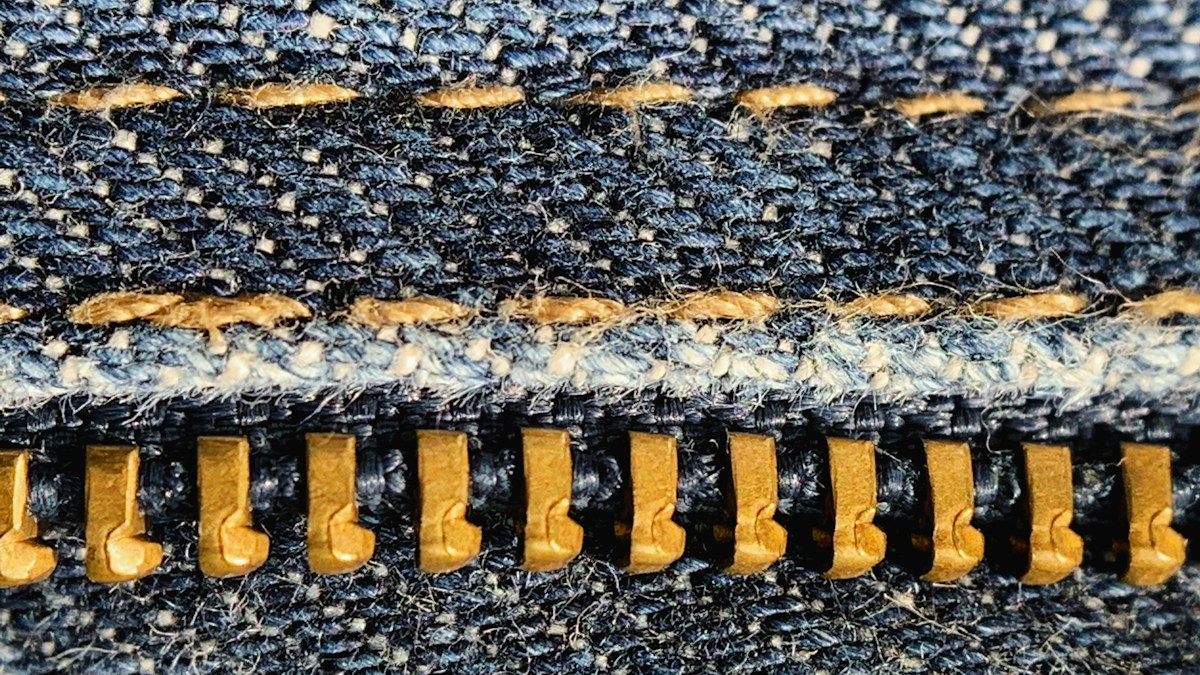
Zip up fully and lower the pull tab. Check whether the slider stays in place without force. Do not perform repeated hard pulls on a delicate fly; the test should reveal looseness, not create it.
Test the lock on a flat garment first, then while wearing the trousers at their normal waist position. A slider that holds flat but slips under tension may indicate a fit problem. If it fails in both situations, the locking mechanism may have worn. Do not repeat forceful tests that enlarge the damage.
Temporary fix while traveling
A discreet loop through the pull tab and waistband button may hold a functioning zipper temporarily. It is a stopgap and should not replace fixing a damaged mechanism. Avoid safety pins near skin and thin fabric. Trousers that fit correctly also need the right belt setup; our men’s belt width guide covers the choice for chinos and dress trousers.
A short-term ring or loop can sometimes keep a zipper pull near the waistband button during travel. It should not cause skin irritation, obstruct quick removal of the trousers or pull the fly out of line. Remove or correct this stopgap as soon as practical. It does not replace a damaged lock.
When to replace a slider
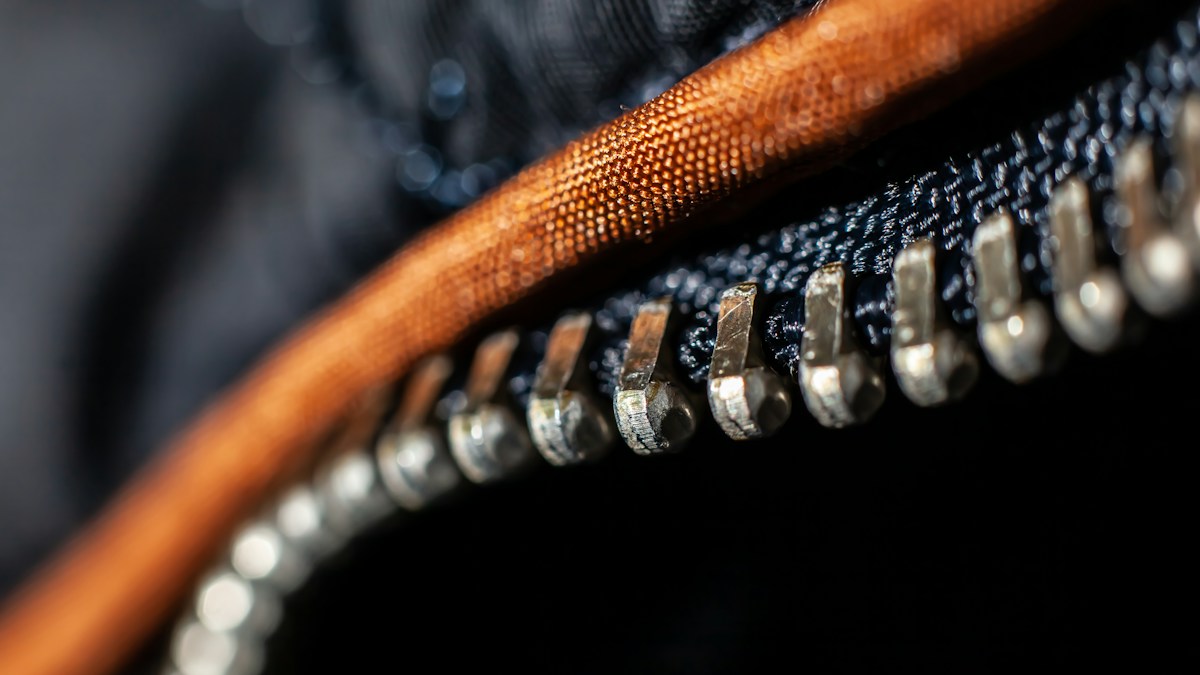
If the teeth are intact but the slider no longer holds, a compatible slider may solve it. Size and type matter. Generic replacement parts are not interchangeable, even when two zippers look similar.
Choose a replacement slider by type and size, not just by appearance. Two sliders can have similar finishes but different internal tracks that do not fit the same teeth. If you do not know the zipper series, a tailor can identify compatible hardware. Installing an incompatible slider risks damaging a chain that was originally sound.
Why pliers are risky
Some tutorials suggest compressing the slider, but it is easy to crush it unevenly and create sharp edges. A careful specialist repair is preferable when the hardware is delicate or the garment valuable.
Some online fixes suggest pinching the slider with pliers. The difficulty is controlling pressure across very small metal parts. Squeezing unevenly may crack a slider, deform the tracks or create a sharp edge near the fabric. With tailored trousers, replacement of the correct slider is usually a cleaner repair decision.
When a zipper needs full replacement
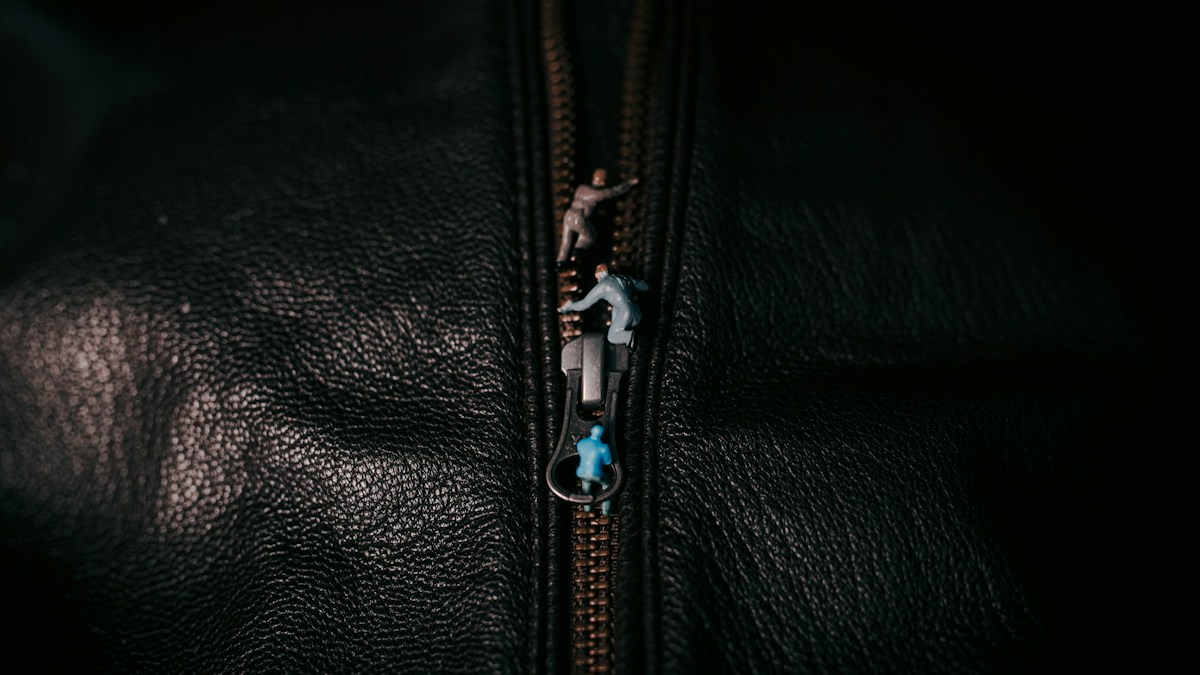
Broken stops, missing teeth, torn tape or distorted fly stitching can require a new zipper. That is a tailoring task involving the placket, not just the slider.
When zipper teeth are missing, stops are broken or the fabric tape has torn, replacing only the slider is unlikely to last. A full replacement requires access to the fly construction and sometimes the waistband seam. Ask whether the new zipper will match the original size and finish, especially on formal pants.
How a tailor assesses the repair
Bring the pants clean and describe whether the fly creeps down or separates. A tailor can evaluate hardware, stitching and fabric strength and quote slider replacement versus full zipper work.
Bring trousers clean and dry when asking a tailor for a quote. Explain whether the zipper moves down, separates after closing or jams at a particular point. Those symptoms help distinguish a worn lock from faulty alignment. Also mention any recent alterations at the waist because tension can contribute to repeated failure.
Preventing repeat problems
Close and open zippers gently, keep fabric out of the teeth and do not force a jammed slider. Heavy tension from an incorrect trouser fit can also strain the fly, making the underlying fit worth checking.
Treat a zipper gently during wear and washing. Fasten and unfasten it without yanking at an angle, clear trapped fabric before pulling and follow care instructions for laundering trousers with metal closures. If the waist is too small, consider fit adjustment rather than letting a new slider carry the same excessive load.
How to Tell a Slider Problem From a Fit Problem
A fly can move because its slider no longer locks, but strain across the front of trousers can also put the zipper under constant tension. Put the garment on, fasten the waistband and stand normally. If the fly is being pulled apart by tight fabric, replacing a perfectly good slider may not solve the underlying issue. A tailor can inspect the waist, seat and rise before deciding whether hardware repair or fit adjustment offers better value.
What a Temporary Fix Can and Cannot Do
A temporary loop that keeps the pull tab near the waistband button may get you through a day, but it does not rebuild worn zipper teeth. Check that the loop does not dig into skin, prevent quick removal of trousers or catch on neighboring fabric. Remove it before laundering if it was not designed to remain in place. The fact that a stopgap holds for a few hours is not proof that the closure is structurally sound.
When to Replace the Entire Zipper
Look at the whole fly, not simply its pull. Missing teeth, tearing where the zipper tape meets the trousers, a damaged bottom stop or repeated separation after the slider closes are signs that swapping the slider alone may not work. Replacement involves stitching into the fly construction and sometimes the waistband. For tailored pants, a competent repairer can preserve the original shape more reliably than an improvised repair with pliers.
A Practical Checklist to Finish the Job
Before wearing the trousers again, zip and unzip the fly without forcing the slider. Make sure it stays closed when the pull is lowered and when you stand or sit. If the fly separates or the tape is fraying, do not rely on a loop around the waistband button as a permanent fix.
A tailor can replace a slider, resecure a stop or change the full zipper, depending on where damage lies. A broken zipper that pulls open under ordinary movement is not simply a cosmetic issue. Get a repair quote before altering the fly construction yourself, especially for formal trousers.
Frequently Asked Questions
Can I fix a zipper without replacing it?
Possibly, if the teeth and zipper tape are sound and only the slider is worn. Identify the zipper type before replacing parts..
Is a key ring a permanent zipper fix?
No. A loop at the waistband can be a short temporary fix, but it does not restore the zipper’s locking mechanism..
Why does a zipper slide down when the tab is lowered?
A worn slider lock, distorted teeth or pressure from tight trousers can contribute. Test the closure and inspect the fit..
Can missing zipper teeth be repaired?
Missing or broken teeth commonly require replacement of the zipper rather than squeezing the existing slider..
Should a tailor replace only the slider?
Often. A tailor can inspect the slider and teeth and replace the appropriate part without rebuilding the whole fly if the surrounding structure is intact..
The Bottom Line
A fly that creeps open makes otherwise good trousers awkward to wear. Careful inspection and ordinary maintenance will solve more daily problems than extreme shortcuts. Work from the actual source of the problem, respect the object’s construction and keep the process simple enough to repeat.