A useful grooming routine does not require a shelf full of products. Put the daily essentials where you actually use them, then reserve less frequent tasks such as trimming nails for a predictable weekly check. It requires a small number of habits done consistently, with enough attention to skin, hair, facial hair, teeth, nails, and scent that no single neglected detail undermines the rest.
The mistake is treating grooming as a collection of products. It works better as a maintenance system. Some things happen every morning. Some happen at night. Others happen once a week or once every few weeks. Once that rhythm is clear, grooming stops feeling like extra work.
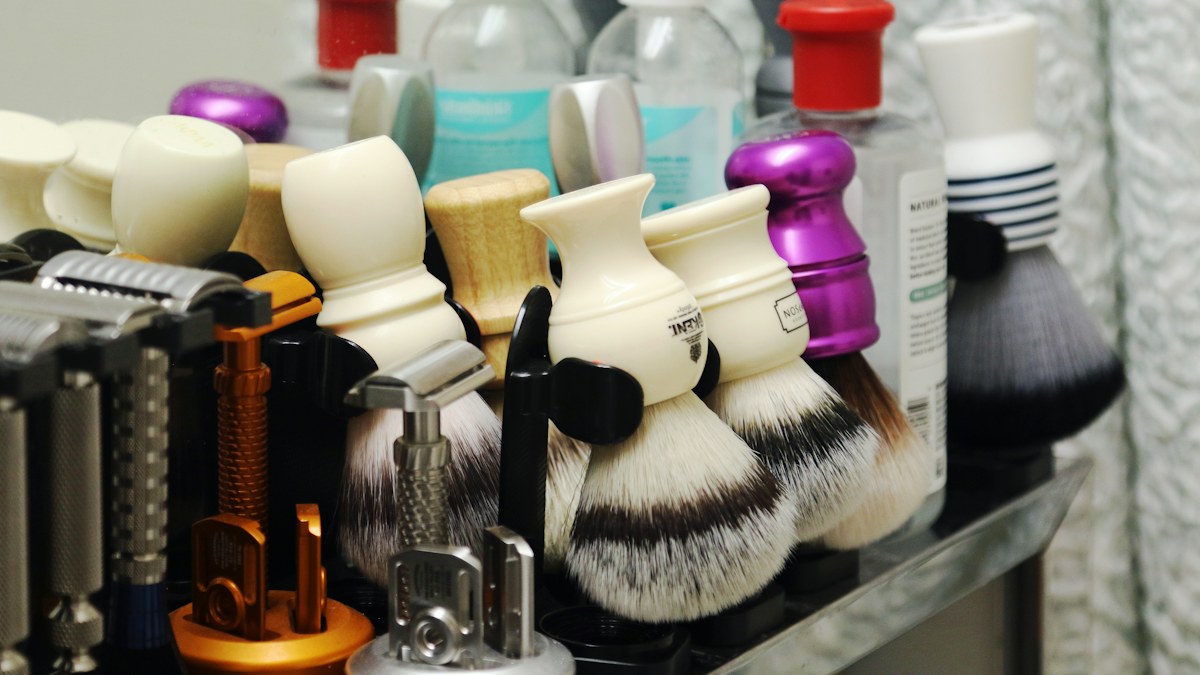
A Simple Men’s Grooming Schedule
If you want a workable starting point, organize grooming by when it needs attention. This overview is a checklist, not a requirement to buy more products.
| When | Core actions | Adjust for your needs |
|---|---|---|
| Morning | Brush teeth, check face and hair, moisturize as needed, and use suitable sun protection. | Shave or manage facial hair on the days your skin tolerates it. |
| Evening | Clean the face when needed, brush teeth, clean between teeth, and check for irritation. | Keep prescribed or active skin treatments to their recommended routine. |
| Weekly | Check nails, refresh grooming tools, wash brushes, and notice product buildup. | Frequency varies with hair texture, sweat, product use, and lifestyle. |
| As needed | Maintain haircut shape, trim beard edges, replace dull blades, and reassess products that irritate. | Don’t apply one fixed barber or blade schedule to everyone. |
What does a complete men’s grooming routine actually include?
At minimum, it includes skin care, hair care, facial hair or shaving, oral care, nails, body grooming, and scent. Not every man needs a complicated version of each category. He does need a baseline.
The purpose is not perfection. It is consistency. Clean skin, controlled facial hair, healthy teeth, trimmed nails, fresh clothing, and a haircut that still has shape will do more for how a man presents than a cabinet full of expensive products used at random.
What should a man do every morning?
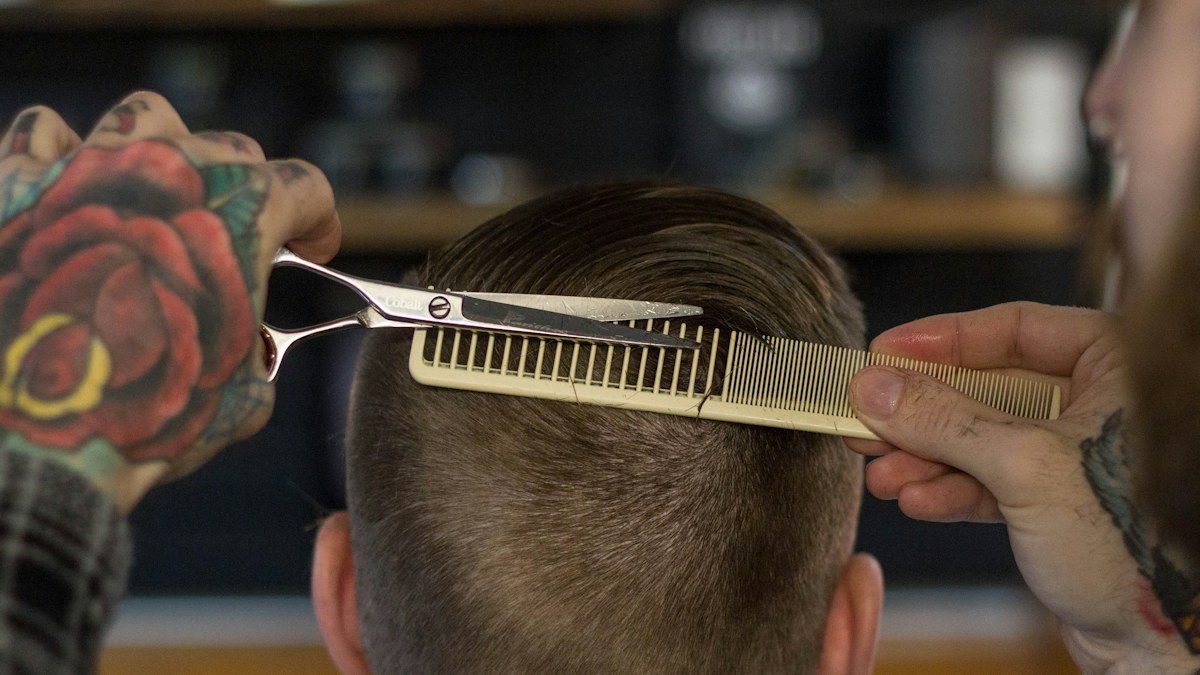
Start with the face. If your skin is oily or you wake up feeling greasy, use a gentle cleanser. If your skin is dry and comfortable, a water rinse may be enough before the rest of the routine. See our guide to how often men should wash their face if you are unsure whether daily cleansing suits your skin.
Follow with moisturizer suited to your skin. Then use broad spectrum sunscreen. The American Academy of Dermatology recommends a broad spectrum, water resistant sunscreen with SPF 30 or higher. For most men, making this a fixed final step in the morning is easier than trying to remember it only on visibly sunny days.
Brush your teeth for two minutes with fluoride toothpaste. Clean the tongue. Use deodorant or antiperspirant according to what you actually need. Style the hair with the smallest amount of product that gives the result you want.
If you wear fragrance, apply enough that someone close to you can notice it, not enough that the room announces you before you arrive.
What should the nighttime routine look like?
Night is when you remove the day rather than prepare for it.
Wash the face to remove sweat, sunscreen, oil, and environmental residue. Apply moisturizer afterward. If you use an active treatment such as a retinoid, follow the directions for that product and introduce it gradually rather than assuming more frequent use will produce faster results.
Brush and clean between the teeth. The exact tool can vary. Floss, interdental brushes, and water flossers can all have a role depending on your teeth and advice from your dentist. What matters is that brushing alone should not be treated as the entire routine.
A short evening routine also gives you a chance to notice problems early: persistent irritation, changing moles, gum bleeding, unusual hair loss, or skin changes that deserve professional attention rather than another product.
How should a man shave without irritating his skin?
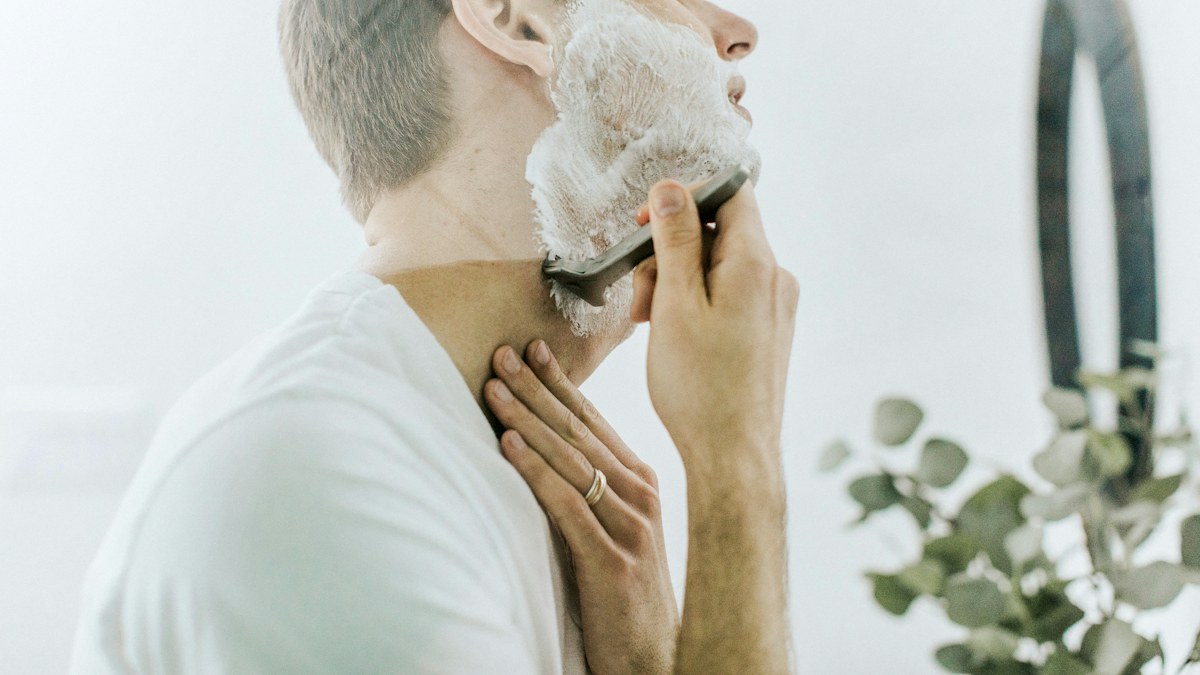
Preparation matters more than force.
Shave after warm water has softened the hair. Use a lubricating shave product. Work with the direction of hair growth when irritation or ingrown hairs are a problem. Avoid pressing the razor into the skin or repeating passes over the same spot simply because the first pass was not perfectly close.
A sharp blade matters. A dull blade encourages pressure and repeated strokes. If you use a disposable or cartridge razor, replace it before it starts tugging. Our razor blade replacement guide explains the practical signs to look for.
After shaving, rinse gently and moisturize. If your aftershave burns aggressively, that does not mean it is working better. Fragrance and alcohol can irritate already stressed skin, especially for men prone to razor bumps. If irritation keeps returning, start with our razor-bump prevention guide and seek a dermatologist’s advice for persistent painful lesions or scarring.
For a deeper comparison of tools, see our guide to electric razors versus blade razors.
What changes if you wear a beard?
The skin underneath still needs attention.
Wash the beard often enough to remove sweat, oil, food residue, and styling product, but not so aggressively that the skin underneath becomes dry and irritated. After washing, use a moisturizer or beard oil if dryness is a problem. Apply it to the skin as well as the hair.
Keep the neckline intentional. A beard can be full without looking uncontrolled. The cheek line, mustache, and neck should look like choices rather than areas you forgot to trim. Our beard neckline trimming guide shows the practical decisions without demanding a sharp sculpted line.
The correct length depends on your face, hair density, job, and preference. Maintenance matters more than copying a particular beard style. Our guide to 20 beard styles for men can help you compare shapes that fit your growth pattern. If you trim at home, keep the tool in good condition by learning how to clean beard trimmer blades without damaging them.
How should men think about hair care?
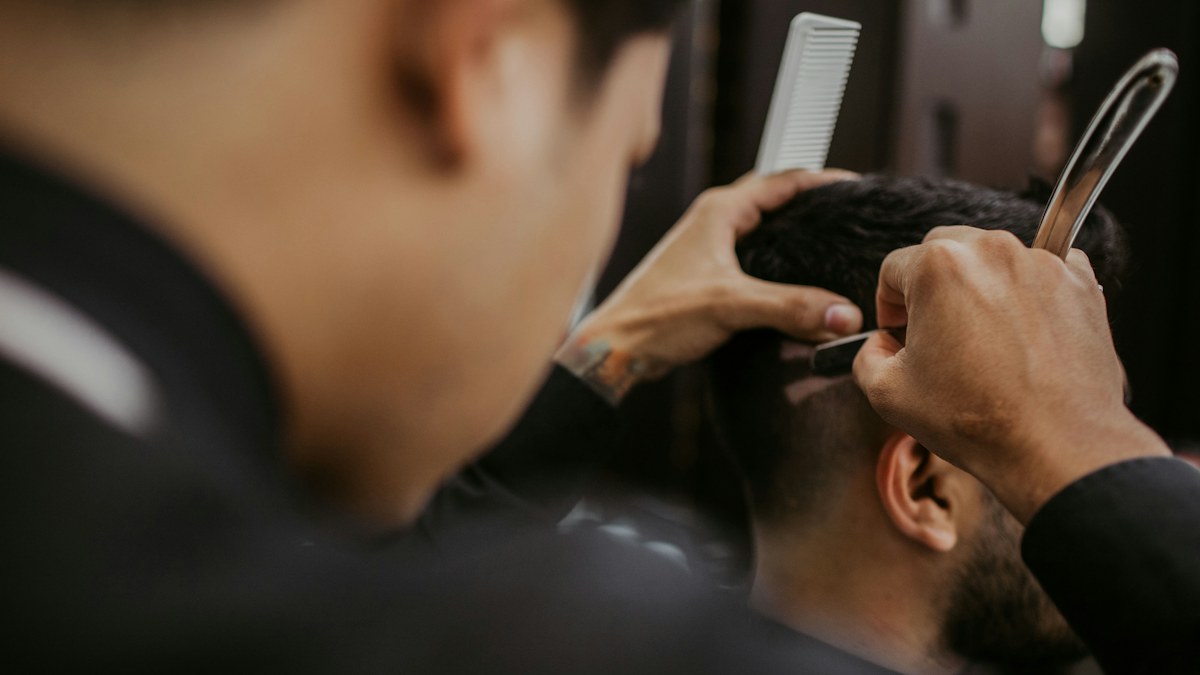
Start with scalp condition, not hairstyle.
If the scalp is comfortable and the hair is not oily, you may not need to shampoo every day. If you train hard, sweat heavily, use significant styling product, or have an oily scalp, you may need to wash more often. There is no useful universal schedule that ignores hair type and lifestyle. See how often men should wash their hair to work through those tradeoffs.
Conditioner is valuable when the hair feels dry, rough, or difficult to manage. Apply it mainly through the hair rather than assuming the scalp needs a heavy layer.
Choose styling products by finish and hold. Creams and light pastes usually give a softer result. Clays and matte products reduce shine. Pomades and gels produce more control and definition. Use less than you think, then add more if necessary.
A haircut also needs a maintenance interval. Short structured cuts lose their shape faster than longer textured styles. Rather than following a rigid number of weeks, book the next cut when the silhouette starts to collapse. If you are deciding what shape actually suits you, our guide to the 27 men’s hairstyles and their maintenance needs gives you a practical starting point.
What skin care products are actually necessary?
For most men, the essential routine is simple: cleanser when needed, moisturizer, and sunscreen in the morning. Everything else should solve a specific problem.
Acne, pigmentation, persistent redness, eczema, severe dryness, or signs of sun damage may justify additional treatments. That is where active ingredients and professional dermatology advice become more useful than adding products because they are popular.
Do not build a routine around ingredient collecting. Build it around outcomes. If the skin is comfortable, protected, and stable, the routine is doing its job.
How often should a man trim his nails?
Often enough that they stay clean, even, and short without becoming painful.
For most men that means checking them weekly. Cut fingernails straight across with a slight curve at the corners. Toenails generally benefit from a straighter cut to reduce the chance of ingrown edges.
Do not forget the skin around them. Dry cracked cuticles and rough hands are visible details. Hand cream is not complicated, and men who wash their hands frequently or work with tools often benefit from using it at night.
What about body hair?
There is no single correct amount of body hair. The standard is control, comfort, and hygiene.
Trim areas where length becomes uncomfortable, traps excessive sweat, or interferes with the look you prefer. Use dedicated tools when possible, especially for sensitive areas. Rushing with the same unclean blade used everywhere else is an easy way to create irritation.
Chest, back, underarm, and intimate grooming should be driven by your own preference and comfort, not by the assumption that hair must be completely removed to count as groomed.
Keep the Grooming Routine Smaller Than the Product Collection
A grooming routine is easier to follow when each product has a clear job. A second fragrance, an extra styling cream or a larger tool kit adds value only when it solves something the basic routine does not. More bottles on the shelf are not evidence that you are taking better care of yourself.
When trying an unfamiliar fragrance, use a sample first and wear it through a normal day. If it fits work, leisure and your comfort around other people, you may not need separate bottles for every occasion. Store products correctly and replace them based on actual use instead of collecting overlapping variants.
Review your shelf when you review the routine. Finish what you use, discard products that are no longer appropriate under their labels, and avoid making the morning sequence longer without a benefit you can notice. Consistency matters more than the number of steps.
Keep the Routine Smaller Than the Product Collection
A repeatable grooming routine is built around products with clear jobs. Deodorant, basic skin care and a familiar everyday fragrance may already cover what you need. Before buying another scent because its packaging promises a different mood, decide whether it solves a real need. A small sample can help you test preferences without collecting full bottles. A useful routine is one you can maintain comfortably, not one with the largest number of products.
How should fragrance fit into grooming?

Fruity floral eau de parfum
5 SENS Life of the Party
The merchant lists blackcurrant, peach blossom, saffron, midnight jasmine and ambrox. This is an optional scent to sample for social occasions, not a replacement for basic hygiene or an automatic daily-wear choice.
If your routine is not already consistent, spend attention on skin, hair and oral care first.
Fragrance should be discovered at close range, not broadcast.
Apply it to clean skin, usually at a few pulse points such as the neck or wrists. Start conservatively. Heat, climate, fragrance strength, and skin chemistry all change projection.
The more important rule is that scent cannot cover poor hygiene. Clean skin, clean clothing, oral care, and deodorant come first. Fragrance is the finishing detail.
Keep the Tools Clean Before Adding More Products
A grooming routine depends as much on the condition of your tools as on the products beside them. A razor that pulls, a clogged trimmer or a dirty comb can make a simple step unpleasant. Follow the manufacturer’s cleaning instructions after use, allow washable tools to dry properly and store blades safely so they do not damage other items in the drawer.
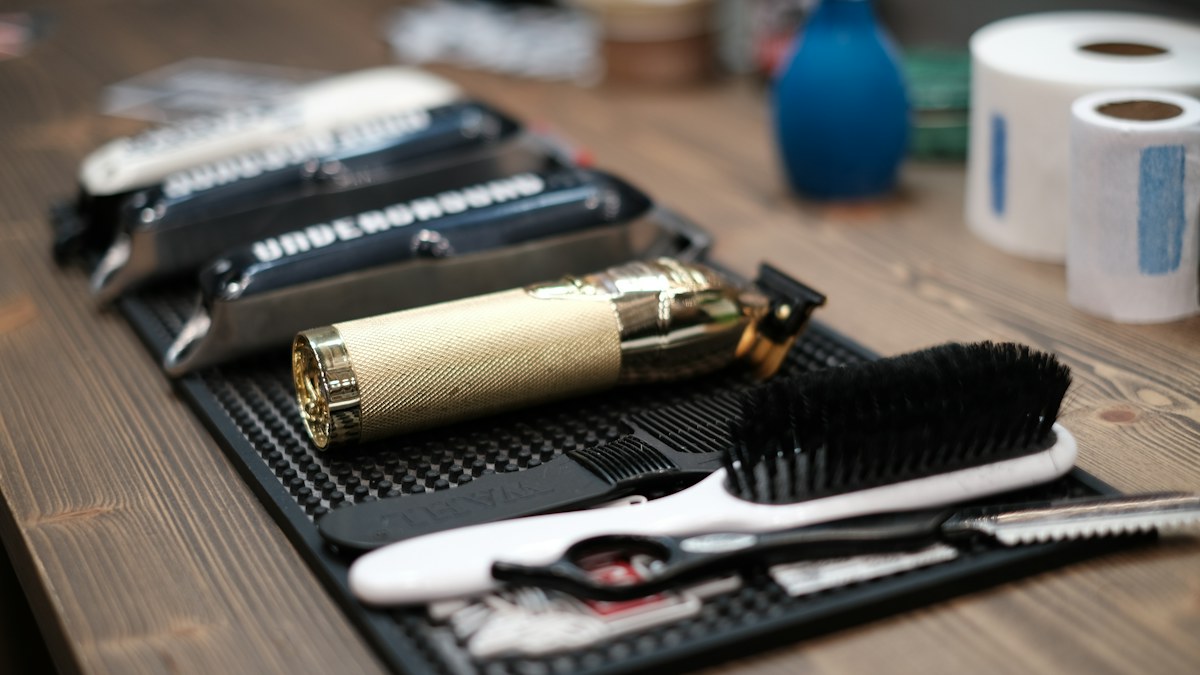
Different tools need different care. Electric trimmers may have detachable guards or heads with specific cleaning rules, and not every powered component can be rinsed under water. A beard comb should be cleared of trapped hair and product residue, while a manual razor blade should be replaced when it no longer shaves comfortably. There is no single replacement schedule that works for every tool or user.
Keep a small, reliable set of tools where you can reach it. Buying another serum or grooming accessory is unlikely to improve a routine if the basic razor, brush and trimmer are poorly maintained. The easiest system is the one you can repeat without turning your bathroom into a collection of unused products.
What should happen every week?
A weekly grooming reset prevents small neglected details from accumulating.
Trim nails. Check beard lines or clean shaven areas. Clean grooming tools. Replace or wash pillowcases if skin or hair products build up quickly. Inspect eyebrows and remove obvious stray hairs rather than trying to redesign their natural shape. Check whether hair styling tools and razors need cleaning.
This is also a good time to look at the products you are actually using. If something has sat untouched for months, it probably does not belong in the routine.
Tool care is part of the weekly routine: clean your hairbrush without damaging the bristles. For skin protection, our sunscreen guide explains SPF and application amount; if shaving and exfoliation compete in your routine, check when to exfoliate around shaving.
What should happen every month?
Review the things that change more slowly.
Does the haircut still suit the way your hair is behaving? Does your beard length still work? Are razor cartridges, toothbrush heads, or other tools overdue for replacement? Are you running low on the few products you actually rely on?
The point is not to create another checklist for its own sake. Monthly maintenance stops you from reaching the morning of an important meeting and realizing every small grooming task was postponed at once.
How do you build a routine that actually sticks?
Attach grooming to habits that already happen.
Keep morning products together. Keep nighttime products together. Store the razor where you actually shave. Keep nail tools somewhere visible enough that you remember them before they become urgent.
Reduce the number of decisions. If five products solve your real needs, do not keep fifteen products in active rotation. A routine becomes reliable when it is simple enough to repeat on an ordinary Tuesday, not only when you have extra time.
This is the same discipline behind any useful system. The best routine is not the most elaborate one. It is the one that continues without requiring motivation every day.
When should grooming become a medical question?
When the issue persists, changes quickly, becomes painful, or does not respond to basic care.
Severe acne, repeated infected ingrown hairs, sudden hair loss, persistent scalp inflammation, changing moles, unusual rashes, nail changes, or bleeding gums deserve professional assessment. Grooming should support health, not become a reason to delay medical or dental care.
The baseline worth keeping
A strong men’s grooming routine is not complicated. Protect the skin. Keep facial hair intentional. Maintain the haircut. Take oral care seriously. Keep nails and body grooming under control. Smell clean before you try to smell interesting.
Do those things consistently and the routine becomes almost invisible. That is the goal. Grooming should not dominate your morning. It should quietly make sure you look like a man who pays attention.
Affiliate Disclosure: This article contains affiliate links. Modern Men HQ may earn a commission if you purchase through them, at no additional cost to you. Read our full Affiliate Disclosure.